How to Choose a Whole Home Water Purification System?
So you're thinking about getting a whole-home water purification system? Before you even start shopping, you've gotta ask yourself: what's actually in my water? It sounds simple, but the answer can be totally different for you and the neighbor down the street. City water, private wells, old pipes, even the season – they all mess with what comes out of your tap. And here's the kicker: just because a glass of water looks crystal clear doesn't mean it's actually clean.
So, the WHO and UNICEF's Joint Monitoring Programme reported that back in 2022, about 2.2 billion people didn't have safely managed drinking water. That's a massive number, but honestly, it doesn't really tell you about your own tap, does it? I mean, it's a global snapshot, not a home checkup. That's why actually testing your water matters so much. A simple place to start? Look at your utility's water-quality report, or if you're on a private well, get a certified lab to run some tests. Just don't settle for vague, broad claims like 'the water's bad'—you want specifics, like hardness, chlorine, lead, nitrates, that kind of stuff.
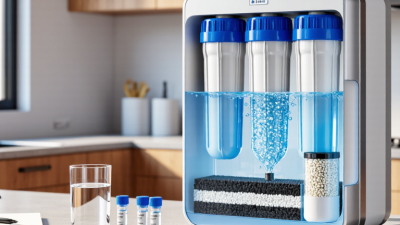
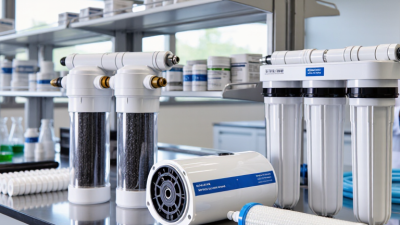
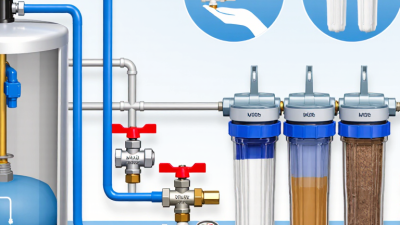
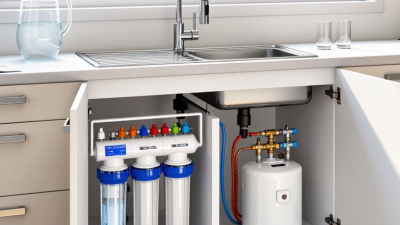
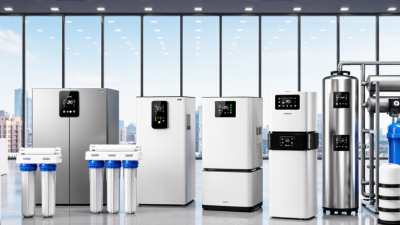
A lot of people don't think about this, but water scientist Dr. Peter H. Gleick once said, “Water is a human right.” And honestly, that idea really sticks with me. It means we've got to be thoughtful about how we treat our water—no shortcuts, just solid, evidence-based decisions. So when you're picking a filtration system, don't just grab the first one you see. Match it to what's actually in your water (get it tested!), how much water your household uses, and how much upkeep you're realistically willing to handle. Sure, a Whole Home Water Filter can knock out certain contaminants, but let's be real—there's no magic filter that removes everything. You've got to be smart about it. Look, when you're checking out a filter, don't just take the brochure at face value. You've gotta dig into the performance claims—make sure they're backed by independent certifications like NSF/ANSI standards, and actually read what they claim to reduce. Then think about the practical stuff: what does the replacement filter cost? How much space does it take up? And what about pressure loss? You might see a system that looks awesome in the catalog, but once you try to fit it under your kitchen sink or near the basement shutoff valve, it's a total pain. So yeah, the little details can make or break a product. Trust me, they matter a lot.
Look, there's no such thing as a perfect setup. Even the best gear needs a little TLC now and then, and water quality? Yeah, that can shift on you. So don't just buy into the hype—start with solid facts, compare your options, and pick a system that actually fits your home, not just a slick marketing pitch.
Read more »