Picking a reverse osmosis system in 2026? It’s not just about price tags, filter counts, or shiny product claims. Your water source matters. So does how many people you’ve got at home.
Dr. Joseph Cotruvo — a well-respected drinking-water treatment expert and former advisor to the U.S. EPA — put it plainly: “Treatment performance depends on the specific contaminant and the operating conditions.” That should honestly guide every purchase. A system built for municipal water might struggle with a private well. Iron, hardness, chlorine, sediment, and microbial risks can totally change the design. So, test your water first.
Then look for verified reduction claims from groups like NSF International or the Water Quality Association. Check things like membrane recovery rate, wastewater ratio, storage-tank capacity, pump quality, and how much replacement filters cost. A Whole House Reverse Osmosis System sounds like it covers everything, sure, but it can waste a lot of water and demand more maintenance planning. For drinking and cooking, point-of-use treatment may be the more practical route.
Real kitchens are where you see the difference. A family of four can drain a small tank while getting dinner ready. A weak faucet makes filling a bottle annoying. And a prefilter you forget about? That can shorten membrane life. These little details are easy to miss.
Not every expensive model is better. Not every low-cost system is unsafe. The uncomfortable truth is that installation quality often matters just as much as the equipment itself. Brands like Pentair and A. O. Smith are familiar names, but independent testing still deserves a look. Recheck your assumptions. Your best RO system should fit your water report, daily habits, available space, and how willing you are to maintain it.
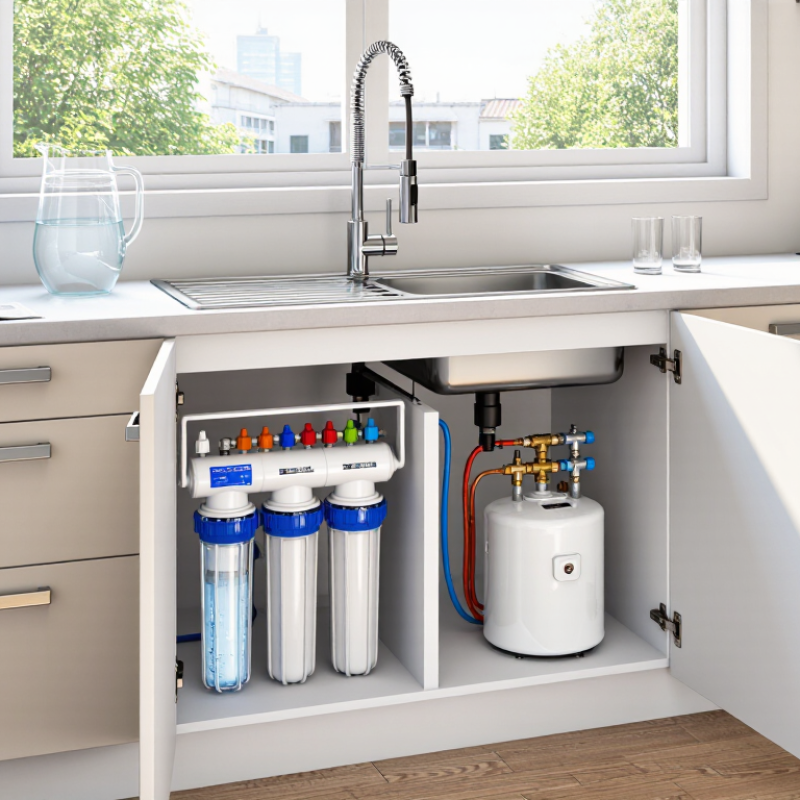
Choosing a reverse osmosis system in 2026 starts with your water quality, not a product advertisement. A clear glass can still contain invisible contaminants. Begin with a recent laboratory water test, preferably from an accredited testing service. Test for lead, nitrate, fluoride, arsenic, hardness, microbial contamination, and other locally relevant substances. Your local water report can help, but it may not reflect conditions inside your home.
Define the result you actually want. Do you need safer drinking water, improved taste, fewer scale deposits, or protection for a sensitive household member? These goals require different filtration decisions. Municipal water and private well water can behave very differently. Well water may need sediment or iron treatment before reverse osmosis. A point-of-use system may suit drinking water, while whole-house treatment could waste money and water.
Be specific.
Check the system’s tested contaminant claims against your laboratory results. Independent certification is useful, but certification does not mean every contaminant is removed. Confirm water pressure, daily capacity, storage volume, and wastewater performance. A common mistake is choosing high capacity while ignoring slow flow at the kitchen tap. Filter replacement also matters. I have seen households install advanced systems, then forget maintenance for months. That undermines reliability and may affect water quality. Ask who will test the water again after installation, because the first plan may not be the right one.
How to Choose a Reverse Osmosis System in 2026?
A Reverse Osmosis Water Filter System uses pressure to push water through a semi-permeable membrane. The membrane blocks many dissolved salts, metals, and other microscopic contaminants. Clean water passes through. Concentrated wastewater leaves through a separate drain line.
Most systems include sediment and carbon filters before the membrane. These stages protect the membrane from sand, chlorine, and unpleasant odors. A post-filter can improve taste before drinking. In real installations, water pressure matters more than many buyers expect. Low pressure can reduce flow and increase wastewater. Check your pressure, water report, and daily household demand before choosing a system.
Tips: Test the water first. Compare the membrane’s rated capacity with your actual use. Check replacement intervals, filter costs, storage-tank size, and independent safety certifications. Look beneath the sink, too. A cramped cabinet can make routine maintenance frustrating. Some systems waste more water than expected, and that detail deserves honest attention. I have seen homeowners focus on purity claims while ignoring slow dispensing and neglected filters. That is a practical mistake, not a minor inconvenience.
How to Choose a Reverse Osmosis System in 2026?
Choosing a Reverse Osmosis Drinking Water System starts with water quality and daily demand. An under-sink model suits one kitchen tap and saves counter space. Countertop units fit renters or small homes, but their tanks may be limited. Whole-house systems need more planning. They can reduce contaminants across showers and appliances, yet they usually cost more and waste more water.
Filtration stages matter more than impressive numbers. A sediment filter catches sand and rust. Carbon filters reduce chlorine, odors, and some organic chemicals. The reverse osmosis membrane performs the main dissolved-solid reduction. A final carbon filter can improve taste. Remineralization is optional, especially if water tastes flat. More stages are not automatically better.
Look for a certified membrane, clear replacement schedules, leak protection, and a reliable storage tank. A booster pump helps when household pressure is low. A TDS meter is useful, but it cannot identify every contaminant. Test your incoming water before buying. That small step prevents poor decisions.
I once focused too much on the number of stages. It sounded convincing. Later, maintenance seemed more important. Filters left unchanged can restrict flow and affect performance. Check replacement prices, installation space, wastewater ratios, and the drain connection. Keep records. Even a quiet system needs attention.
Compare common household RO configurations by filtration stage composition and added treatment features.
A typical RO system combines sediment filtration, activated carbon, and an RO membrane. Post-carbon filtration is commonly used for taste improvement, while remineralization and UV treatment are optional features selected according to water quality and household needs.
Stage layouts are generalized household configurations. Actual performance depends on feed-water quality, pressure, temperature, maintenance, and membrane condition. RO membranes commonly provide approximately 95–99% total dissolved solids rejection when operated within their specifications.
Match Capacity to Real Household Demand Capacity should match your real household demand, not an impressive box label. A system rated for 75 gallons per day may produce less under cold water, low pressure, or clogged filters. Measure your kitchen use for several days. Include drinking, cooking, and occasional bottle filling. A small storage tank can cause delays during busy mornings. Oversizing also wastes money and space. More capacity is not automatically better.
Evaluate Water Waste Carefully Water waste deserves careful attention. Check the recovery ratio, such as one gallon produced for every three gallons discharged. Efficient models may reduce this ratio, but performance depends on pressure and temperature. Ask for tested figures, not only advertising claims. When comparing Pentair Reverse Osmosis System Filters, review replacement intervals, contaminant testing, and the system’s actual reject-water rate. Keep a bucket under the drain briefly. It can reveal waste more clearly than a specification sheet.
Consider Energy Use and Operating Conditions Energy use is usually modest, yet powered pumps change the calculation. Check the pump’s wattage, operating hours, and standby consumption. A pressure gauge helps identify poor supply conditions before buying extra equipment. I once estimated filter life from household size alone, and the estimate was wrong because cooking increased demand. That mistake matters. Record water pressure, daily usage, and filter changes for a month. Then reassess the system’s capacity and operating cost.
Evaluate Installation Needs, Maintenance, and Replacement Costs
Installation requirements should guide your choice before daily water quality does. Check the feed-water pressure, available cabinet space, drain connection, and electrical needs. A narrow cabinet may not fit a storage tank comfortably. Measure it twice. If pressure is low, the system may need a booster pump, increasing energy use and service costs. A qualified plumber should inspect connections, especially in older homes or rented properties. Local water reports can reveal hardness, chlorine, sediment, or contaminants that affect equipment selection.
Maintenance costs deserve equal attention. Most systems need sediment and carbon filters replaced every six to twelve months. The membrane often lasts two to five years, depending on water quality and usage. Replacement intervals are not promises. Heavy use can shorten them. Choose a design with accessible filter housings and clearly documented parts. Keep a simple service record with installation dates, filter changes, leaks, and taste changes. Small leaks become expensive when ignored.
Consider the full replacement budget, not only the purchase price. Include filters, membrane cartridges, sanitizing supplies, professional labor, and possible faucet or tank repairs. Compare waste-water performance, but do not trust impressive numbers without testing methods. An inexpensive system can cost more over five years if parts are proprietary or difficult to find. Ask for written specifications and realistic service pricing. Water quality can improve, yet maintenance still depends on the homeowner. That part is easy to underestimate.
Choosing a Reverse Osmosis Water Filtration System in 2026 requires more than comparing TDS numbers. A low reading does not prove safe water. Check whether the complete system, not only its membrane, carries recognized certification. Look for current NSF/ANSI claims, test scope, and an accessible certificate record. The scope matters. A certificate for material safety may not cover contaminant reduction.
Ask for documentation before installation. It should identify tested contaminants, flow conditions, replacement intervals, and manufacturing controls. Confirm that plumbing components meet applicable local safety rules. Also inspect the air gap, shutoff valve, drain connection, and storage tank. Small faults can create leaks or stagnant water. Keep the manual nearby. It helps service workers trace changes over time.
Long-term value includes filter prices, water waste, electricity use, pressure needs, and repair access. Measure household demand, then compare rated capacity with real use. Ratings can look optimistic. I once focused too heavily on purchase price and overlooked replacement availability; that was a costly mistake. Now I check service dates and keep a simple log of taste, flow, and filter changes. A certified, maintainable, and honestly documented system usually deserves more trust than a cheaper unit with vague promises.
| Decision Area | Verified Standard or Benchmark | What It Confirms | What to Check Before Purchase | Priority |
|---|---|---|---|---|
| Reverse osmosis performance | NSF/ANSI 58 certification for the complete RO system | The system has been evaluated against recognized requirements for RO materials, construction, performance, and selected contaminant-reduction claims. | Confirm that the exact model is certified and that the certification covers the contaminants relevant to your water report. | Essential |
| Contaminant-specific claims | The certification listing must identify each claimed contaminant or reduction category. | A general RO claim does not automatically prove reduction of every contaminant. | Match the product claim with your laboratory or municipal water-quality report, such as lead, nitrate, arsenic, fluoride, or total dissolved solids. | Essential |
| Pre-filtration | NSF/ANSI 42 is commonly used for aesthetic effects such as chlorine, taste, and odor; exact claims must be verified. | Pre-filters can protect the RO membrane from chlorine, sediment, and other substances that may affect operation. | Check the sediment and carbon-filter configuration, replacement instructions, and the certified reduction claims. | High |
| Health-effect claims | NSF/ANSI 53 applies to specific health-related contaminant-reduction claims when listed for the product. | The product has been assessed for the particular health contaminant claim, not for every possible health contaminant. | Look for the exact contaminant name, test basis, and certified reduction percentage rather than relying on general marketing language. | Essential |
| Emerging contaminants | NSF/ANSI 401 covers specific emerging-contaminant reduction claims when those claims are listed in the certification record. | The system may be evaluated for selected pharmaceuticals, personal-care compounds, or other emerging contaminants. | Verify the exact substances included in the claim; the standard does not mean that all emerging contaminants are removed. | High |
| Material safety | NSF/ANSI/CAN 372 addresses lead content in drinking-water system components. | Materials are evaluated against lead-content requirements; this is different from proving lead removal from water. | Confirm both material compliance and a separate certified lead-reduction claim if lead is a concern. | Essential |
| Water efficiency | Compare the product’s tested product-water-to-reject-water ratio under stated pressure, temperature, and feed-water conditions. | A higher recovery rate generally means less water is sent to drain, but actual performance varies with installation conditions. | Request the efficiency rating, daily production rating, operating pressure, and test conditions. Do not compare ratings measured under different conditions. | High |
| Electrical and installation safety | For powered systems, verify applicable electrical safety certification and local plumbing requirements. | The installation is better aligned with electrical, leak-prevention, grounding, and backflow-control expectations. | Check power requirements, air-gap or drain connection requirements, automatic shutoff design, leak protection, and installation instructions. | Essential |
| Maintenance schedule | Replacement timing must follow the system’s instructions and should be adjusted for water quality and usage. | Regular filter and membrane replacement helps preserve water quality, flow, and certified performance. | Budget for routine pre-filter changes, periodic post-filter changes, membrane replacement, sanitation, and leak inspections. Typical intervals vary widely. | High |
| Long-term value | Use total cost of ownership rather than purchase price alone. | A lower-cost system may become more expensive if replacement parts, installation, water waste, or servicing costs are higher. | Calculate: purchase price + installation + replacement filters + membrane replacements + estimated water and service costs over the planned ownership period. | Important |
Note: Certification applies to the specific model, configuration, and listed claims. Always verify the current certification record and compare it with an up-to-date water-quality report.
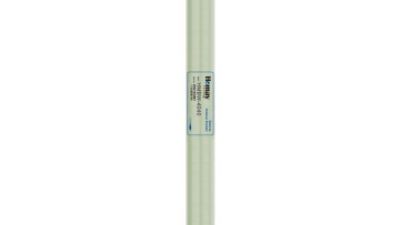
China 4040 and 8040 reverse osmosis membranes are available in BW, LP, ULP, and FR configurations to meet different water treatment requirements. BW membranes are developed for brackish water desalination, offering strong salt rejection and stable performance in municipal, commercial, and industrial systems. LP and ULP membranes are optimized for low-salinity water and can operate at reduced pressure, helping lower energy consumption while maintaining reliable permeate quality. The 4040 size is suitable for compact and medium-capacity equipment, while the 8040 format supports larger installations and higher water production.
For wastewater reuse and challenging feedwater conditions, FR membranes incorporate advanced fouling-resistant technology to help control contaminant buildup and maintain consistent operation. These membrane elements combine high rejection rates, strong permeate flux, low operating energy, and dependable service life. They can be applied in electronics manufacturing, pharmaceutical production, food processing, petrochemical operations, industrial wastewater recycling, and general water purification. As a China-based factory solution, the product range supports customized system selection according to feedwater salinity, pressure limitations, capacity targets, and fouling risks, with standard 4040 and 8040 dimensions for convenient equipment integration.
Water pressure pushes water through a semi-permeable membrane. The membrane reduces many dissolved salts, metals, and microscopic contaminants. Cleaner water enters the storage tank. Concentrated wastewater leaves through a separate drain line.
A sediment filter catches sand, rust, and visible particles. Carbon filters reduce chlorine, odors, and some organic chemicals. These stages protect the membrane. A final carbon filter may improve taste.
Yes. A water test shows which contaminants require attention. It also helps you avoid buying unnecessary filtration stages. A TDS meter is useful, but it cannot identify every contaminant. More information helps, though tests are not perfect.
Low pressure can slow dispensing and increase wastewater. A booster pump may help in homes with weak pressure. Check pressure before installation. Pressure changes everything.
An under-sink system serves one kitchen tap and saves counter space. A countertop unit suits renters and compact kitchens. Its storage tank may be small. Whole-house systems require more space, planning, and expense.
No. A sediment filter, carbon filters, and membrane may already meet your needs. Extra stages can increase cost and maintenance. More stages? Not always. Choose based on water quality, taste, and household demand.
Check rated capacity, daily water use, tank size, replacement intervals, and filter prices. Measure the cabinet beneath your sink. Confirm the drain connection and leak protection. A cramped cabinet can make simple maintenance frustrating.
Compare replacement costs, water waste, electricity use, pressure needs, and repair access. Review independent safety certification for the complete system. Confirm its testing scope and available documentation. A cheap purchase can become expensive later. I learned that the hard way.
Choosing the right Reverse Osmosis System in 2026 begins with understanding your water quality and treatment goals. Test for common concerns such as sediment, chlorine, dissolved solids, metals, or microbial risks, then select a system designed to address those needs. Learn how reverse osmosis works and compare system types, filtration stages, storage capacity, flow rate, and useful features. Consider whether you need a point-of-use or whole-home solution, depending on your household’s water consumption and installation plans.
A practical evaluation should also include water waste, energy requirements, maintenance procedures, and replacement filter costs. Check whether professional installation is necessary and confirm that replacement components are easy to obtain. Certifications and recognized safety standards can help verify performance and material safety. By comparing the complete ownership cost, expected lifespan, efficiency, and maintenance demands, you can choose a reliable system that provides suitable water quality and long-term value.