Leave Your Message
0%

You know, just because water looks clean doesn't mean it's completely free of nasty stuff. A 2023 study from the U.S. Geological Survey actually estimated that nearly 45% of tap water samples across the country might contain at least one PFAS chemical. But here's the thing—that doesn't mean every household needs to rush out and buy the same fancy filter. What it does mean is that being informed about your water quality really matters, so you can decide what works best for you.

So, activated carbon water filters can help get rid of certain stuff – like the chemicals that make water taste or smell funny. But how well they work really depends on the filter you've got, what contaminants are in your water, and whether you remember to swap out the cartridge on time. Dr. Shane Snyder, who knows a thing or two about water treatment, makes a good point: you should pick a treatment based on what's actually in your water, not just on fancy product claims. That's solid advice, honestly. Though it's all too easy to forget that when you're staring at all those slick product pages and trying to decide which one looks best.

So, you're hunting for a water filter, huh? You've probably come across a ton of options. This guide breaks down the top 7 activated carbon filters for 2026, looking at their filtration claims, certifications, capacity, and how much you'll shell out for replacements. But here's the thing: the EPA wants you to be a bit skeptical—don't just trust the marketing, actually check which contaminants a device is certified to reduce. You'll see terms like NSF/ANSI 42, which covers stuff like taste and odor (the aesthetic stuff), and NSF/ANSI 53, which tackles more serious health-related contaminants. But here's the catch: just because a filter has a certification doesn't mean it magically removes everything. I've seen people assume that, and it's a mistake. So, read the specs carefully before you drop your cash. You know, even a really good activated carbon water filter system won't do you any favors if it doesn't match your local water or if you skip the regular maintenance. Like, if you forget to swap out the cartridge on time, that purchase can turn into a total waste. So before you hand over your cash, grab your water report, double-check the specific model's certification listing, and make sure it's actually certified for what you've got coming out of your tap. So, these seven picks? They're just a starting point, honestly — not a substitute for actual testing, you know?
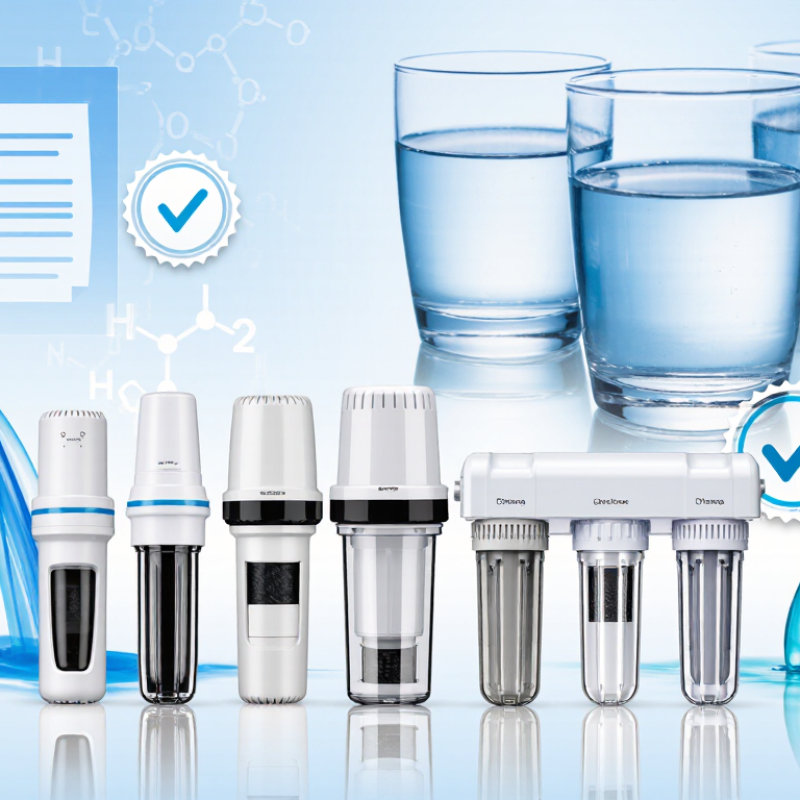
7 Best Activated Carbon Water Filters to Buy in 2026?

What Activated Carbon Water Filters Are and How They Work

Activated carbon filters use porous carbon to capture certain substances as water passes through. This process is called adsorption: compounds cling to the carbon’s surface rather than being strained through a simple mesh. The pores provide a large contact area, though they are too small to see. Depending on the filter design and its tested performance, activated carbon may reduce chlorine taste and odor, and some organic compounds. It does not remove every contaminant. That distinction is easy to miss.

Filters may contain loose carbon granules or compressed carbon blocks. Water needs enough contact with the carbon for effective treatment, so a faster flow is not always better. Performance also changes as a cartridge fills with captured material. Check its replacement schedule and look for independent certification that names the specific contaminants reduced. If your water has a known safety issue, use test results and local health guidance to choose treatment. Carbon alone may not be appropriate. I’d avoid assuming that clear, pleasant-tasting water is automatically safe.

Tips: Run water as directed after installing a cartridge, and replace it on schedule. Keep the housing clean. A small log of installation dates helps, especially when life gets busy.

Which Contaminants Activated Carbon Can and Cannot Reduce

Activated carbon works by trapping certain dissolved chemicals on a porous surface. It can reduce chlorine taste and odor, and some cartridges are tested for specific volatile organic compounds, pesticides, or other contaminants. The claim matters. NSF/ANSI 42 covers aesthetic effects such as taste and odor, while NSF/ANSI 53 covers specific health-related reduction claims. An Activated Carbon Water Filter Cartridge should be verified against the exact contaminant you want to reduce; a general certification does not mean it removes everything.

PFAS illustrate why details count. The US Environmental Protection Agency’s 2024 drinking-water rule sets limits of 4 nanograms per liter for PFOA and PFOS. Granular activated carbon can reduce these compounds under suitable conditions, but results depend on cartridge design, water chemistry, and replacement timing. A filter that is overdue may perform less well. Small details matter.

Carbon generally does not remove nitrate, dissolved salts, or water hardness, and ordinary carbon cartridges are not reliable barriers to bacteria or viruses. If your concern is lead or another regulated contaminant, check for a product’s specific, independently verified reduction claim, such as one tested under NSF/ANSI 53. I’d also compare the claim with a recent water-quality report. That extra check can feel fussy, but it is safer than guessing from a filter’s label.

Key Factors for Choosing a Water Filter in 2026

Choosing a water filter in 2026 starts with identifying what is actually in your water. Check your local water quality report, and consider a certified lab test if your home has older plumbing or unusual taste and odor. A filter’s claims should match your specific concern, not just promise “cleaner” water. Look for independent certification against the relevant contaminants; NSF/ANSI standards cover different performance claims, so read the details rather than relying on a logo alone. Details matter.

An Activated Carbon Water Filter can reduce chlorine taste and odor, and some models are certified to reduce particular contaminants such as lead. But carbon filtration does not remove everything: it may not address dissolved salts, all microbes, or every chemical. Compare the filter’s rated capacity and flow rate with your household’s daily use. A slow faucet or frequent cartridge changes can become frustrating. Check replacement costs, availability, installation requirements, and whether the unit fits beneath your sink or on your countertop. I would not assume a more expensive filter is automatically better. Match its verified performance to your water test, and replace cartridges on schedule; an overdue filter may perform less reliably.

Seven Activated Carbon Water Filters Compared by Type and Use

A Carbon Activated Water Filter can improve taste by reducing chlorine and some organic compounds, but its performance depends on the specific cartridge. A pitcher suits renters or one person, while a faucet-mounted unit provides water directly at the sink. Both are easy to install. Check the replacement schedule.

Under-sink filters keep counters clear and work well for regular drinking and cooking. Countertop direct-connect models are useful when plumbing changes are inconvenient. Gravity-fed countertop filters need no connection, though they take up space and refill time. Refrigerator inline filters mainly serve chilled drinking water and ice. Small, but handy.

Whole-house carbon systems treat water at several taps, but they require more space and careful sizing. That makes seven distinct options for different routines. Look for independent certification that names the contaminant tested, not just a broad “carbon” claim. Carbon does not remove every contaminant. A missed cartridge change can also reduce performance, so check dates and keep the model’s instructions nearby.

How to Match a Filter to Your Water Source and Household

Choosing an Activated Carbon Water Filtration System starts with identifying what is in your water. Municipal water may have a noticeable chlorine taste, while private wells can contain sediment or other contaminants that need testing. Carbon can reduce chlorine, odors, and certain chemicals, but performance depends on the filter media and its independent certification. It does not reliably remove every contaminant. Check your local water report or arrange a suitable test before comparing products.

Tips: Match the filter’s certified claims to your test results. Check the replacement schedule, too. A clogged cartridge may slow the flow and reduce performance.

Household habits matter as much as the water source. A faucet-mounted unit may suit a renter who wants drinking water for one or two people. A countertop or under-sink system may be more practical for frequent cooking, but check installation needs and available space. Measure the cabinet before buying; pipes and cleaning supplies can make it tighter than it looks. Consider the cost and availability of replacement cartridges, not just the initial price. I would not choose by taste alone: clear, pleasant water is not proof that every concern has been addressed.

Installation, Cartridge Replacement, and Ongoing Costs

For an under-sink activated-carbon filter, installation usually means checking cabinet space, the cold-water line, and whether a separate faucet is needed. A handy homeowner may manage a compatible kit, but cramped plumbing or an old shutoff valve can turn a quick job into a leak. Ask for a written labor quote before buying. The U.S. EPA’s 2023 Drinking Water Infrastructure Needs Survey estimated $625 billion in public water-system investment over 20 years. That figure is not a home-filter price; it is a reminder that a countertop cartridge cannot repair aging pipes upstream.

Ongoing costs depend on the cartridge’s rated capacity and your household’s water use. Compare the replacement price and schedule, then calculate annual cost; a low-priced unit can become expensive if its cartridges need frequent changes. Follow the manual, and replace cartridges on schedule rather than waiting for taste changes. The CDC warns that poorly maintained filters may allow germs to grow. Check that performance claims are independently certified: NSF/ANSI 42 covers aesthetic effects, while NSF/ANSI 53 addresses specific health-related contaminants. Certification applies only to listed claims. One detail is easy to miss: activated carbon does not remove every contaminant, so match the certified claim to a current water-quality concern. Install costs and replacement intervals vary; budget conservatively, then revisit the plan after a few months.

A Practical Guide to Pleated Filter Cartridges for Commercial and Municipal Applications

For commercial and municipal operators, a pleated filter cartridge is a practical choice when consistent filtration, manageable maintenance, and reliable flow are priorities. The U.S. Environmental Protection Agency’s 2023 Drinking Water Infrastructure Needs Survey and Assessment estimates that $625 billion will be needed over 20 years to maintain and improve drinking water infrastructure. While filter cartridges are only one component of a treatment system, selecting durable, serviceable components can support routine operations and maintenance planning.

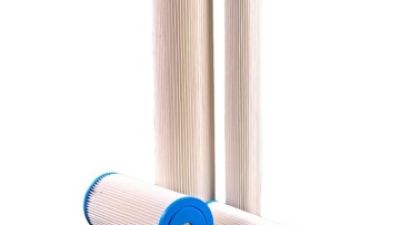
Standard pleated cartridges made with polyester media offer a large filtration area in a compact form, helping achieve efficient particle capture while keeping pressure drop low when the cartridge is correctly selected and maintained. Their extended service life can reduce replacement frequency, although actual performance depends on water quality, flow rate, contaminant load, and the specified micron rating. Before installation, confirm that the cartridge’s dimensions, end connections, media, and operating limits match the housing and process requirements. Factory-produced cartridges are easy to install and suitable for a wide range of commercial and municipal filtration applications; review technical specifications and validate performance for the intended use.

FAQS

How do activated carbon filters work?

Water passes through porous carbon. Certain compounds cling to its surface through adsorption. The pores are tiny.

What can activated carbon filters reduce?

Depending on their design and tested performance, they may reduce chlorine taste and odor, plus some organic compounds. They do not remove everything.

Can a carbon filter reduce lead?

Some models are independently certified to reduce lead. Check that the certification names lead specifically; general claims are not enough.

How should I choose a filter?

Check your water report or arrange a suitable test. Match the filter’s certified claims to the contaminants you want to address. Details matter.

Does the right filter depend on my water source?

Yes. Municipal water may have a chlorine taste, while private wells can contain sediment or other contaminants. Test well water before choosing treatment.

Does a faster flow mean better filtration?

Not necessarily. Water needs enough contact with the carbon, and a high flow may reduce that contact. Compare rated flow with daily household use.

When should I replace a cartridge?

Follow its replacement schedule. Captured material can build up, slowing flow and making performance less reliable. A small date log helps.

Which filter style suits my household?

A faucet-mounted unit may suit a renter or a small household. For frequent cooking, consider countertop or under-sink space, installation, and cartridge costs. Measure the cabinet first.

Is clear, pleasant-tasting water proof that it is safe?

No. I might still trust taste too much. That deserves a second thought. Use test results to check specific concerns.

Conclusion

This guide explains what an Activated Carbon Water Filter is and how porous carbon can capture or reduce certain unwanted substances as water passes through it. It also clarifies that performance varies: activated carbon may improve taste and odor and reduce some contaminants, but it does not remove every possible impurity. Choosing a filter in 2026 means considering the contaminants of concern, the filter’s verified capabilities, water flow, capacity, and whether it suits your household’s needs.

The article compares seven filter types and uses, from simple point-of-use options to systems designed for broader household coverage. It offers practical guidance for matching a filter to municipal or well water and to the number of people in a home. Installation requirements, cartridge replacement intervals, and ongoing costs are also covered, helping readers weigh convenience and maintenance alongside filtration performance before deciding which option is appropriate for their water source.
Ethan

Ethan

Ethan is a dedicated marketing professional specializing in advanced filtration solutions, with a profound understanding of the company's core offerings. Passionate about the industry, he plays a pivotal role in shaping the narrative surrounding high-flow filter cartridges, reverse osmosis......
Previous 2026 Top Best Whole House Filter Which Is Best?