When you’re picking the best Whole House Filter for 2026, it’s not really about who has the biggest tank or the priciest brand name. Honestly? What matters is matching the filter’s performance to whatever’s actually going on with your water. Your tap water might have chlorine, sediment, iron, that rotten-egg sulfur smell, or even contaminants tied to health concerns. And here’s the thing—each one of those problems usually calls for a different kind of treatment.
Rick Andrew, a water-treatment specialist with NSF International, put it pretty simply: “The first step in choosing a water treatment system is to test your water.” And honestly? That advice still holds up. A lab water report can tell you things a clear-looking glass of water never will—and it might save you from an expensive mistake. A carbon whole-house filter can help with taste and odor, sure, but it won’t necessarily remove every contaminant. So yeah, certification matters. So when you’re checking out a water filter or treatment system, keep an eye out for a few key things. First, look for the relevant NSF/ANSI standards—that’s a good sign. Also, see if their contaminant claims are actually verified, not just tossed around. And honestly? The company itself should be pretty transparent about who they are and what they do. Those three things can tell you a lot.
So, this guide is all about comparing the top 2026 systems using real, measurable stuff. We’re looking at things like filtration media, flow rate, pressure loss, housing size, how much installation work is involved, replacement costs, and maintenance schedules. A family that needs eight gallons per minute? Yeah, they’ll need different equipment than someone in a tiny apartment. And well water? That brings its own set of headaches compared to treated city water. Bottom line: the right pick should come down to evidence, not hype.
Look, there's no such thing as a perfect system. Some filters cut down on pressure. Others make you change out the media all the time. And a few? They look impressive on paper but give you pretty hazy performance numbers — that's a red flag. So we'll point out those weak spots, talk about where each model actually shines, and help you figure out which Best Whole House Filter might fit your home, your budget, and your water. Just remember: real-world results can vary. Your water test should really get the final say.
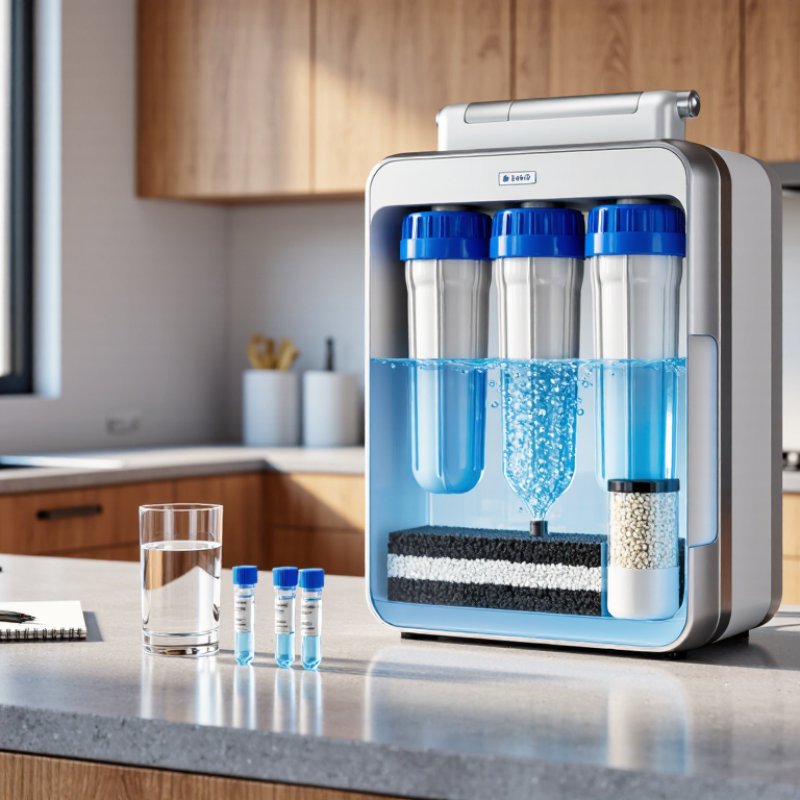
A whole house water filter is a point-of-entry system installed on the main water line. It treats water before the water reaches your kitchen, bathroom, laundry room, and outdoor taps. Unlike a small faucet filter, it can reduce unwanted particles throughout the home. Depending on its filter media, it may reduce sediment, chlorine taste, odors, or certain contaminants.
Picture the difference after installation: less grit may collect in a showerhead, and chlorinated water may smell milder during a hot shower. However, performance depends on water quality, flow rate, filter size, and maintenance. A carbon filter may help with chlorine, while a sediment cartridge targets sand and rust. Neither option automatically removes every contaminant. That assumption causes trouble.
Testing matters. A certified laboratory report can show whether your water contains lead, bacteria, nitrates, or other concerns. Municipal water and private well water also require different decisions. A whole house filter is not always a water softener, and it is not necessarily a disinfection system. Homeowners should check replacement intervals, pressure loss, shutoff access, and installation space. Filters can become less effective when neglected. That part is easy to forget. Reliable selection means matching the system to verified water conditions, not choosing the largest housing or the most impressive claim.
Which Contaminants Should a Whole House Filter Remove?
A whole house filter should match the contaminants found in your water, not a generic checklist. Start with a certified laboratory test or a recent municipal water report. This step matters. Sediment, rust, and sand can clog fixtures and leave orange marks in sinks. A sediment filter can reduce these particles before water reaches every tap. Activated carbon may reduce chlorine, unpleasant tastes, odors, and some volatile organic compounds. However, carbon does not reliably remove every chemical.
Lead, mercury, and other metals require a system specifically tested for those contaminants. Look for independent certification and verified reduction claims. Some advanced media can reduce PFAS, but performance depends on contact time, water chemistry, and cartridge replacement. Hardness is different. Calcium and magnesium create scale, yet standard carbon filters usually do not remove them. A water softener or another treatment method may be needed.
Microorganisms require careful attention. A basic whole house filter is not automatically a disinfection system. Depending on the source, treatment may include ultraviolet light or certified chemical disinfection equipment. Private well owners should test for bacteria, nitrate, iron, manganese, and sulfur-related odors. I have seen homeowners choose oversized systems without checking flow rate or maintenance needs. That choice can reduce water pressure and shorten filter life. Test, verify, and inspect the cartridge before assuming the water is fully protected.
2026 Top Best Whole House Filter Which Is Best?
Whole-house filters are not one universal solution. The right type depends on your water report, plumbing, and daily use. Sediment filters trap sand, rust, and visible particles. They work well near a private well or older supply line. However, they do not remove dissolved chemicals or hardness.
Activated carbon filters can reduce chlorine, unpleasant tastes, and many organic compounds. Catalytic carbon is more effective when chlorine-related odors are strong. Iron and manganese filters target orange staining, metallic taste, and dark deposits. Some systems need air injection or specialized media. Ultraviolet treatment can control microorganisms, but it needs clear water and regular lamp maintenance. Water softeners reduce calcium and magnesium, yet they are not technically filters. Reverse osmosis is usually installed at one faucet because whole-house use can waste water and require careful design.
Tips: Test your water before buying equipment. Check flow rate, filter capacity, replacement cost, and installation space. A clear housing can reveal heavy sediment buildup. Replace cartridges on schedule, even when water looks clean. That part is easy to forget. Do not rely on a single laboratory result forever; well conditions and plumbing can change. I have seen homeowners choose oversized systems, expecting better performance, but poor maintenance still caused pressure loss. Professional testing is especially important when water has persistent odor, staining, or suspected microbial contamination.
2026 Top Best Whole House Filter Which Is Best?
Choosing a Whole House Well Water Filter System requires more than checking its advertised micron rating. Start with a recent water test. Iron, sediment, hardness, sulfur, and bacteria each require different treatment methods. A filter designed for clear city water may struggle with a private well.
Filter capacity shows how much contaminant the media can hold before replacement. Look for capacity data based on your actual water chemistry, not only general laboratory conditions. A high-capacity cartridge may last longer, but it can become expensive if your well produces heavy sediment. Keep a replacement schedule.
Flow rate matters at the shower, kitchen sink, and washing machine. Measure peak household demand, then choose a system with enough gallons per minute without excessive pressure loss. A pressure gauge before and after the filter can reveal clogging early. Small details help.
Performance claims should include testing methods, reduction percentages, and certification from recognized independent organizations. Check whether results cover the exact contaminant you need removed. Do not assume “multi-stage” means better. Sometimes, it only means more maintenance. I have seen homeowners focus on clean-looking water while ignoring laboratory results. That approach is risky. No test is perfect. Recheck well water after installation, especially when taste, odor, or pressure changes.
How to evaluate filter capacity, flow rate, and performance
Larger 20-inch cartridges generally provide higher flow and longer service life than standard 10-inch cartridges. Sediment filters are commonly selected by nominal micron rating, while carbon filters require a contaminant-specific reduction claim and sufficient contact time. The values shown are representative residential planning examples, not universal product ratings.
Actual results depend on water quality, pressure, temperature, cartridge design, replacement schedule, and the applicable NSF/ANSI test standard. Always verify the certified flow rate, capacity, pressure drop, and contaminant-reduction claim before purchasing.
Choosing a 2026 whole-house filter requires more than comparing cartridge size or online ratings. Start with a certified water test. It reveals chlorine, sediment, hardness, metals, and possible microbial concerns. Each contaminant needs a different treatment method. A carbon filter may improve taste, but it will not soften hard water. A Whole House Water Filter And Softener can address both concerns when properly matched to household conditions.
Flow rate matters every day. A filter that restricts water can make showers weak when two taps run together. Check the system’s rated gallons per minute, pressure loss, replacement schedule, and bypass valve. Look for independently verified performance claims, clear maintenance instructions, and materials suitable for drinking water. Professional sizing is valuable for large homes, older plumbing, or private wells. Still, even experts can miss unusual seasonal changes.
Tips: Test your water annually, especially after plumbing work or changes in well conditions. Measure your peak household demand before choosing a system. Keep replacement dates visible near the equipment. Do not select a filter only because its housing looks substantial. I have seen oversized units create false confidence while neglecting media replacement. That is an easy mistake. Reliable filtration depends on testing, correct sizing, and consistent maintenance.
Choosing a whole-house filter starts with the water report, not a glossy specification sheet.
Local testing remains essential because sediment, chlorine, metals, and microbes require different controls. A Reverse Osmosis Water Filter Whole House system may reduce dissolved contaminants, but it can also lower flow and create more wastewater.
Installation affects performance immediately.
The housing should stay accessible, upright, and protected from freezing. A pressure gauge can reveal a blocked cartridge before showers become weak.
The U.S. CDC advises following the manufacturer’s replacement schedule and maintaining filters to prevent performance loss and microbial growth.
That advice is practical, not decorative. A poorly sealed bypass can send untreated water through every tap.
Replacement timing depends on water quality and household demand.
Heavy sediment may clog a cartridge within weeks, even when the label suggests several months. NSF/ANSI standards verify specific reduction claims, but certification does not mean one filter removes everything. Check the tested contaminant, rated capacity, and flow conditions.
The U.S. EPA also recommends using current water-quality information when evaluating treatment needs.
A logbook helps: record installation dates, pressure readings, odor changes, and cartridge condition.
Still, logs are imperfect. Taste can improve while an untested contaminant remains. That is why periodic laboratory testing deserves a place beside routine maintenance.
How to Determine the Best Whole House Filter for Your Home
Choosing the best Whole House Water Filter starts with identifying what is actually in your water. A laboratory test can reveal sediment, chlorine, hardness, iron, and other concerns. Do not rely only on cloudy water or unusual taste. Some contaminants remain invisible. Your local water report can provide useful background, but private wells usually need independent testing.
Match the filter to your household’s flow rate and plumbing size. A system that removes many particles may still perform poorly if it reduces shower pressure. Check the gallons-per-minute rating, replacement schedule, and filter capacity. Sediment cartridges can protect appliances, while activated carbon may improve chlorine taste and odor. Hard water requires different treatment, such as a properly sized softening system. One filter rarely solves every problem.
I have seen homeowners choose large housings without checking maintenance costs. That choice looks impressive, but it can become inconvenient. Keep enough clearance for cartridge changes, and inspect leaks after installation. Look for independently verified performance claims, clear test data, and installation guidance from qualified professionals. Certification matters, though I still question vague claims like “removes everything.” Water quality can change seasonally, especially with wells, so testing again later is sensible. The best system fits your water, budget, pressure needs, and willingness to maintain it.
| Filter Type | Typical Filtration or Treatment Range | Main Contaminants Addressed | Typical Flow Capacity | Replacement or Maintenance | Best Choice For | Important Limitations | Overall Suitability |
|---|---|---|---|---|---|---|---|
| Sediment Filter | Usually 5–50 microns, depending on the cartridge or media grade | Sand, silt, rust particles, pipe scale and visible suspended solids | Approximately 5–20 gallons per minute, depending on housing size and pressure loss | Replace when pressure drops or commonly every 3–12 months; high-sediment water may require more frequent changes | Homes with well water, rusty pipes or visible particles | Does not normally remove dissolved chemicals, hardness, bacteria or viruses | Best first-stage filter and prefilter |
| Granular Activated Carbon | Adsorption media; particle rating varies by design and is not equivalent to a fine sediment rating | Chlorine, taste, odor and some organic compounds | Approximately 4–12 gallons per minute for many residential systems | Media commonly lasts about 6–24 months, depending on water quality, usage and carbon volume | Municipal water with chlorine taste or odor | Performance depends strongly on contact time; it may not reliably reduce hardness, salts, nitrate or microorganisms | Good general-purpose drinking and bathing water improvement |
| Carbon Block Filter | Common nominal ratings range from about 0.5–5 microns | Chlorine, taste, odor, fine particles and selected contaminants when specifically certified | Approximately 3–10 gallons per minute, depending on cartridge size and rating | Often replaced every 6–12 months or when flow noticeably decreases | Homes needing stronger chlorine and taste reduction than basic sediment filtration | Higher filtration levels can reduce flow; certified contaminant claims must be checked individually | Strong option when matched with adequate flow capacity |
| Catalytic Carbon | Specialized carbon media; effective performance depends on media volume and contact time | Chloramine, chlorine and certain odor-causing organic compounds | Approximately 4–12 gallons per minute in residential applications | Media commonly replaced or re-bedded about every 1–3 years, subject to water use and test results | Municipal supplies using chloramine or homes with persistent disinfectant odor | Not a complete solution for hardness, dissolved minerals, nitrate or microbial contamination | Often better than standard carbon where chloramine is present |
| Iron and Manganese Filter | Media and treatment method vary according to iron form, manganese level and water chemistry | Iron staining, metallic taste and, with suitable media, manganese and hydrogen sulfide odor | Approximately 5–15 gallons per minute for many residential installations | May require periodic backwashing, air injection, oxidation or media replacement | Private wells with staining, metallic taste or rotten-egg odor | Water testing is essential; pH, dissolved oxygen and iron type affect performance | Best targeted solution for verified well-water problems |
| Water Softener | Ion exchange; capacity is measured in grains rather than microns | Calcium and magnesium hardness that cause scale and soap inefficiency | Approximately 8–20 gallons per minute, depending on system size and hardness load | Regenerates with salt or potassium chloride; requires regular brine maintenance | Homes with hard water, scale buildup or poor soap performance | It is a water conditioner, not a sediment or microbiological filter; it does not remove all contaminants | Best for hardness, usually paired with another filter |
| Ultraviolet Disinfection | Uses ultraviolet light rather than physical filtration; performance depends on dose and water clarity | Bacteria, viruses and other microorganisms when properly sized and maintained | Approximately 5–25 gallons per minute, depending on UV dose and system rating | Replace the UV lamp about annually and clean the quartz sleeve as required | Private wells with confirmed or potential microbiological contamination | Does not remove sediment, chemicals, hardness or metals; prefiltration is normally required | Best disinfection stage, not a standalone filter |
| Reverse Osmosis | Membrane filtration commonly around 0.0001 micron; normally installed at a point of use | Many dissolved salts, certain metals, fluoride, nitrate and other contaminants when properly specified | Usually produces less than 1 gallon per minute at the faucet and requires a storage tank | Prefilters commonly change every 6–12 months; membrane life often ranges from 2–5 years | Drinking and cooking water requiring advanced dissolved-contaminant reduction | Usually unsuitable as a whole-house system because of low flow, wastewater and higher operating complexity | Best used under the kitchen sink rather than for the entire house |
| How to determine the best whole-house filter: Test the water first, identify the specific contaminant, confirm the required household flow rate, compare certified performance claims, and select a system with an appropriate service capacity. A common configuration is a sediment prefilter followed by carbon treatment, with a softener, iron filter or UV unit added only when water testing shows a need. | |||||||
High-quality filter bags manufactured in China provide dependable solutions for demanding liquid filtration processes. Made from premium polypropylene (PP), polyester (PET), nylon, or PTFE media, these bags are available with nominal or absolute micron ratings to support different levels of particle removal. Their material options allow users to select suitable filtration performance according to fluid characteristics, operating conditions, and process requirements.
Available in five standard sizes, the bags can be equipped with collars made from stainless steel, PP, PET, or PTFE for secure installation and reliable sealing. Their strong chemical compatibility, together with resistance to changing temperatures and pressures, helps maintain stable performance in challenging environments. These features make them suitable for continuous or batch filtration systems where consistent flow and effective contaminant control are essential.
These filter bags serve a wide range of industries, including water treatment, chemical processing, mechanical manufacturing, food and beverage production, pharmaceutical operations, and microelectronics. Cost-effective manufacturing, flexible material selection, and dependable construction enable suppliers and factories to provide filtration solutions tailored to specific equipment and process needs. Whether used for general pre-filtration or more precise particle control, PP, PET, nylon, and PTFE bags offer practical options for diverse industrial applications.
It connects to the main water line.
A sediment cartridge can target sand, rust, and visible particles.
Yes. Use a qualified laboratory when possible.
Not usually. A standard filter does not automatically reduce hardness.
Flow rate determines how much water the system can provide.
Install it on the main incoming water line.
Follow the stated schedule, but inspect the cartridge condition too.
Check pressure readings and inspect seals, housings, and bypass valves.
Choosing the Best Whole House Filter in 2026 starts with understanding how it treats water throughout your home. Unlike a single-faucet device, a whole house system is installed at the main water line and can reduce sediment, chlorine, unpleasant odors, hardness-related particles, microorganisms, or other contaminants depending on its design. The right choice begins with testing your water and identifying which substances need to be removed.
A reliable evaluation should consider filtration technology, media quality, flow rate, pressure impact, capacity, and expected service life. Features such as durable housing, easy cartridge replacement, leak protection, clear maintenance indicators, and compatibility with your plumbing can improve long-term results. Installation and regular filter changes are equally important because neglected systems may restrict water flow or deliver inconsistent performance. Ultimately, the best system for your home should match your water conditions, household size, daily demand, available installation space, and maintenance preferences while providing practical, dependable protection.