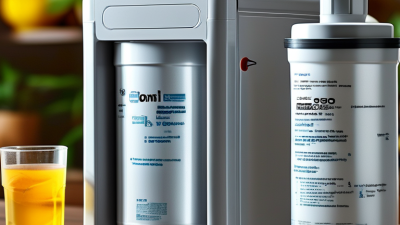
A House Water Filter is actually pretty essential if you wanna make sure your drinking water is clean and safe. I recently came across what Dr. Linda Carter from Pure Flow Systems said—she’s pretty respected in the field—she mentioned, ‘Quality water is just so important for our health and safety.’ And that really got me thinking about how much we tend to overlook our home water setups and how crucial it is to understand how these filters work and why they matter in our daily routines.
Honestly, lots of families end up just drinking bottled water without really knowing what’s in their tap water. But switching to a house water filter can totally change that. It’s a simple, practical fix — it can remove nasty contaminants, make the water taste way better, and honestly, it’s a smart move for your health. That said, not all filters are created equal. Some might need a lot of maintenance or frequent replacements, which can sneak up on you and add extra costs.
Looking into getting a house water filter isn’t just about convenience; it can actually save you money in the long run and keep you feeling healthier. Of course, it’s worth doing a bit of homework — reading reviews, chatting with experts — so you can pick a model that’s reliable and fits your needs. Bottom line—having a good water filter at home is a great step for your health, just make sure you choose the right one for the long haul.
What is a House Water Filter?
A house water filter is an essential system that improves drinking water quality in homes. It effectively reduces contaminants, such as chlorine, lead, and sediment. According to a report by the Water Quality Association, nearly 50% of households use some form of water filtration. This trend highlights a growing awareness of water quality and health.
These filters come in various types. Some are point-of-use systems, such as faucet filters, while others are whole-house setups. Whole-house filters can remove impurities from water that enters the home, ensuring cleaner water for bathing and cooking. A study from the CDC notes that reducing contaminants can prevent health issues linked to pollutants. However, not all water filters work the same way.
Installation and maintenance are key challenges. Many homeowners underestimate the upkeep required for optimal performance. Regular replacement of cartridges is vital to ensure that the filter remains effective. A survey shows that 30% of consumers neglect this maintenance. This oversight can lead to diminished water quality and safety.
The Importance of Water Filtration in Homes
Water is essential for our daily lives, yet many households overlook the quality of their tap water. A recent report by the Environmental Protection Agency (EPA) indicated that nearly 20% of U.S. households receive drinking water from systems that do not meet federal safety standards. This alarming statistic underscores the vital need for effective water filtration systems in homes. Filtration helps remove contaminants like lead, chlorine, and harmful bacteria, ensuring that what we drink is safe.
Investing in a house water filter can significantly improve water quality. Studies show that a good filtration system can reduce more than 90% of contaminants found in untreated water. It's not just about taste; it's about health. Families can protect themselves from potential illnesses caused by waterborne pathogens. In areas affected by industrial pollution, the need for filtration becomes even more critical.
For homeowners, selecting a filtration system can be daunting. It’s essential to consider local water quality reports. Familiarize yourself with contaminants specific to your region. Regular maintenance of your filtration system is crucial too. Neglecting this can lead to compromised water quality. Always replace filters as recommended. This simple step can enhance the performance and longevity of your system while ensuring your water remains safe.
What is a House Water Filter and How Does It Work?
| Filter Type |
Filtration Method |
Main Contaminants Removed |
Lifespan |
Estimated Cost (USD) |
| Activated Carbon Filter |
Adsorption |
Chlorine, VOCs, Odors |
6-12 months |
$20 - $50 |
| Reverse Osmosis System |
Membrane Filtration |
Lead, Nitrates, Fluoride |
2-5 years |
$150 - $500 |
| UV Water Purifier |
Ultraviolet Light |
Bacteria, Viruses |
1-2 years |
$75 - $300 |
| Whole House Filter |
Multi-stage Filtration |
Sediment, Chlorine, Heavy Metals |
5-10 years |
$500 - $2000 |
Types of House Water Filters Available
House water filters can be essential for ensuring high water quality in homes. Various types exist, allowing homeowners to choose according to their needs. The most common types include activated carbon filters, reverse osmosis systems, and UV disinfection units. Each type has unique benefits and drawbacks.
Activated carbon filters excel at removing chlorine and improving taste but may leave behind some contaminants. Reverse osmosis systems offer thorough purification but can waste water. UV systems kill bacteria but require a source of electricity. Understanding these differences is crucial for making an informed decision.
Choosing the right filter depends on your water source and quality. For well water, a Whole House Well Water Filter System might be necessary to address multiple contaminants. Regular maintenance and filter changes are vital.
Also, consider your household's daily water use. A filter that is too small may not keep up with demand. Testing your water can help identify specific contaminants, guiding your filter choice. Always keep in mind the cost of replacement filters over time. A well-informed choice ensures long-lasting benefits for your family’s health.
How House Water Filters Function Mechanically
House water filters serve a crucial role in ensuring the safety and quality of drinking water. Mechanically, they operate through a series of filtration processes designed to eliminate contaminants. Most filters utilize a multi-stage approach, incorporating sediment filters, activated carbon, and UV disinfection. Each stage plays a specific role in removing impurities, balancing mineral content, and neutralizing harmful pathogens.
The sediment filter captures larger particles like sand and dirt. Following this, activated carbon filters absorb chlorine, volatile organic compounds, and various chemicals that can negatively affect taste and health. Research indicates that activated carbon can reduce 95% of chlorine levels in water. The final stage, UV treatment, employs ultraviolet light to render bacteria and viruses harmless. According to a study by the Water Quality Association, house water filters can improve overall water quality, with many households reporting significant changes in taste and odor.
However, it is important to recognize the limitations of house water filters. Regular maintenance is crucial; filters require replacement based on usage and water quality. Neglecting this can lead to reduced effectiveness and even reintroduction of contaminants. The Whole House Water Filter And Softener system addresses these concerns by providing a continuous flow of treated water, while also softening hard water. Yet, these systems may not be suitable for all households due to initial installation costs and ongoing maintenance needs.
House Water Filter Performance Overview
Benefits of Installing a House Water Filter
Installing a house water filter provides significant advantages for homeowners. Clean water is essential for health and well-being. According to the Environmental Protection Agency (EPA), contaminated drinking water can lead to serious health issues. Statistics show that nearly 44% of U.S. water supplies contain some contaminants. Installing a filtration system greatly reduces the risk of waterborne diseases and improves the overall quality of water.
A house water filter removes impurities like chlorine, heavy metals, and sediments.
The World Health Organization (WHO) emphasizes the importance of access to clean water. A well-maintained filtration system can significantly lower levels of lead and other harmful substances. A report from the National Sanitation Foundation reveals that filtration can eliminate up to 99% of specific contaminants. This leads to better taste and safer water for cooking and drinking.
While filters offer numerous benefits, users must regularly check their systems.
Failing to change filters can lead to a buildup of contaminants, leading to potential issues. Maintaining a schedule for replacement is vital. Understanding your local water quality can guide you in choosing the right filtration system. Investing in a house water filter increases the safety of your household.
Common Contaminants Removed by Water Filters
Water filters play a crucial role in providing clean and safe drinking water. They effectively remove common contaminants found in household water supplies. Common issues include chlorine, sediment, and heavy metals. Chlorine is often added to municipal water to kill bacteria. However, it can leave an unpleasant taste and odor. A quality water filter can significantly improve the taste and quality of your water.
Heavy metals, like lead and mercury, can pose serious health risks. They often leach into water systems from aging pipes or industrial runoff. A Reverse Osmosis Water Filter Whole House system targets these contaminants, providing peace of mind for homeowners. Sediment particles can also make water appear dirty. These filters trap dirt and rust, ensuring clear water for your family.
Be attentive to your filter's maintenance. Regularly replace filter cartridges to keep them functioning effectively. Remember not all filters are the same. Some are better suited for specific contaminants. Conduct research to find the most effective option for your home. Choosing the right water filter can make a significant difference in your daily life. Consider the specific needs of your household and the quality of your local water supply before deciding.
Maintenance and Replacement of Water Filter Systems
Maintaining a house water filter is crucial for optimal performance. Many homeowners overlook this vital task. Regular maintenance ensures clean and safe drinking water. Neglecting filter changes can lead to clogged systems and reduced water quality. A typical recommendation is to replace filters every six months. However, the frequency may vary based on water usage and quality.
Cleaning the filter system is another essential step. It can help avoid buildup that affects functionality. Check for any visible signs of wear or damage during maintenance. While some filters can be cleaned, others need replacing when they show signs of deterioration. Always consult the instructions provided for your specific system to ensure proper care.
Tips: Monitor your water taste and clarity regularly. If there is any noticeable change, consider a filter check earlier than scheduled. Some systems come with indicators for replacement. Use them as a guide, but remain vigilant. Keep a schedule for maintenance based on your consumption patterns.
Exploring the Benefits and Features of the High Flow Pleated Filter Cartridge for 3M M740 Replacement
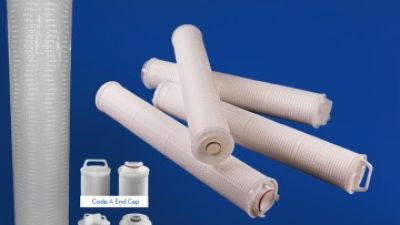
The high flow pleated filter cartridge represents a significant advancement in filtration technology, particularly as a replacement for existing filter systems like the M740 series. This innovative product features a robust internal support core designed to facilitate an outside-to-inside flow direction, which is crucial for maximizing efficiency in various applications. One of the standout benefits of this cartridge design is its pleated construction, which provides a greatly expanded surface area for filtration. This increase in filtration area enhances the cartridge's performance, enabling it to capture more contaminants and particles effectively.
Notably, this high flow pleated filter cartridge extends service intervals significantly, which is a critical factor in reducing operational downtime. Reports from the filtration industry indicate that systems utilizing advanced pleated designs can see service life extended by as much as 30% compared to conventional filters. This improvement directly translates into lower maintenance frequencies and reduced labor requirements for operators, making it an efficient option for environments where routine maintenance is a regular concern. Consequently, organizations can allocate their resources more effectively, enhancing overall operational productivity while ensuring that filtration standards are upheld.
The consideration of maintenance costs is vital in many industries, and the high flow pleated filter cartridge offers a pragmatic solution that aligns with these financial objectives. With the potential for lower total cost of ownership due to reduced replacement frequency and labor efforts, adopting such innovative filtration solutions becomes a calculated investment that pays dividends in efficiency and operational stability.
FAQS
: Water filtration is crucial to remove harmful contaminants. It ensures safe drinking water and protects family health.
Common contaminants include chlorine, sediment, and heavy metals like lead. Filters improve taste and overall water quality.
Filters use a multi-stage approach. They include sediment filters, activated carbon, and UV disinfection to eliminate impurities.
Neglecting maintenance can reduce filter effectiveness. This may lead to recontamination of water, posing health risks.
Replacement frequency depends on water quality and usage. Follow manufacturer recommendations to maintain optimal performance.
Yes, water filters can reduce unpleasant tastes and odors, significantly improving the flavor of drinking water.
Whole house filters provide continuous treated water. However, they may have higher installation costs and maintenance requirements.
Consider local water quality reports and specific contaminants in your area. Research different filters for effective options.
Sediment filters trap large particles like dirt and sand. They help ensure that water appears clean and clear.
Not always. Some contaminants require specific filters. A combination may be necessary for the best water purification.
Conclusion
A House Water Filter is a vital system designed to purify drinking water for residential use. It functions by removing various contaminants that can affect water quality, including chlorine, sediments, and heavy metals. Understanding the importance of water filtration in homes emphasizes the need for clean and safe drinking water, which can significantly impact health and well-being.
Various types of house water filters, such as activated carbon filters, reverse osmosis systems, and ultraviolet purifiers, are available to meet different filtration needs. These filters operate mechanically to trap impurities, ensuring that only clean water is delivered to taps. Installing a house water filter offers numerous benefits, including improved taste and odor of water, as well as enhanced protection against harmful substances. To maintain optimal performance, regular maintenance and timely replacement of filter systems are essential.