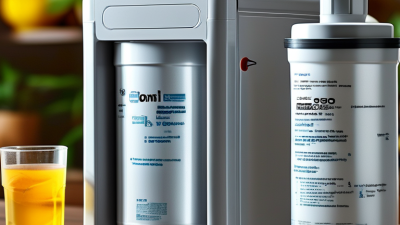
You know, when it comes to businesses, water quality isn’t something you can just overlook—I mean, it really matters. Having a good Reverse Osmosis System in place is pretty much essential if you want to stay on top of health and safety standards. According to the EPA, about 85% of water used in commercial settings can actually have contaminants in it, which can cause all sorts of costly problems down the line.
Thinking about investing in a Whole House Reverse Osmosis System? Honestly, it’s a smart move. It doesn’t just make the water taste better—it can also boost employee health, which is a pretty big deal. I read a study by the Water Quality Association that said businesses with reverse osmosis systems experience about 30% less downtime caused by water quality issues. Plus, they’re eco-friendly, using less energy compared to traditional water treatment methods. Pretty neat, right?
Now, I get it—some companies hold back because of the costs and the maintenance involved. But here’s the thing: regular upkeep is key to keeping these systems running smoothly. It’s really worth comparing the initial costs against the long-term savings you’ll reap. As industries keep growing, the need for clean water just keeps going up. So, honestly, a Reverse Osmosis System isn’t just a neat gadget anymore—it’s a vital part of doing business responsibly and sustainably.
Understanding Reverse Osmosis Systems for Businesses
Reverse osmosis systems are crucial for businesses that rely on clean water. These systems filter out impurities, ensuring water quality. Typically used in various industries, they are complex yet effective. Some drawbacks include maintenance needs and energy consumption. These factors should be considered carefully.
Understanding reverse osmosis systems can seem daunting. They use pressure to push water through a semi-permeable membrane. This process eliminates contaminants and yields purified water. The effectiveness often depends on the source water quality. Regular checks and maintenance of a Reverse Osmosis Water Filter System are essential. Improper care can diminish performance.
Businesses must weigh the benefits and challenges. Clean water can improve product quality. Yet, the initial investment and ongoing costs are significant. Some may find the adaptability of these systems less than ideal. Nonetheless, the long-term advantages often outweigh early hurdles. The decision to implement a reverse osmosis system is not straightforward but worth careful consideration.
Improved Water Quality and Safety for Employees and Customers
A Reverse Osmosis Drinking Water System offers significant benefits. One of the most notable is the improvement in water quality. Many businesses face issues with contaminants in their water supply. Chemicals and impurities can affect taste and health. By utilizing a reverse osmosis system, companies can ensure cleaner, safer water for everyone.
Employees need access to safe drinking water. Contaminated water can lead to health issues and decreased productivity. With improved water quality, businesses protect their workforce’s well-being. Customers also appreciate safe, high-quality water. This enhances customer trust and satisfaction. Clean water reflects positively on the overall business reputation.
Implementing such a system isn’t without challenges. Initial costs and maintenance can deter some businesses. However, these factors must be weighed against the long-term benefits. Ensuring safe drinking water is not just a requirement; it is a responsibility. A Reverse Osmosis Drinking Water System can ultimately safeguard health and improve morale. It's a worthwhile investment for any business committed to quality and safety.
Cost Efficiency: Long-term Savings with Reverse Osmosis
Reverse osmosis (RO) systems can significantly enhance cost efficiency for businesses. These systems effectively remove impurities from water, leading to reduced maintenance costs for equipment. By providing cleaner water, RO systems help prolong the lifespan of machinery. For industries that rely on water usage, this translates to fewer repairs and replacements.
In addition, implementing an RO system can lead to substantial savings in energy costs. Traditional filtration can be energy-intensive, while reverse osmosis systems typically consume less power. Over time, these savings accumulate, contributing to a healthier bottom line. Businesses also notice reductions in chemical costs, since purified water often requires fewer additives for treatment.
However, upfront costs for RO systems may raise eyebrows. Initial investments can seem high, but they often pay off in the long run. Companies must consider their specific water needs before making a decision. Proper assessment and planning can help avoid potential pitfalls related to system capacity and maintenance. Investing in professional advice can ensure optimal setup and usage.
Environmental Benefits of Using Reverse Osmosis Systems
Reverse osmosis (RO) systems offer significant environmental benefits for businesses. They reduce water waste by filtering and purifying water from various sources. This process minimizes the need for bottled water. Consequently, it cuts down on plastic waste, addressing growing concerns about pollution.
Using RO systems can also lower energy consumption. Many traditional water treatment methods require substantial energy, contributing to greenhouse gas emissions. By adopting reverse osmosis, companies can prioritize sustainability. It supports their green initiatives while improving their water quality.
Moreover, RO systems promote water conservation. As businesses rely less on external water sources, local water supplies are preserved. This is vital in regions facing water scarcity. However, it’s important to consider maintenance costs and ensure proper system upkeep. Neglect can lead to inefficiencies. Balancing sustainability and practicality is key.
Enhancing Product Quality with Purified Water
Purified water significantly enhances product quality across various industries. A reverse osmosis (RO) system removes contaminants. This leads to consistency in taste and improved safety. For example, in the food and beverage sector, water quality directly impacts flavor profiles. According to industry reports, over 70% of manufacturers notice a remarkable difference in product flavor when using RO water.
Using purified water also reduces equipment maintenance costs. Contaminated water can lead to scale buildup in machinery. The Water Quality Association indicates that businesses save an average of 30% on maintenance costs after switching to RO systems. This not only boosts efficiency but also prolongs equipment lifespan. Moreover, businesses can achieve compliance with health regulations more easily, avoiding hefty fines.
While the benefits are clear, implementing an RO system requires careful planning. Not all water sources are the same. A thorough analysis of local water quality is essential. Some facilities find their current plumbing can't handle the RO system's water pressure. This needs addressing before installation. Recognizing these challenges allows businesses to fully capitalize on the advantages of purified water.
Compliance with Health and Safety Regulations
A reverse osmosis (RO) system offers numerous compliance advantages for businesses. It ensures water meets stringent health and safety regulations. In industries such="color: #ff5722; font-weight: bold;"> as food and beverage, purity is paramount. According to the CDC, improper water quality can lead to 900 illnesses annually in the U.S. Implementing an RO system helps mitigate these risks by removing harmful contaminants.
Maintaining compliance can be daunting. Regular monitoring and reports assure your systems align with standards. The World Health Organization states that safe drinking water drastically decreases health risks. Using tools like Pentair Reverse Osmosis System Filters enhances water safety. They are effective at eliminating pathogens, heavy metals, and other pollutants.
Tip: Schedule routine maintenance checks for your RO system. This keeps it functioning optimally and compliant with regulations.
It’s crucial to review your water quality frequently. Unexpected contamination can occur, impacting your business reputation. Regular feedback from water testing services can help identify potential issues before they escalate. Remember,
consistent quality can strengthen your brand’s trustworthiness.
Tip: Partner with certified professionals to ensure your RO system's compliance. Their expertise is invaluable for maintaining safety standards.
Flexibility and Customization of Reverse Osmosis Solutions
The flexibility and customization of reverse osmosis solutions attract many businesses looking to enhance their water quality. A Reverse Osmosis Water Filtration System can be tailored to meet specific operational needs. Different industries have unique water requirements, from high-purity water in pharmaceuticals to consistent quality for food and beverage production.
Customization allows for varying capacities and configurations. For instance, hospitals may need systems that can produce large volumes of water quickly, while smaller businesses benefit from compact designs. According to the Water Quality Association, 50% of businesses report a need for versatile solutions that accommodate rapid changes in demand.
Moreover, reverse osmosis systems are often modular, meaning components can be added or removed based on specific circumstances. This modularity ensures that as a business grows, its water filtration system can grow with it. However, relying exclusively on these systems may lead to challenges like increased maintenance needs. Regular checks and a well-planned maintenance schedule are crucial to prevent potential disruptions in service. Understanding these dynamics can empower businesses to optimize their operations with responsive solutions.
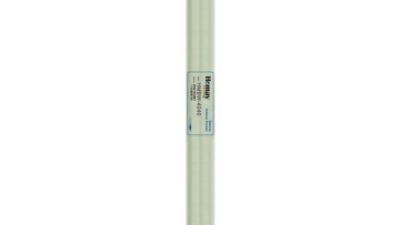
Understanding Reverse Osmosis Membranes: A Guide to Standard 4040 and 8040 Sizes for Optimal Water Purification
Understanding reverse osmosis membranes is crucial for optimizing water purification processes. The standard sizes of membranes, particularly the 4040 and 8040, are designed to meet the varying demands of different water sources. The 4040 membranes are typically used for applications requiring moderate flow rates and are suitable for treating brackish water. In contrast, the larger 8040 membranes are ideal for high-capacity systems, providing efficiency in larger scale operations.
The BW, LP, ULP, and FR series membranes cater to a broad spectrum of water treatment needs. The BW series excels in treating brackish water, making it a preferred choice for various industries. Meanwhile, the LP and ULP membranes are designed for low-salinity water operations at reduced pressures, ensuring effective purification without excessive energy costs. The FR series stands out with its anti-fouling properties, particularly beneficial for wastewater reuse applications. These membranes not only emphasize high rejection rates and flux but also offer low energy consumption, making them essential components in diverse sectors, including electronics, pharmaceuticals, food processing, petrochemicals, and industrial wastewater recycling.
FAQS
: It is a water purification process that uses pressure to filter out impurities from water.
They provide clean water, which enhances product quality and ensures employee safety.
They require maintenance and can have high energy consumption, which can deter some businesses.
The source water quality directly impacts the system’s ability to produce purified water.
They reduce water waste and plastic usage, contributing to sustainability efforts.
Neglecting maintenance can diminish performance and lead to inefficiencies over time.
Access to clean water helps prevent health issues and boosts productivity.
Initial costs and ongoing maintenance can be seen as barriers to adoption.
Although costly initially, the long-term benefits often justify the investment for quality and safety.
They help conserve local water supplies and lower greenhouse gas emissions related to water treatment.
Conclusion
The "Top 10 Benefits of Reverse Osmosis System for Businesses" delves into the various advantages that these systems offer to enterprises. Firstly, reverse osmosis systems significantly enhance water quality and safety, ensuring employees and customers have access to clean drinking water. This improvement not only leads to a healthier workplace but also elevates customer satisfaction.
Moreover, implementing a reverse osmosis system can lead to substantial cost savings over time by reducing the need for frequent water supply purchases and minimizing water waste. Additionally, these systems help businesses comply with health and safety regulations, providing peace of mind. The versatility of reverse osmosis solutions allows customization to meet specific business needs, further solidifying their role in enhancing product quality and promoting environmental sustainability. Overall, the integration of a reverse osmosis system is a prudent investment for businesses aiming to improve quality and efficiency.