Picking out the right house filters can really make a big difference when it comes to indoor air quality. Honestly, a lot of people don’t realize just how much proper filtering can impact their health. Good, clean air isn’t just a nice bonus—it’s actually good for your overall well-being.
When you’re choosing filters for your home, think about what you actually need. Do you or someone in your family suffer from allergies? If so, a HEPA filter might be the way to go. Or maybe you live somewhere pretty dusty—then you’ll want a filter that can handle more dust.
It’s easy to get overwhelmed since there are so many options out there. Some filters might not fit just right with your current system, which can be frustrating. Do a bit of homework—there are brands that claim to be super efficient but don’t always have the trusted testing to back it up. It’s a good idea to check out reputable sources or ask around before you buy so you’re not stuck with a filter that doesn’t do what it promises.
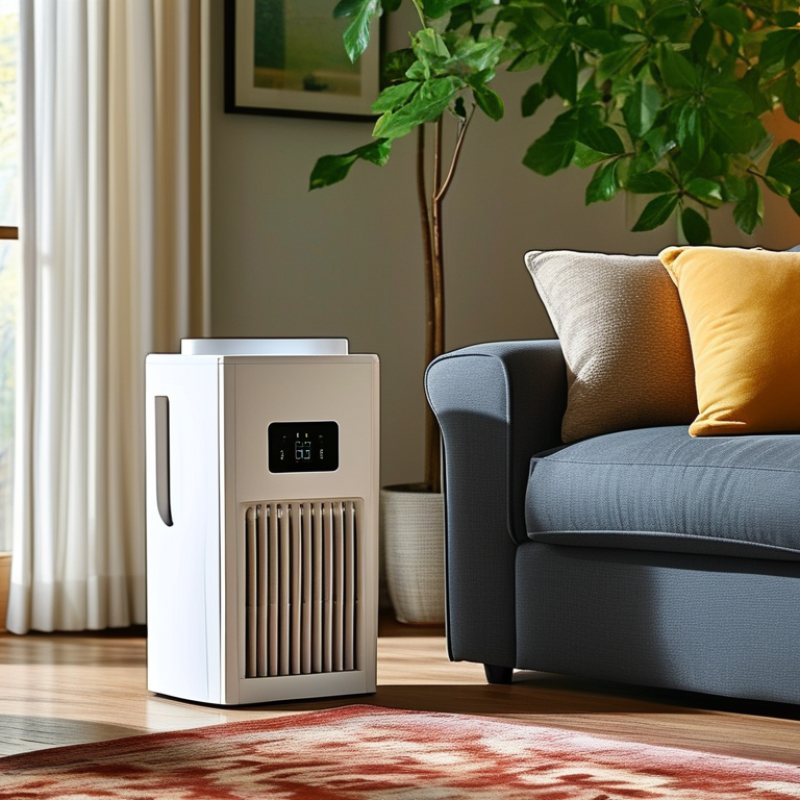
Understanding the Importance of House Filters for Air Quality
Indoor air quality is often overlooked. Yet, it significantly affects our health. According to the Environmental Protection Agency (EPA), indoor air can be two to five times more polluted than outdoor air. House filters play a crucial role in improving this air quality. They trap dust, pollen, and other allergens, thereby reducing respiratory issues.
Choosing the right filter type is essential.
HEPA filters, for instance, capture 99.97% of particles as small as 0.3 microns. This makes them highly effective against allergens. However, not all homes require high-efficiency filters. For some, standard filters may suffice. It depends on the types of pollutants present. A recent study noted that 30% of households still use basic filters, leading to unchecked particulate matter.
Regular maintenance is vital too. Filters need to be changed every 3 to 6 months. A clogged filter can worsen air quality instead of improving it. However, many homeowners ignore this, believing that any filter is good enough. This misconception can do more harm than good. Ultimately, understanding the role of house filters is the key to healthier living spaces.
Types of House Filters: A Comprehensive Overview
Choosing the right house filters is crucial for maintaining air and water quality. There are several types of house filters to consider. Each has specific functions and benefits.
Air filters are common in HVAC systems. They trap dust, pollen, and allergens. HEPA filters are highly efficient. They can remove up to 99.97% of microscopic particles. This is beneficial for allergy sufferers. However, remember that the filter needs regular changing. A dirty filter can reduce air quality.
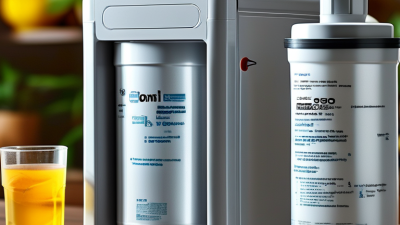
For drinking water, consider a House Water Filter. These can remove contaminants like chlorine, lead, and sediment. Activated carbon filters are popular for improving taste. They can make your water safer and better for cooking. Be cautious when selecting this filter. Not all of them remove the same substances. Always check the specifications.
Tips: Regular maintenance is key. Clean or replace your filters as recommended. Ignoring this can lead to inefficiency. Conduct research on your local water quality. This will help you understand which contaminants you need to filter out.
Key Factors to Consider When Selecting House Filters
Choosing the right house filters is crucial for maintaining a healthy indoor environment. Key factors to consider include the type of filter, its efficiency, and the specific contaminants in your home. According to the American Society of Heating, Refrigerating and Air-Conditioning Engineers (ASHRAE), the right filter can capture up to 99% of airborne particles. This data emphasizes the importance of selecting a filter that meets your specific needs.
When choosing a filter, consider the MERV rating. Filters with higher ratings can trap smaller particles, like pollen and dust mites. However, many homeowners overlook airflow resistance. A filter with a high MERV rating can reduce airflow, straining your HVAC system. Aim for balance—adequate filtration without compromising airflow.
Tip: Always check your filter's guidelines for replacement intervals. A clogged filter can hinder performance. Test your indoor air quality regularly. Many pollutants might go unnoticed yet impact health.
Another consideration is the filter material. HEPA filters are effective but can be expensive. There are budget-friendly options that still offer good performance. Weigh the costs and benefits carefully, ensuring you invest in a suitable filter without overspending.
Filter Efficiency Ratings: What You Need to Know
When selecting the right house filters, understanding filter efficiency ratings is essential. These ratings help you gauge how well a filter can remove pollutants from the air. Typically, filters are rated by their Minimum Efficiency Reporting Value (MERV). Higher MERV ratings indicate superior filtration, capturing smaller particles. However, high efficiency can come with trade-offs. A more efficient filter may restrict airflow, causing stress on your HVAC system.
It’s crucial to balance air quality and system performance. Consider using a Whole House Filter that suits your specific needs. Look for filters that capture allergens such as pollen, dust mites, and pet dander. Remember, filters need to be changed regularly. Neglecting this can lead to reduced efficiency and increased energy costs.
Tip: Check the manufacturer's guidelines for replacement frequency. Keeping your filter clean ensures better air quality. Also, evaluate your home environment. Factors like pets, allergies, and outdoor pollution levels can influence your filter choice. Do you often notice dust buildup? A higher-grade filter may be necessary. Identify your own habits and make an informed decision.
How to Determine the Right Filter Size for Your Home
Choosing the right filter size for your home is crucial for maintaining air and water quality. Many homeowners overlook this aspect. A poorly fitted filter can cause inefficiencies. According to the Environmental Protection Agency, improper filtration can lead to increased energy costs and poor air quality. It is essential to select a filter that matches your specific needs.
One common mistake is choosing the wrong size filter. A filter too small won’t capture all pollutants, while an oversized filter may be difficult to fit. The minimum efficiency reporting value (MERV) rating can guide you. A MERV rating of 8 to 13 is suitable for most residential needs. Higher ratings capture smaller particles but may restrict airflow.
Tip: Measure your current filters before buying new ones. If you're considering a system, a Whole House Reverse Osmosis System can provide comprehensive filtration. Research your local water quality to determine if this is necessary.
Understanding the size and type of filter is essential. Don't forget to consider the placement of your unit. Filters near high-traffic areas may need more frequent changes.
House Filter Sizes and Their Efficiency Ratings
Maintenance and Replacement: Ensuring Optimal Filter Performance
Maintaining the right house filters is crucial for optimal air quality. Regular upkeep ensures that your home remains a safe environment. Dust, pollen, and allergens can accumulate and disrupt your health. Scheduled checks give you a chance to replace worn-out filters. If filters are too dirty, they can restrict airflow. This could lead to higher energy bills.
Changing filters is not just about convenience; it’s about function. Each type has a different lifespan. For instance, HEPA filters last longer than standard ones. However, their effectiveness diminishes over time. A visual inspection is essential. Look for discoloration or heavy dust buildup. These are signs that action is needed.
Be aware of potential mistakes. Many homeowners forget about filters in hidden spaces. This can lead to mold growth or poor indoor air quality. Setting reminders may help. Also, consider using a calendar to track when to replace filters. This simple action can enhance your home's comfort and safety.
Cost Considerations: Investing in Quality House Filters
Investing in quality house filters is essential for maintaining a healthy home environment. According to a recent report by the Water Quality Association, improper filtration can lead to an increase in contaminants. A significant 33% of households tested have levels of lead, pesticides, or other impurities in their water supply. This statistic highlights the importance of selecting the right filtration system.
When considering cost, one must evaluate both initial expenses and long-term savings. Quality filtration systems, such as Whole House Water Treatment Systems, may have higher upfront costs. However, they can save homeowners money in the long run by reducing water-related issues. A study from the National Sanitation Foundation indicates that homes with effective filtration report a 25% decrease in plumbing repairs. This not only saves money but also contributes to a more efficient household.
Nonetheless, not every filter is perfect for every home. Variables such as local water quality and household size can impact the effectiveness of specific filters. Investing in a costly system without proper research can lead to buyer's remorse. Homeowners should engage with local water authorities and conduct water testing to make informed decisions. This knowledge helps ensure that the investment aligns with the unique needs of their household.
FAQS
: Filter efficiency ratings gauge how well a filter removes pollutants. Higher ratings mean better filtration.
The Minimum Efficiency Reporting Value (MERV) measures a filter's effectiveness. Higher MERV ratings capture smaller particles but can restrict airflow.
Choosing the right size is crucial. A poorly fitted filter can reduce efficiency and affect air quality.
A small filter won’t capture all pollutants. This can lead to poor air quality and health issues.
Filters need regular changes for optimal efficiency. Check the manufacturer’s guidelines for specific timelines.
Consider pets, allergies, and outdoor pollution. These factors will help determine the appropriate filter for your home.
Yes, quality filters can reduce long-term costs by minimizing plumbing repairs and improving system efficiency.
Researching local water quality helps identify suitable filtration systems. This ensures you meet your home’s specific needs.
Poor filtration can lead to increased contaminant levels. Some households have dangerous levels of lead or pesticides in their water.
Engage with local water authorities and test your water. This knowledge helps in selecting the most effective filtration system.
Conclusion
House filters play a crucial role in maintaining indoor air quality by removing pollutants and allergens from the air we breathe. Understanding the different types of house filters available, including HEPA, fiberglass, and electrostatic filters, allows homeowners to make informed decisions based on their specific needs. When selecting house filters, key factors to consider include filter efficiency ratings, appropriate sizes for your HVAC system, and the frequency of maintenance and replacement to ensure optimal performance.
It's essential to invest in quality house filters while keeping budget considerations in mind. Higher efficiency filters may come at a higher initial cost but can lead to significant long-term health benefits and energy savings. Ultimately, choosing the right house filters involves balancing effectiveness, cost, and ease of maintenance to create a healthy living environment.