Picking out the right RO membrane filter can honestly feel a bit overwhelming. Water quality can vary so much from one place to another, so it's really important to choose a filter that’s actually suited to your specific needs. As water treatment expert Dr. John Smith from AquaPurity points out, "The effectiveness of an RO Membrane Filter depends heavily on how well it matches your water source." Basically, it’s crucial to understand what’s in your water before you go making a purchase.
A good-quality RO membrane filter can seriously improve your water’s purity, no doubt about it. But let’s be real — with so many options out there, it’s easy to get confused. Sometimes, people just look at the price and forget to consider how well the filter actually works or what kind of maintenance it needs. Oh, and don’t forget to compare it with other products, like the String Wound Filter Element, which might offer even better filtration solutions.
Navigating all these choices can be tricky. A common mistake is thinking all RO Membrane Filters are the same — spoiler alert, they're not. Knowing what your water really needs is half the battle won. When you do your research and pick wisely, you end up with better water quality and a bit more peace of mind overall.
Understanding RO Membrane Filter: Basics and Functionality
Reverse osmosis (RO) membrane filters play a critical role in water purification. Understanding their basics can greatly enhance your selection process. An RO membrane operates by allowing water to pass through while blocking contaminants like dissolved salts and particles. This technology can effectively provide clean drinking water from various sources.
The functionality of an RO membrane depends on various factors. For instance, water pressure and temperature significantly influence its performance. Higher pressures can lead to better purification rates, but they may also strain the membrane. Regular maintenance of the filter is vital; neglected membranes can become less effective over time. Avoiding overly stringent maintenance practices, even ones you believe are helpful, can lead to reduced longevity.
Choosing the right RO membrane requires a balance of various elements. Not all membranes are created equal, and characteristics like pore size, material, and rejection rates matter. Take time to consider your specific water quality needs. Analyze the contaminants present in your source water. This will guide you toward the best choice. Don’t forget to reflect on your filtration needs regularly, as they may change over time.
Types of RO Membranes: Comparison of Options Available
Choosing the right reverse osmosis (RO) membrane filter can be complicated. Understanding the different types available helps make informed choices. The three main types of RO membranes are thin-film composite (TFC), polyamide, and cellulose acetate. TFC membranes are known for high purity levels. They effectively remove contaminants from water. Meanwhile, polyamide membranes offer greater chemical resistance, making them suitable for harsher conditions. Lastly, cellulose acetate membranes are less common but may be easier to maintain.
When deciding on an RO membrane, consider your specific needs. If you need high purity, TFC is ideal. For tougher environments, polyamide works best. Evaluate your water quality and contamination levels. This ensures you choose a membrane that can handle your requirements.
Tips: Regular maintenance is crucial for optimal performance. Check for membrane fouling regularly. This can impact water quality. Performing routine filter changes can prolong the life of your RO system. In addition, don't overlook the importance of pre-filters. They can significantly extend membrane lifespan.
How to Choose the Best RO Membrane Filter for Your Needs? - Types of RO Membranes: Comparison of Options Available
| Type of RO Membrane |
Pore Size (Microns) |
Rejection Rate (%) |
Life Span (Years) |
Cost (Approx.) |
| Thin-Film Composite |
0.0001 |
95-99 |
2-5 |
$50 - $150 |
| Cellulose Acetate |
0.0005 |
90-95 |
2-3 |
$30 - $100 |
| Polyamide |
0.0001 |
95-98 |
3-7 |
$60 - $200 |
| Nanofiltration |
0.001 - 0.01 |
50-90 |
2-5 |
$80 - $250 |
| Composite Polyamide |
0.0001 |
96-99 |
4-6 |
$70 - $180 |
Key Factors to Consider When Choosing an RO Membrane
When selecting an RO membrane filter, several key factors come into play. The pore size of the membrane is crucial. Membranes typically range from 0.0001 microns to 0.001 microns. A smaller pore size means better removal of contaminants. However, it can also reduce flow rates. Balance is essential.
Next, consider the material of the membrane. Different materials have varying durability and chemical resistance. Polyamide membranes are common for their effectiveness. Yet, they may degrade with certain chemicals. Researching material compatibility with your water source is vital.
Another factor is the volume of water you need to filter. Daily water demand impacts your choice. High demand may require larger systems or multiple membranes. Think about maintenance, too. Some membranes require more frequent replacements than others. Understanding these elements helps in tailoring solutions to your needs. Always research and ask for expert advice when in doubt.
Compatibility: Ensuring Your Membrane Fits Your System
When choosing an RO membrane filter, compatibility is key. Not every membrane fits every system. The right fit influences efficiency and performance. A membrane that is too small or too large can lead to leaks or poor filtration. Consider the specifications of your reverse osmosis system carefully.
Check the dimensions of the membrane you need. Note the pressure ratings as well. Different systems require membranes that can handle varying levels of pressure. If the compatibility is off, your system may not operate at its best. It is crucial to consult
installation manuals or technical specifications. This will offer insight into the dimensions and requirements necessary to ensure a good fit.
Inadequate research can lead to issues later on. A poorly matched membrane might restrict water flow, impacting its overall quality. Over time, this can increase maintenance costs. Understanding your system's unique needs helps avoid such pitfalls. Manufacturers often provide
compatibility charts that can guide your choice. Take the time to review these resources. Your careful selection can save you future headaches.
Performance Metrics: Evaluating Efficiency and Longevity
When evaluating RO membrane filters, performance metrics are critical. Efficiency typically depends on the membrane's rejection rate and flow rate. According to industry studies, high-performing membranes can achieve over 99% rejection of contaminants like lead and chlorine. This means cleaner drinking water for households and businesses relying on reverse osmosis systems.
Longevity is another key aspect. Membranes exposed to high levels of total dissolved solids (TDS) tend to degrade faster. Research suggests that quality membranes can last anywhere from two to five years with proper maintenance. However, regular testing and monitoring are essential. A failed membrane can lead to increased operational costs and water quality issues, which many users overlook.
Evaluating a filter's longevity requires considering both usage conditions and environmental factors. Higher temperatures and significant pressure fluctuations can shorten the lifespan of RO membranes. Some users may not realize the impact of these variables. Careful analysis of your specific needs and conditions will lead to more informed decisions. Balancing efficiency and longevity can ensure optimal water purification outcomes tailored to your situation.
Maintenance and Care for Your RO Membrane Filter
Maintaining your reverse osmosis (RO) membrane filter is essential for optimal performance.
Regular cleaning helps remove buildup that can compromise water quality. Use a
gentle cleaning solution specifically designed for RO systems. Avoid harsh chemicals that could damage the membrane.
Always follow guidelines for cleaning frequency based on your water source.
Check the pressure and temperature of your system regularly. These factors significantly impact the filter's efficiency.
If the water pressure is too low, it can lead to ineffective filtration. Hot water can also harm the membrane, reducing its lifespan.
Keep an eye on the membrane’s condition, and replace it as needed. Look for discoloration or wear that might indicate issues.
It's also crucial to monitor the water quality post-filtration. Test for total dissolved solids (TDS) to ensure the system effectively removes contaminants.
If TDS levels rise unexpectedly, it might indicate a problem with the membrane. In such cases, consult with a professional.
Regular maintenance not only improves performance but also prolongs the lifespan of your system.
Investing time in care can yield cleaner water and peace of mind.
Cost vs. Quality: Making an Informed Purchase Decision
When selecting an RO membrane filter, balancing cost and quality is crucial. A 2022 report noted that high-quality membranes could improve water purification efficiency by over 20%. However, these advanced filters often come with a higher price tag. Budget-conscious consumers may gravitate toward cheaper options. Yet, lower costs can equate to reduced performance and quicker replacements, which can add costs long-term.
Industry experts suggest considering lifespan and filtration capability. Options with longer lifespans can reduce replacement frequency and costs. A study showed that membranes rated for 2-3 years had lower lifetime costs than those rated for less than one year. Performance metrics like rejection rate and flow rate also matter. A membrane filtering 90% of contaminants is often more cost-effective than one at 70%, despite initial price differences.
Reflecting on these aspects ensures a more informed purchasing decision. Quality filters yield superior water standards, aligning with health and environmental policies. Without this consideration, one might inadvertently prioritize upfront savings over long-term value, which can lead to subpar water quality. Remember, investing in quality RO membranes is not just about the price; it’s about the safety and sustainability of the water you consume.
Advantages and Application of Pleated Filter Cartridges for Commercial and Municipal Industries
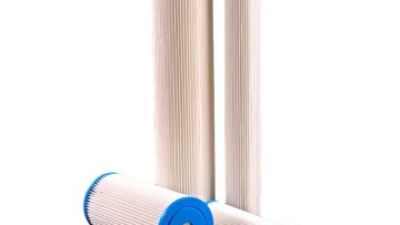
Pleated filter cartridges have become an essential component for both commercial and municipal industries, offering a range of advantages that enhance filtration efficiency. One of the standout features of standard pleated filter cartridges is their construction from pleated polyester filter media. This material provides low pressure drop, which not only reduces energy consumption but also prolongs the lifespan of equipment downstream. The increased surface area of the pleats allows for a higher dirt-holding capacity, meaning these cartridges can capture more contaminants without requiring frequent replacements.
Moreover, the installation process for pleated filter cartridges is straightforward, making them a popular choice worldwide. Their versatility allows them to fit into various filtration systems used in water treatment, food and beverage processing, and other industrial applications. As industries continue to prioritize efficiency and sustainability, the durability and effectiveness of pleated filter cartridges make them an ideal solution to meet modern filtration needs. The reliability and easy maintenance associated with these cartridges position them as a preferred option in the quest for cleaner and safer environments in both commercial settings and municipal water systems.
FAQS
: Key metrics include rejection rate and flow rate. High-performing membranes can achieve over 99% rejection of contaminants.
A quality membrane can last two to five years with proper maintenance. Regular testing and monitoring are essential.
High levels of total dissolved solids (TDS), temperature fluctuations, and pressure changes can damage membranes faster.
Regular cleaning removes buildup that can affect water quality. It ensures optimal performance and prolongs the membrane's lifespan.
Use a gentle cleaning solution designed for RO systems. Avoid harsh chemicals that could damage the membrane.
Regularly check water pressure and temperature. Test for total dissolved solids (TDS) post-filtration to ensure effectiveness.
Look for discoloration or wear on the membrane. A sudden rise in TDS levels may also signal a problem.
Yes, factors like high temperature and pressure fluctuations can impact the efficiency of water filtration systems.
Regular maintenance and careful monitoring of system conditions can enhance performance and water quality over time.
Yes, routine testing helps identify issues early. It can prevent increased operational costs and ensure cleaner drinking water.
Conclusion
Choosing the right RO Membrane Filter is essential for ensuring optimal water purification. Understanding the basics and functionality of RO membranes is the first step, as they play a crucial role in filtering contaminants from water. Various types of RO membranes are available, each with distinct features, making it important to compare these options based on your specific needs.
When selecting an RO Membrane Filter, key factors to consider include system compatibility and performance metrics such as efficiency and longevity. Proper maintenance and care will extend the life of your membrane, ensuring it continues to perform effectively. Additionally, balancing cost and quality is vital to make an informed purchasing decision, allowing you to invest in a solution that meets your water purification needs without compromising on performance.