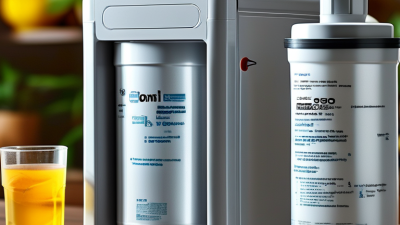
Hey, did you know the global water filter market is really booming right now? I came across a recent report from MarketsandMarkets, and it says that demand for water filters might hit around $39.4 billion by 2026. That’s a pretty huge jump, and honestly, it makes sense — more people are becoming really aware of water quality and health stuff these days. Dr. Emily Carter, an industry expert, even mentioned that having innovative water filter tech is super important if we want everyone to have access to safe drinking water.
As folks get more informed, they’re starting to look for solutions they can trust. Something like the String Wound Filter Element is becoming quite popular because it does a good job removing impurities. But, here’s the thing—not all filters are the same. When you’re picking one, you gotta consider things like how well it filters, how much maintenance it needs, and how much it costs.
With so many options out there, it can get pretty overwhelming. Picking the right filter really depends on your personal needs and what your water’s like. Each choice can be a step forward but also comes with its own risks—like maybe it doesn’t quite match what you’re expecting. So, yeah, making an informed decision in this space is super key—not just grabbing whatever’s available, but thinking about what actually makes sense for you.

Top Factors to Consider When Choosing a Water Filter in 2026
When selecting a water filter in 2026, understanding contamination is vital. Water can contain bacteria, heavy metals, and chemicals. Knowing your water source helps narrow down options. Some filters target specific contaminants. Others offer broader purification solutions. Always check for certifications confirming effectiveness. This adds a layer of trust.
Another essential factor is your lifestyle. Consider how much water you need daily. Larger families may require advanced systems or multiple filters. Space constraints also play a role. Some filters are compact, while others need more installation area. Durability is crucial too. A long-lasting filter can save costs over time.
It's easy to overlook maintenance needs. Some filters require regular replacement parts. Others might need extensive cleaning. Reflect on your ability to keep up with these tasks. Go for user-friendly options if maintenance seems daunting. Price should align with your budget, but never compromise on safety. In every decision, aim for reliability and quality.
Overview of Water Filter Technologies Available Globally
The global market for water filters continues to innovate, driven by increasing demand for clean drinking water. Various technologies are available in 2026, making it essential for buyers to understand their options. According to a recent report from the Water Quality Association, around 85% of households express concerns about water quality. This demand is influencing the development of advanced filtration methods.
Activated carbon filters are highly popular. They can remove contaminants like chlorine and volatile organic compounds effectively. Studies show that they improve taste and odor significantly. Reverse osmosis systems also gain traction, purifying water through a semi-permeable membrane. They can remove heavy metals, making them suitable for areas with contaminated water sources. Nevertheless, their energy consumption remains a challenge, prompting ongoing research into sustainable alternatives.
Ultraviolet (UV) purification is another technology gaining recognition. It inactivates bacteria and viruses, ensuring microbiological safety. While UV filters are effective, they do not remove chemical contaminants, which is a critical drawback. Lastly, ceramic filters offer a simple, low-cost solution, but their capacity can be limited. Buyers must weigh these limitations against their specific needs when choosing a water filter. Each technology presents unique advantages and challenges that warrant careful consideration.
Comparison of Popular Water Filter Brands in 2026
In recent years, the demand for reliable water filtration has surged. Reports indicate that by 2026, households worldwide are expected to prioritize clean water. This need drives innovation in water filter technology.
A comprehensive study found that contaminants in tap water can vary widely. In the U.S., nearly 85% of municipal water supplies contain harmful substances, as noted by the CDC. This raises concerns about health risks. It is crucial to choose filters that effectively remove lead, chlorine, and bacteria. An effective solution often combines multiple filtration methods, ensuring cleaner water.
**Tips:** Check certifications for any water filter you consider. Look for NSF or WQA standards. These can confirm the filter's efficiency. A diverse range of filtration options may not always be required. Sometimes, simpler systems fulfill basic needs effectively.
Availability may vary globally, impacting choices. Understanding local water quality can guide your purchase. Regular maintenance remains essential for filter longevity. Filters lose efficiency over time, so timely replacement is important.
Sustainability and Environmental Impact of Water Filters
Water filters are essential for ensuring clean drinking water, but their environmental impact is an important consideration for buyers. A recent report from the World Health Organization indicates that approximately 2 billion people lack access to safely managed drinking water. This highlights the urgent need for effective solutions. However, many traditional filters generate plastic waste, exacerbating environmental issues.
Choosing sustainable options is key. Filters with replaceable cartridges tend to have less waste than single-use systems. Some companies focus on biodegradable materials, reducing their footprint. According to a study by the Environmental Protection Agency, more than 9 million tons of plastic waste enter oceans annually. Opting for eco-friendly filters can significantly mitigate this crisis.
Tips: Look for certifications indicating sustainability. Consider filters made from renewable resources. Pay attention to the lifespan of the filter. Longer-lasting products typically mean less frequent replacements, resulting in reduced waste. Thoughtfully choosing your water filter can lead to better health and a healthier planet.
Cost Analysis: Budget-Friendly vs. Premium Water Filters
When choosing a water filter, understanding cost is essential. A budget-friendly option typically focuses on basic filtration. These filters may remove common impurities. However, they might not eliminate all harmful substances. For instance, certain contaminants can still make it through. Buyers must weigh immediate savings against potential health risks.
On the other end of the spectrum, premium filters often boast advanced technology. They tend to offer more comprehensive filtration. This might include removal of heavy metals and bacteria. While the upfront cost is higher, the long-term benefits could outweigh this initial investment. Consumers often report better water quality and taste. Yet, it’s crucial to verify claims made by brands. Not all expensive products guarantee superior performance.
Some users may feel overwhelmed by the options available. Finding the right balance between cost and quality is challenging. Research and reviews provide valuable insights but may be biased. Always consider user feedback and expert opinions. A perfect solution doesn’t exist—each option has its trade-offs.
User Reviews and Ratings: Insights from Global Consumers
Global consumers are increasingly turning to water filters for safer drinking water. A recent industry report shows that around 40% of households worldwide now use water filtration systems. User reviews reveal key insights into what makes a filter effective. Many users prioritize odor removal and taste improvement. A significant number highlight filters that eliminate chlorine and heavy metals.
However, not all products meet expectations. Nearly 15% of users expressed disappointment regarding their filter’s lifespan. They found that some filters required frequent changes, leading to additional costs. Consumers noted the importance of considering total costs when selecting a filter. An informed choice involves looking beyond initial prices to consider long-term expenses.
Sustainability is another growing concern in user feedback. Many consumers today seek eco-friendly filtration options. An industry report indicates a rise in organic materials used in filter production. This trend suggests that filters with sustainable features can enhance user satisfaction. Still, not all brands effectively communicate their eco-credentials, leading to confusion. Users often feel overwhelmed by the choices available. Understanding these aspects remains crucial for responsible consumerism.
Top 10 Water Filter Options for Global Buyers in 2026 - User Reviews and Ratings
| Filter Type |
Rating (out of 5) |
Price (USD) |
User Feedback |
| Reverse Osmosis System |
4.8 |
199 |
"Highly effective and easy to install." |
| Activated Carbon Filter |
4.5 |
49 |
"Great taste, but needs frequent replacement." |
| UV Water Purifier |
4.7 |
150 |
"Peace of mind with UV technology." |
| Water Distiller |
4.3 |
120 |
"Purest water, but slower process." |
| Faucet Mount Filter |
4.6 |
39 |
"Convenient and effective for daily use." |
| Countertop Water Filter |
4.4 |
85 |
"Stylish, but takes up space." |
| Portable Water Filter |
4.5 |
25 |
"Great for travel, easy to use." |
| Whole House Filter |
4.9 |
450 |
"Comprehensive filtration, worth the investment." |
| Ion Exchange Filter |
4.2 |
65 |
"Effective for hard water issues." |
| Pitcher Filter |
4.1 |
30 |
"Convenient, but filters need replacement often." |
Future Trends in Water Filtration Technology and Innovation
Water filtration technology is rapidly evolving. As concerns about water quality grow, innovative solutions are emerging. In 2026, we can expect advanced filtration methods that are not only effective but also eco-friendly. Technologies like membrane filtration and UV purification will likely become more accessible, improving drinking water standards globally.
Increasingly, users prefer smart water filters that monitor water quality in real time. These systems provide alerts about contaminants, ensuring safer consumption. However, affordability remains a challenge. Many advanced solutions may be out of reach for lower-income households.
Sustainable materials are also a key focus. Filters made from biodegradable components could reduce plastic waste. Yet, the balance between cost, efficiency, and environmental impact is still a work in progress. Consumers will need to navigate these trade-offs when choosing the right filtration option for their needs. Knowledge and awareness will play crucial roles in this evolving landscape.
Top 10 Water Filter Options for Global Buyers in 2026
FAQS
: Common types include activated carbon filters, reverse osmosis systems, UV purification, and ceramic filters. Each has unique features.
They effectively remove contaminants like chlorine and volatile organic compounds, enhancing taste and odor significantly.
They consume a lot of energy, which raises concerns about sustainability and ongoing costs for users.
It effectively inactivates bacteria and viruses, ensuring the microbiological safety of drinking water.
They do not remove chemical contaminants, which is a critical issue for some water quality concerns.
Choosing filters with replaceable cartridges and biodegradable materials can help minimize plastic waste.
Many traditional filters produce plastic waste, contributing to pollution. Choosing eco-friendly options is essential.
Advanced, eco-friendly filtration methods and smart systems that monitor water quality in real time will become more common.
It's crucial to weigh the effectiveness of the filter against its price and environmental impact to make an informed choice.
Knowledge about available options and their impacts will help consumers make better decisions in the evolving market.
Conclusion
In 2026, selecting the ideal water filter requires careful consideration of several key factors, including filtration technologies, sustainability, and cost. Understanding the various water filter options available globally, consumers can evaluate which systems best meet their needs, balancing effectiveness and environmental impact. The comparison of popular water filter brands will provide valuable insights into performance and consumer satisfaction, guiding users toward informed choices.
Furthermore, user reviews and ratings offer firsthand insights from diverse global consumers, revealing preferences and potential pitfalls of different models. As the market evolves, future trends in water filtration technology promise innovations that enhance purification processes while prioritizing eco-friendliness. Ultimately, choosing the right water filter will hinge on a mix of personal priorities and emerging advancements in the field.