When it comes to getting clean drinking water, choosing the right water filter system is kind of a big deal. I mean, Dr. John S. Marlowe—who’s pretty much an authority in water purification—always stresses that "a good, reliable water filter keeps you healthy." And honestly, with all the worries about contaminants in tap water these days, lots of families are rethinking what options they should go for.
A solid water filter doesn’t just improve the safety and purity of your water; it can also make it taste better. Take, for example, a String Wound Filter Element. It’s great at removing sediments and those pesky bigger particles, which means your water looks much clearer. But here’s the thing—how well these systems actually work can vary quite a bit, which makes many people question whether their current setup is enough. It's really important that manufacturers test and certify their products to meet safety standards, otherwise, what’s the point?
Of course, while the benefits of a water filter are pretty obvious, not all systems are created equal. Folks really should think about what they actually need—because there’s such a wide range of options out there, and not every solution fits every home. You’ve got to consider how effective they are, plus how easy they are to maintain. And let’s be honest—many people look back at their past choices and realize some filters just didn’t live up to expectations, right?
Overview of Water Contamination Issues
Water contamination is a pressing issue affecting millions globally. The World Health Organization reported that nearly 2 billion people use contaminated drinking water sources. This alarming statistic highlights the urgent need for clean water solutions. Common pollutants include heavy metals, bacteria, and pesticides, all of which pose serious health risks. Regular exposure to these contaminants can lead to chronic diseases and developmental issues, particularly in children.
Notably, lead contamination remains a significant concern in many urban areas. The Environmental Protection Agency estimates that over 6 million American homes have lead pipes, risking public health every day. According to a recent study, the presence of lead in drinking water can impair cognitive development in children, making community awareness essential. Persistent efforts to address these issues are required.
Filtration systems can effectively remove many of these harmful substances. While they are not a cure-all, they significantly improve water quality. Many families are unaware that their tap water could contain harmful levels of contaminants. Regular testing and using a reliable water filter can substantially reduce these risks. Understanding local water quality and potential contaminants is essential for every household. It prompts further reflection on our collective responsibility for clean water access.
Water Contamination Issues
This bar chart illustrates various common water contaminants and their respective levels measured in parts per million (ppm). Understanding these levels can help consumers make informed decisions about water filtration systems for cleaner drinking water.
Benefits of Clean Drinking Water
Clean drinking water is essential for good health. It supports physical well-being and prevents diseases. Contaminants in water can lead to serious health issues. Harmful chemicals and bacteria are often invisible. Investing in a reliable water filter system ensures that you have access to safe water.
One of the major benefits of clean drinking water is improved hydration. When water is free from impurities, it tastes better. This encourages people to drink more. Adequate hydration aids digestion and boosts energy levels. Additionally, clean water can enhance skin health. Many people report clearer skin after switching to filtered water.
However, not everyone realizes the importance of water quality. Some might think that tap water is sufficient. It's easy to overlook the potential dangers lurking in the water supply. Regularly testing your water can reveal hidden issues. Filters can also help remove unpleasant odors or tastes. With concerns around water pollution growing, ensuring access to clean drinking water is more important than ever.
Types of Water Filter Systems Available
When it comes to ensuring access to clean drinking water, choosing the right water filter system is vital. Several types of filtration systems exist, each designed to address specific needs. Activated carbon filters, for instance, effectively reduce contaminants through adsorption. They can improve taste and odor, making water more enjoyable. These filters require regular replacement to maintain efficiency, and that's an aspect often overlooked.
Reverse osmosis systems offer another option. They remove a wider range of impurities by pushing water through a semi-permeable membrane. This process is efficient but can waste some water in the treatment. Many users find this trade-off acceptable for the quality of water produced. However, some common minerals may also be stripped away, which leads to a need for remineralization.
Ultraviolet (UV) purifiers, on the other hand, focus on inactivating harmful microorganisms. This method doesn't require filters and is relatively low maintenance. However, it does not remove chemicals or sediments, so it may not be suitable as a standalone solution. Each system has its merits and downsides, and the choice often boils down to personal needs and the specific quality of the water source.
Key Features to Look for in Water Filters
When selecting a water filter system, several key features should guide your decision. One important aspect is the filtration method. Different systems use methods like activated carbon, reverse osmosis, or ultraviolet light. Each method has its unique benefits and limitations. Understanding these can help tailor your choice to your water quality needs.
Another critical feature is the filter lifespan. Some filters need frequent replacement, while others last longer. Consider the cost of replacement filters when calculating your long-term expenses. It’s not just about the initial investment. Pay attention to the filtration capacity, as this determines how much water you can filter at once. A system with a higher capacity may be more suitable for larger households.
Ease of installation and maintenance is also essential. Some filter systems require professional installation, while others can be easily set up by an average homeowner. Regular maintenance is necessary for optimal performance. Reflect on how much effort you are willing to invest. This could impact your satisfaction with the system over time.
Health Impacts of Consuming Contaminated Water
Contaminated water poses serious health risks. According to the World Health Organization, around 2 billion people use drinking water contaminated with fecal matter. This increases the risk of diseases like cholera and dysentery. Children are particularly vulnerable. Every year, waterborne diseases kill approximately 297,000 children under five.
Exposure to contaminated water can lead to chronic health issues. Heavy metals like lead and arsenic are often found in untreated water. The Centers for Disease Control and Prevention (CDC) states that these toxins can impair cognitive functions and cause developmental delays in children. Even low-level exposure can have lasting impacts on health, creating a need for safer drinking options.
Investing in a water filter system can reduce these risks significantly. Many systems effectively remove bacteria and contaminants. A 2020 study found that home filtration systems reduced lead levels by up to 90%. That's a stark contrast to unfiltered tap water. Individuals must take action for their health. Clean drinking water is not just a necessity; it’s a right that should be accessible to all.
Cost Analysis: Investing in a Water Filter System
Investing in a water filter system can significantly reduce long-term costs related to health and safety. A study by the Water Quality Association highlights that Americans spend approximately $30 billion annually on bottled water. A water filter system can save families hundreds of dollars each year while providing access to pure drinking water.
The initial investment in a water filter system might seem high, typically ranging from $100 to $1,500 depending on the type. However, the long-term savings are evident. For instance, replacing bottled water with filtered water can save an average family over $300 annually. Moreover, a report by the Environmental Protection Agency indicates that harmful contaminants can increase healthcare costs. Filtering these impurities at home can prevent potential health issues, adding further financial benefits.
Choosing a water filter system also means considering maintenance and replacement costs. Filter cartridges need changing regularly, sometimes every six months. This is crucial to ensure the system remains effective. On the other hand, many users overlook these costs, leading to dissatisfaction with their filtration systems. Recognizing these factors helps individuals make informed decisions about their water quality and financial investments.
Why Choose a Water Filter System for Clean Drinking Water? - Cost Analysis: Investing in a Water Filter System
| Filter Type |
Initial Cost ($) |
Annual Maintenance Cost ($) |
Filter Lifespan (Years) |
Estimated Total Cost Over 5 Years ($) |
| Activated Carbon Filter |
50 |
20 |
2 |
150 |
| Reverse Osmosis System |
300 |
40 |
5 |
400 |
| Ultraviolet (UV) Filter |
200 |
30 |
3 |
290 |
| Whole House Filtration System |
800 |
100 |
10 |
2300 |
Maintenance and Longevity of Water Filter Systems
Maintaining a water filter system is crucial for ensuring the quality of drinking water. Regular maintenance can greatly enhance the longevity of the system. For instance, changing filters as recommended can remove up to 99% of contaminants, including lead and chlorine. According to the Water Quality Association, improper maintenance may result in reduced removal efficiency, leading to potential health risks.
Across various reports, nearly 30% of households with water filters neglect maintenance schedules. This lapse can lead to filter blockage and lower water quality. Filters should typically be replaced every 6 to 12 months, depending on usage. Users can benefit from monitoring their filter life through alerts or reminders.
Furthermore, regular cleaning of filter components also plays a pivotal role in performance. Routine checks can uncover leaks or wear, preventing bigger issues down the line. Some professionals recommend a visual inspection every few months. Although the initial setup might seem daunting, staying diligent ensures cleaner, healthier water for all users. Balancing time and effort with the benefits highlights the importance of a committed maintenance routine.
Enhancing Water Purity: Insights from Industry Reports on Activated Carbon Filter Element for Effective Color, Odor, and Chlorine Reduction
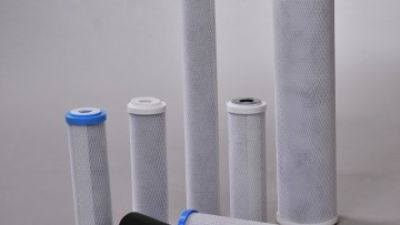
The importance of water purity cannot be overstated, particularly when it comes to ensuring safe drinking water and maintaining high standards in industrial applications. One effective solution for addressing common water contaminants is the activated carbon filter element, specifically designed for enhanced chlorine reduction. These filter elements are manufactured from carbon fines or powder, integrated with food-grade additives and FDA-approved gaskets, ensuring that the entire filtration process is both safe and efficient.
The Chlorine Reduction Carbon Filter Element excels in removing unwanted odors and tastes while effectively lowering levels of chlorine and chloramine. By utilizing high-quality carbon materials, this filter captures particulate impurities and eliminates harmful contaminants like heavy metals that may threaten water safety. As a result, households and industries can enjoy the benefits of cleaner, purer water that supports health and well-being, all while adhering to rigorous safety standards.
Implementing such advanced filtration technology not only improves the quality of drinking water but also contributes to the operational efficiency in various industrial processes. As industries strive to meet stricter environmental regulations and consumer expectations, the use of activated carbon filter elements for water treatment has emerged as a highly effective strategy for achieving optimal water purity and safety.
FAQS
: Look for the filtration method, filter lifespan, and filtration capacity. Each method has different benefits.
Lifespan varies. Filters may need replacement every 6 to 12 months, depending on usage.
Popular methods include activated carbon, reverse osmosis, and ultraviolet light. Each has unique pros and cons.
Regular maintenance keeps filters efficient. It can remove up to 99% of contaminants.
Ignoring maintenance can lower water quality. Nearly 30% of households fail to follow maintenance schedules.
Use alerts or reminders to monitor filter life. Regular checks help maintain water quality.
Some systems are easy for homeowners to install; others require professional help. Choose based on your comfort level.
Routine checks are recommended every few months. Look for leaks or wear to prevent bigger issues.
Yes, the time and effort improve water quality. A committed routine leads to cleaner, healthier water.
Change the filter as recommended. Regular maintenance is essential for optimal performance.
Conclusion
Choosing a Water Filter System is essential for ensuring access to clean drinking water amid widespread water contamination issues. Contaminated water can harbor harmful substances that significantly impact health, making it crucial to invest in effective filtration solutions. A variety of water filter systems are available, each with unique features designed to address specific contaminants.
The benefits of clean drinking water extend beyond health, improving overall quality of life. While the initial investment in a water filter system may seem high, the long-term savings and positive health outcomes often outweigh costs. Additionally, regular maintenance is vital for the longevity of these systems, ensuring they continue to provide safe, purified water. By making an informed choice, consumers can safeguard their health and wellbeing through reliable access to clean drinking water.