Picking out the right RO water filter isn’t just about tech specs — it can actually make a pretty big difference for your health and overall well-being. Honestly, with so many options out there, it’s completely understandable to feel a bit overwhelmed. A good quality RO filter not only zaps out nasty contaminants but also keeps those important minerals in the water. Basically, it means you get clean, safe water without losing everything in the process.
When you’re choosing one, think about what you really need. Like, some filters are great at knocking out heavy metals, while others are better at tackling chemicals. Do a quick dive into brands like Aquasana or APEC — it helps to see what might suit your situation best. Also, don’t forget to check if the filter’s got certifications from places like NSF. That’s a good sign it’s reliable and actually works.
And hey, maintenance matters, too. Some filters need to be replaced pretty often, while others might require extra parts or setups that can add up cost-wise. It’s a good idea to consider your budget and how much water you use. The best RO filter is the one that strikes a good balance between quality, price, and convenience — after all, you want something that fits your life, not complicated or expensive to keep up with.
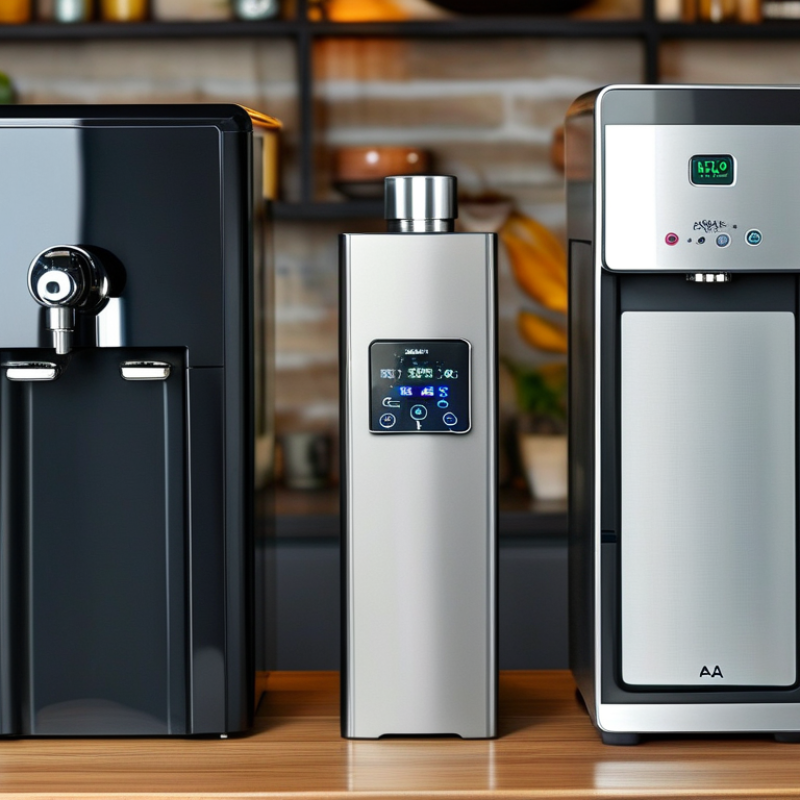
Choosing the Right Type of RO Water Filter: Key Considerations
When selecting a reverse osmosis (RO) water filter, several factors must be examined. First, identify the contaminants present in your water. According to a study from the Environmental Protection Agency (EPA), nearly 20% of residential water sources contain lead or nitrates. Test your water to understand its specific impurities. This knowledge will guide you in selecting a filter with the appropriate membrane and filtration stages.
Next, consider the filter's capacity and flow rate. A report from the Water Quality Association shows that a conventional RO system can produce 50 to 100 gallons of purified water per day. If your household consumes a high volume of water, look for systems with higher output. Besides, think about filter lifespan. Some filters need replacement every six months, while others can last up to two years. Regular maintenance is vital for ensuring the effectiveness of your filtration system.
The final important consideration is certification. Look for filters certified by the NSF or ANSI. These certifications guarantee that the filter meets specific performance standards. However, even certified systems can fail to remove certain new contaminants, such as pharmaceuticals. This highlights the necessity for ongoing research and monitoring in water filtration technologies.
Understanding the Different Stages of RO Filtration: A Breakdown
When considering reverse osmosis (RO) water filtration, understanding the stages of filtration is crucial. RO systems typically consist of five stages, each playing a distinct role. The first stage generally includes a sediment filter, which removes larger particles, such as dirt and rust. This initial step protects subsequent filters and ensures long-lasting efficiency.
In the second stage, a carbon filter targets chlorine and other harmful substances. A study by the Water Quality Association (WQA) reveals that activated carbon can remove up to 99% of chlorine, improving taste and odor. Without this stage, contaminants might compromise the effectiveness of the RO membrane in the third stage.
The RO membrane is where the magic happens. It utilizes a semi-permeable membrane to eliminate over 95% of total dissolved solids (TDS). Research indicates that this process effectively separates harmful contaminants from safe drinking water. Following this, a post-carbon filter may be applied, enhancing flavor before consumption. Each stage has its importance, and skipping even one can lead to less effective filtration.
Choosing the right RO system requires understanding these stages. Potential users should reflect on their specific water quality needs. Community water tests and local reports can guide decisions, ensuring you select an RO filter that meets your demands effectively.
Evaluating Water Quality: Identifying Your Contaminants
Evaluating water quality is essential for choosing the right Water Filter. Understanding the contaminants in your water helps determine the type of filter you need. According to the Environmental Protection Agency, over 80 contaminants can be found in drinking water. This includes heavy metals, bacteria, and chlorine. Identifying these harmful substances is the first step toward clean, safe drinking water.
Conducting a water test can reveal critical information. You may find high levels of lead or nitrates, both of which pose health risks. A study from the National Resources Defense Council highlights that about 63 million Americans are exposed to lead. Getting a detailed water analysis allows you to prioritize your needs accurately. While some people may only need to remove chlorine, others might require a comprehensive solution that filters multiple contaminants.
Selecting the right water filter based on these findings enhances reliability. Not all filters handle every contaminant effectively. Some may excel at reducing chlorine but fall short on heavy metals. This dilemma requires research and consideration. Balancing performance with your unique water quality can be challenging. However, focusing on accurate testing and understanding your specific issues is crucial for making an informed choice.
Capacity and Flow Rate: How Much Water Do You Actually Need?
Choosing the right reverse osmosis (RO) water filter starts with understanding your needs. Capacity and flow rate are two crucial factors. The capacity of a filter determines how much water it can purify before needing maintenance. If you have a large family or use water for cooking and drinking, a filter with a higher capacity is essential. This aspect can save you time and ensure a constant supply.
Flow rate affects how quickly you receive filtered water. A slow flow can be frustrating, especially during peak usage times. Consider how much water your household consumes daily. For instance, a family of four might need a filter that delivers at least 2 Water Filter gallons per hour. If you only filter a small amount at a time, a lower flow rate might suffice. However, be mindful of your habits.
Even with a suitable capacity, you might find your needs change. Maybe you become more active and consume more water. Regular assessments of your water usage can highlight the need for an upgrade. Balancing these factors—capacity, flow rate, and personal consumption—is key to maintaining an efficient and effective water filtration system.
Cost Analysis: Upfront Expenses vs. Long-term Maintenance
When selecting A Water Filter, understanding cost is vital. Upfront expenses include the purchase price of the filter itself and installation fees. Basic models start around $100, while advanced systems can reach over $1,000. A report by the Water Quality Association states that homeowners often overlook these initial costs. Many believe that investing in a pricier model ensures better filtration, but higher price does not always guarantee superior performance.
Long-term maintenance is another critical factor. Regular filter replacements, typically required every 6 to 12 months, can add up. Maintenance costs vary widely. For example, some filters might require replacement cartridges costing $50 annually, while others may exceed $200. According to a study from the Environmental Protection Agency, the average household spends approximately $250 annually on water filtration upkeep.
Many users underestimate these continual costs. It’s essential to factor in both initial prices and long-term upkeep when choosing a filter. As your needs change, revisiting your water filtration choices could be necessary. While a water filter may seem like a small expense, its cumulative costs over time can be significant. Balancing your budget with your filtration needs requires careful consideration and planning.
The Importance of Certifications: Recognizing Quality Standards
When selecting a reverse osmosis (RO) water filter, understanding certifications is crucial. Certifications provide assurance about the device's quality and efficacy. They guarantee that the water filter meets specific performance standards. A filter with credible certifications ensures it effectively removes contaminants from water, safeguarding your health. Look for certifications like NSF or WQA, which indicate rigorous testing for safety and performance.
However, not every manufacturer values transparency. Some may claim to meet standards without proper verification. Always research the background of the certifications listed. Sometimes, the label may seem convincing but lacks real substance. This makes it important to consult independent reviews or expert guidelines.
Ultimately, a certified water filter can greatly improve your water quality. But equally important is knowing what those certifications mean. Pay attention to details and ask questions. Understanding certifications helps ensure you're making an informed decision. It can be beneficial to discuss with professionals or read up on industry standards. Your health depends on these choices; don’t take them lightly.
User Reviews and Brand Reputation: What to Look For in Ratings
Choosing the right RO water filter can be overwhelming. User reviews and brand reputation play a significant role in making your selection. According to a recent survey by Water Quality Association, about 73% of consumers research online reviews before purchasing a water filtration system. These reviews can reveal common issues, such as taste, maintenance, and filter longevity.
When examining ratings, consider the overall consensus. Look for filters that consistently receive high marks. A filter with multiple reviews reflecting similar positive experiences indicates reliability. However, take note of outlier reviews. Some users may have had unique problems that do not represent the average experience. Analyzing both positive and negative feedback is essential for an informed decision.
Brand reputation is also crucial. Established brands with a history of producing high-quality products often offer better customer support and warranty options. A report by the Environmental Protection Agency (EPA) states that customers are 50% more likely to trust brands with a proven track record. Therefore, incorporating user feedback and brand reputation into your decision-making process can help you identify the best RO water filter for your needs while avoiding pitfalls.
Optimizing Water Filtration: The Benefits of PP Pleated High Flow Filter Cartridge for Pentair Aqualine Replacement
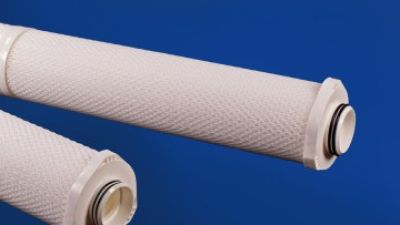
In the quest for efficient water filtration solutions, the PP Pleated High Flow Filter Cartridge stands out as an exceptional choice for replacing existing high flow filter cartridges. Designed to fit seamlessly into existing systems, this cartridge boasts a large-diameter structure that maximizes the filtration area. By doing so, it provides enhanced filtration capabilities, ensuring that water quality meets the highest standards.
The expanded effective filtration area significantly reduces the need for multiple filter cartridges, which in turn minimizes both equipment size and the overall footprint of filter housings. This not only contributes to a more organized installation but also results in substantial cost savings for enterprises, allowing them to allocate resources more efficiently. Investing in a high-performance filter cartridge like the PP Pleated High Flow model leads to improved operational efficiency and reduces maintenance efforts, showcasing the advantages of optimizing water filtration systems.
FAQS
: Identify contaminants in your water first. Test for lead or nitrates. Then, choose the right filter based on your needs.
Consider the output. Some systems produce 50 to 100 gallons per day. Choose one that meets your household's water usage.
Some filters last six months; others up to two years. Regular replacements ensure effective filtration.
Yes, look for NSF or ANSI certifications. They confirm the filter meets performance standards but may not remove all contaminants.
RO systems typically have five stages. Each stage removes specific contaminants to ensure clean water.
The RO membrane removes over 95% of total dissolved solids. It is key in separating harmful contaminants from safe drinking water.
Initial costs can start at $100. However, long-term maintenance can add up. Annual upkeep might reach $250 on average.
Price doesn't always equal better performance. It's essential to consider both effectiveness and ongoing cost.
Review community water tests and local water reports. They can guide your decision on the right filter for you.
You may need to reassess your filtration choices over time as your needs and water quality may change.
Conclusion
When selecting the best RO water filter for your needs, it’s essential to consider several key factors. Start by identifying the right type of RO water filter that suits your specific requirements, which includes understanding the different stages of RO filtration—each stage plays a crucial role in ensuring water purity. Evaluating your water quality is also vital, as it helps in identifying the contaminants that need to be addressed. Additionally, consider the capacity and flow rate, ensuring the system can meet your household's daily water consumption.
Cost analysis should not be overlooked; assess both the upfront expenses and the long-term maintenance costs to ensure you make a financially sound decision. Certifications are important as they reflect the quality standards of the product, while user reviews provide insight into brand reputation and performance. By carefully considering these aspects, you can choose the right RO water filter that effectively meets your needs for clean and safe drinking water.