When it comes to water purification, picking the right Ro Membrane Filter is more important than you might think. Honestly, a lot of folks struggle to find reliable options that actually match what they need. The right filter can really make a difference—improving water quality and keeping everyone safe. But with so many options out there, it can get pretty overwhelming, so making an informed choice is definitely worth the effort.
When you're choosing an Ro Membrane Filter, it's good to get your head around some key specs and how well the filter works. Things like how much water it can handle and how tough the material is should be on your radar. Not all filters are created equal, and what suits one situation might not work for another. From what I’ve seen, spending some time researching can really pay off. Brands like Hydranautics and Dow are known for quality, but ultimately, you’ll want to pick one that fits your specific needs.
Talking to other users or reading reviews really helps too. Some folks notice a filter works great at first but then starts to degrade after a while. So, checking out real-world feedback and performance reviews before buying can save you headaches later on. Trust me, investing just a little extra effort here helps you avoid wasting money and ensures you’ve got clean, safe water—whether it’s for your home or business. A good Ro Membrane Filter isn’t just about quick fixes; it’s about lasting safety and health benefits too.
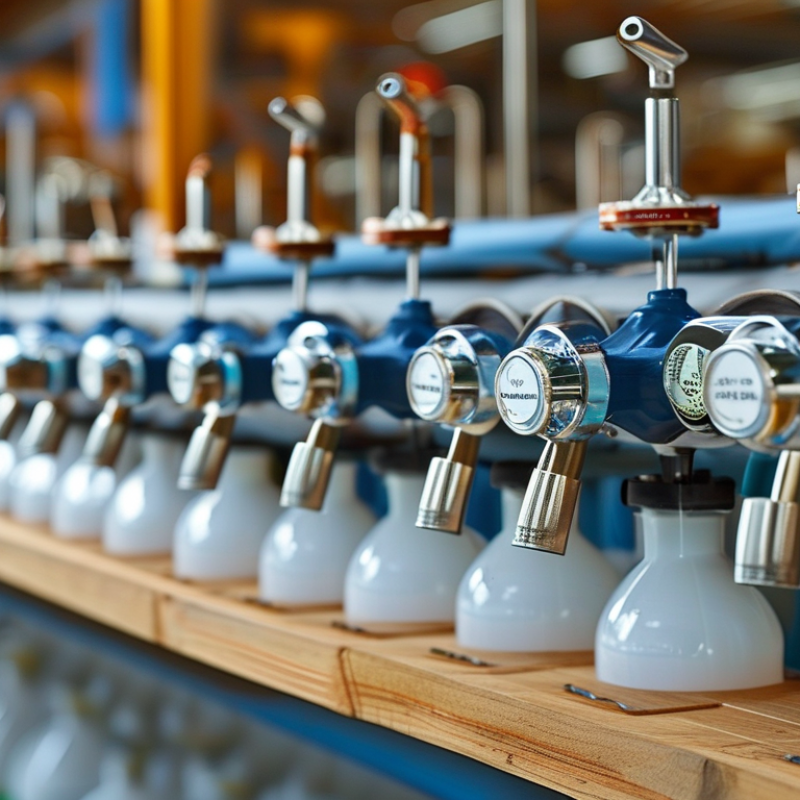
Overview of RO Membrane Technology and Its Importance
Reverse osmosis (RO) membrane technology plays a crucial role in water purification. It effectively removes contaminants, providing clean and safe drinking water. This process relies on semi-permeable membranes to filter out impurities from water. The membranes allow water molecules to pass through while blocking larger particles, such as salts and microbes.
RO systems are essential for both residential and industrial applications. They are often used in areas with contaminated water sources. However, the effectiveness of these systems can vary based on membrane quality and design.
Prospective buyers should consider factors such as permeability and rejection rates when choosing RO membranes. Some users may experience issues with membrane fouling and scaling, which can reduce efficiency. Regular maintenance and monitoring are important to ensure optimal performance.
Additionally, buyers might face challenges in understanding technical specifications. This gap can lead to selecting a less efficient option. Investing in high-quality membranes is a key factor in achieving the best water quality.
Types of RO Membrane Filters Available Globally
When considering the types of reverse osmosis (RO) membrane filters available globally, it is essential to understand the variety of options that cater to diverse needs. The market for
Membrane Water Filters has seen significant growth, with a projected CAGR of over 8% through 2028, according to industry reports. Different materials and configurations of RO membranes can influence efficiency and lifespan.
Polyamide thin-film composite membranes are popular for residential use due to their high rejection rates for contaminants. These filters are effective against pollutants like heavy metals and microorganisms. In contrast, cellulose acetate membranes are often used in less demanding applications, as they generally have a lower rejection rate. They are more affordable but may require more frequent replacement, reflecting the balance between cost and performance.
It's crucial to acknowledge that not all membrane water filters meet the same safety standards globally. Variations in manufacturing quality can lead to inconsistencies in performance. Some filters may not adequately remove all harmful substances, which can be a significant concern for users. Being informed about the specific types of RO membranes available can help buyers make better choices tailored to their particular needs.
Key Factors to Consider When Choosing RO Membranes
When selecting an RO membrane filter, several key factors require careful consideration. Your water quality should be evaluated first. This includes testing for contaminants present in your supply. It helps determine the membrane type needed. For instance, a Pleated Membrane Filter is effective against larger particles. However, ensuring it meets your specific filtration needs is equally critical.
Next, consider the membrane’s permeability and rejection rates. These values indicate how well the filter can handle specific contaminants. Higher rejection rates mean better purification. Look for membranes designed for your water's chemical makeup. If the water is highly saline, a specialized RO membrane will be necessary.
Lastly, pay attention to the membrane's lifespan. This impacts both performance and cost over time. Some filters may exhibit a decrease in efficiency after extended use. Regular maintenance and replacements are essential to keep the filtration process effective. Ultimately, you'll want to strike a balance between cost, performance, and reliability in your chosen RO membrane. Choosing poorly may lead to unexpected problems that require reevaluation.
Best Ro Membrane Filter Options for Global Buyers
| Membrane Type |
Filtration Capacity (GPD) |
Rejection Rate (%) |
Operating Pressure (psi) |
Material |
| Polyamide Thin Film Composite |
50 |
95 |
50-100 |
Polyamide |
| Spiral Wound |
75 |
98 |
60-120 |
Polymeric |
| Ceramic Membrane |
30 |
99 |
100-200 |
Ceramic |
| Composite Membrane |
100 |
90 |
50-80 |
Polymeric |
| Flat Sheet Membrane |
25 |
92 |
40-90 |
Polyamide |
Top Brands of RO Membrane Filters for Global Consumers
When selecting RO membrane filters, it's crucial to consider brand reliability. Reports indicate that top brands provide improved efficiency and durability. According to a market analysis, high-quality RO membranes can reduce wastewater by up to 75%. This efficiency is especially important for both residential and commercial consumers.
Regeneration rates and removal capabilities differ among brands. A renowned study highlighted that some filters can eliminate up to 99% of contaminants, ensuring safer drinking water. However, not all options perform equally, and low-cost alternatives often sacrifice quality. Consumers should be cautious about these compromises.
**Tips:**
Invest in third-party tested membranes to ensure quality.
Regular maintenance of your filter will prolong its lifespan.
Do not solely rely on price; evaluate performance metrics too.
Understanding the nuances of RO membrane technology can greatly influence your purchase. Comprehensive research is essential for long-term satisfaction. While the market offers various choices, purchasing a reputable brand protects your investment and health.
Best RO Membrane Filter Performance Comparison
This bar chart presents the performance comparison of different types of RO membrane filters based on their average removal rates of common contaminants. The data highlights the efficiency of various membrane options, making it easier for global buyers to make informed decisions.
Comparative Analysis of RO Membrane Performance
The performance of reverse osmosis (RO) membranes varies significantly across different options. Recent studies indicate that the efficiency of these membranes can be influenced by materials, design, and operational conditions. For example, a comparative analysis found that high-quality RO membranes can achieve rejection rates of up to 99% for contaminants. This is crucial for ensuring safe drinking water.
Industry reports highlight that not all membranes perform equally. The standard polymer membranes have limitations in terms of permeability and fouling resistance. While some options boast high rejection rates, they may not maintain consistent flux under varying pressures. The 3m Ro Membrane is often cited for its durability. However, even the best membranes require routine maintenance to ensure optimal function.
Fouling remains a significant challenge. The accumulation of particles can lead to decreased performance over time. Users often underestimate how quickly fouling occurs. Regular monitoring and appropriate cleaning are essential for sustaining membrane efficiency. Understanding these operational aspects is vital for global buyers seeking the best RO membrane filter options. The decision process involves balancing performance metrics with practical maintenance needs.
Maintenance and Longevity of RO Membrane Filters
Maintaining RO membrane filters is essential for optimal performance and longevity. Regular checks can prevent premature wear. Membranes can be sensitive to water quality. High levels of contaminants may lead to clogging. Users should monitor both the input and output water quality continuously.
Cleaning the membranes is crucial. Use gentle cleaning agents; harsh chemicals can damage the membrane material. Record the frequency of cleaning sessions. This practice helps identify patterns and potential issues. Sometimes, users may overlook the importance of regular maintenance. Without it, efficiency drops, leading to increased costs.
Proper storage is another key aspect. If membranes are not in use for a while, ensure they remain moist. Dry membranes can become damaged and unusable. It’s also helpful to create a schedule for checking and replacing membranes. This proactive approach saves time and money in the long run. Consider documenting your experiences with various types of membranes. Reflecting on these details can lead to better choices in the future.
Emerging Trends in RO Membrane Technology and Innovations
Emerging trends in reverse osmosis (RO) membrane technology highlight the growing importance of efficiency and sustainability. Manufacturers focus on developing thinner membranes with high rejection rates. These advancements allow for better water purification, making processes faster and more energy-efficient. Pleated Membrane designs are gaining traction as they maximize surface area while maintaining low pressure drops. This leads to improved system performance and lower operational costs.
Innovations in materials are also noteworthy. Researchers are exploring biocompatible membranes that can resist fouling. This reduces maintenance costs and downtime, ultimately enhancing reliability. Membrane performance varies, and many options exist in the market. Yet, selecting the right one requires careful consideration of specific needs. Some membranes perform well under certain conditions but may falter in others.
The shift toward smart membranes is equally compelling. These membranes incorporate sensors to monitor performance in real time. Such technology allows for proactive adjustments, optimizing operation. As the market evolves, the blend of functionality and environmental responsibility is crucial. Buyers should stay informed on both traditional and emergent technologies to make wise purchasing decisions. The path ahead may have challenges, but the potential for innovative solutions in the RO membrane sector is remarkable.
Advancements in Filtration Technology: Evaluating the Efficiency and Applications of Titanium Powder Sintered Filter Cartridges in Industrial Processes
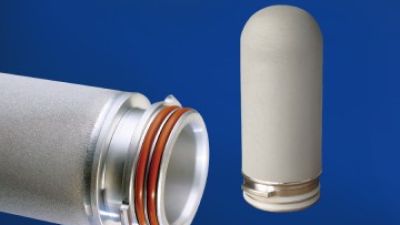
The advancements in filtration technology have led to the development of sintered titanium filter cartridges, which are specifically designed to perform in extreme industrial environments. These cartridges are constructed from sintered titanium powder, providing a rigid, fixed pore structure that is capable of withstanding high temperatures and pressures. Their design allows for effective filtration of aggressive fluids and gases, making them an ideal choice for industries that demand robust and reliable filtration solutions.
One of the key advantages of sintered titanium filter cartridges is their mechanical stability and corrosion resistance, achieved through an integrated seamless structure. This design not only enhances durability but also supports repeated cleaning and backwashing cycles, ensuring a long service life and consistent performance. As industries face increasingly challenging operational conditions, the reliability and efficiency of these filter cartridges offer a critical solution for maintaining product purity and process integrity in various applications.
FAQS
: Look for reliability, efficiency, and durability. High-quality membranes can reduce wastewater significantly.
Some can eliminate up to 99% of contaminants. However, performance varies widely among different options.
It prolongs their lifespan and maintains efficiency. Neglecting maintenance can lead to decreased performance.
Use gentle cleaning agents. Avoid harsh chemicals as they may damage the membrane material.
Regularly check the input and output water quality. Document cleaning sessions to identify performance patterns.
They often sacrifice quality for price. This could result in poor performance and increased costs over time.
Yes, factors like water quality and pressure impact efficiency. Understanding these can help make better choices.
Keep them moist to prevent damage. Dry membranes can become unusable, so proper storage is essential.
No, standard polymer membranes have limitations. Some might not maintain consistent performance under varying conditions.
Check for fouling and clean regularly. Monitor for issues to prevent long-term inefficiencies and costs.
Conclusion
The article "Best Ro Membrane Filter Options for Global Buyers" provides a comprehensive overview of reverse osmosis (RO) membrane technology, highlighting its critical role in ensuring water purity and safety. It outlines the various types of RO membrane filters available worldwide, emphasizing the importance of selecting the right filter based on specific needs. The article discusses key factors to consider when choosing RO membranes, such as filtration efficiency, compatibility, and cost-effectiveness.
Additionally, the discussion extends to comparative analyses of RO membrane performance, taking into account aspects like maintenance requirements and filter longevity. Emerging trends and innovations in RO membrane technology are also explored, showcasing advancements that could enhance water treatment processes. This insightful guide aims to equip global consumers with the knowledge necessary to make informed decisions when selecting RO membrane filters for their water purification needs.