


Melt-Blown Filter Cartridges: What They Do for Your Water Treatment System
What Is a Melt-Blown Filter Cartridge?
If your water treatment line keeps clogging up, or your RO membranes foul faster than they should, the problem is often hiding in a filter element that costs a few dollars. The melt-blown filter cartridge is the workhorse most plants reach for first. It's simple, cheap, and does one job well: it catches sediment and suspended solids before the expensive equipment downstream ever sees them.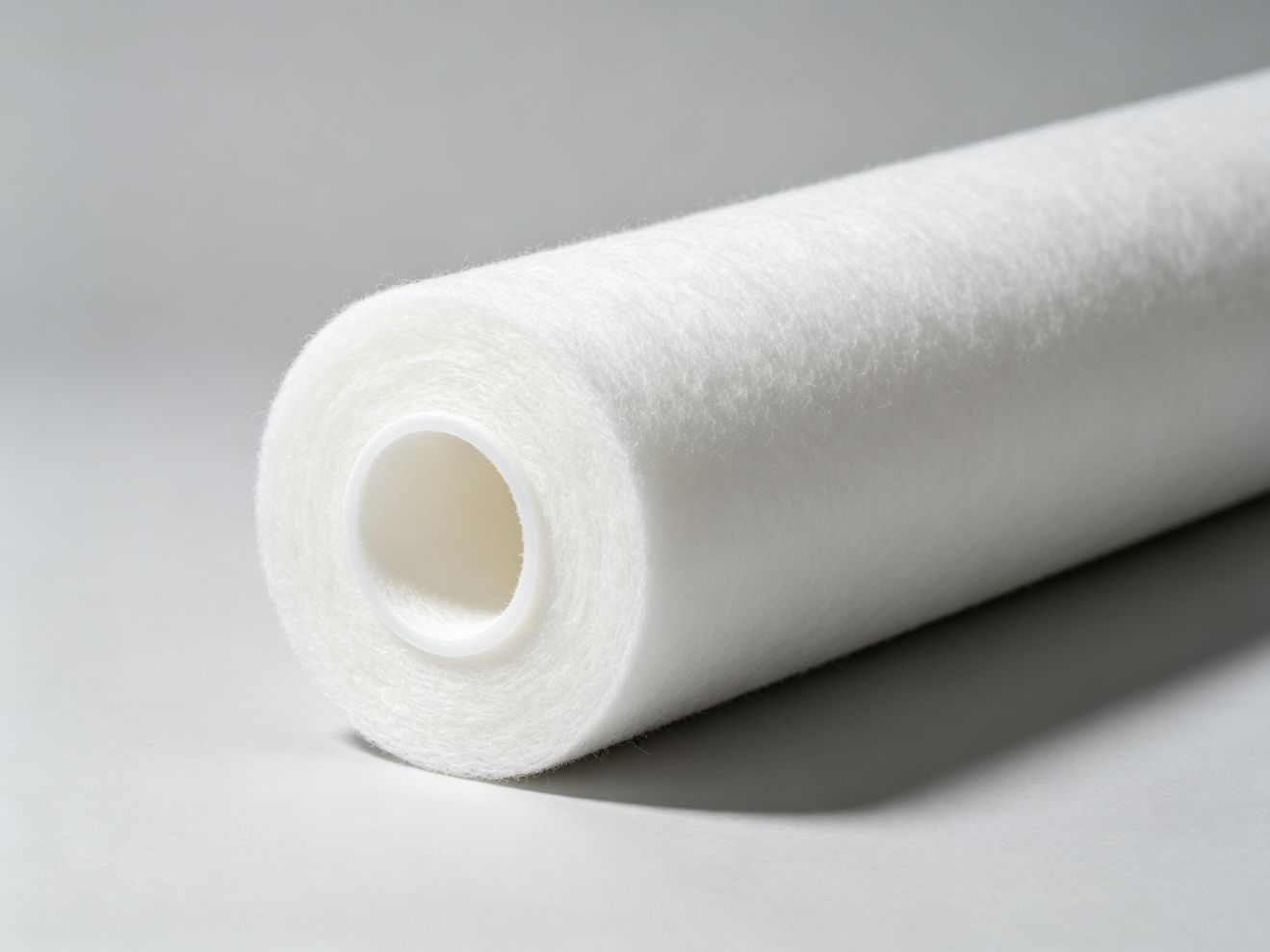
How Melt-Blown Filtration Works
A melt-blown cartridge starts as polypropylene pellets. The material is melted, forced through fine nozzles, and blown into a web of microfibers that gets wound onto a rigid core. What matters is the structure, not just the raw material. The outer layers are coarse; the inner layers get progressively finer. Water flows from outside to inside, so large particles get trapped at the surface while smaller ones get caught deeper in the wall. That's what people call depth filtration, and it's why a melt-blown cartridge can hold a surprising amount of dirt without clogging up in a day.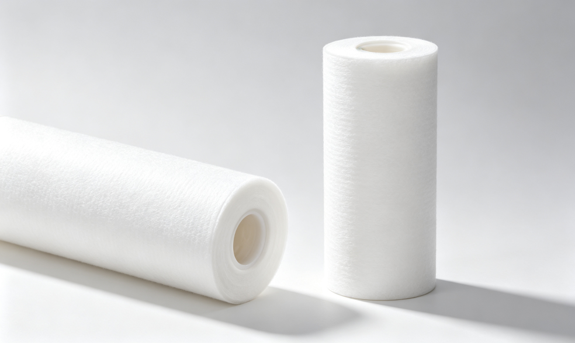
Why PP Is the Standard Choice
The polypropylene earns its keep too. It's chemically stable, so it holds up across a wide pH range, from roughly 1 to 13, without degrading or shedding fibers into your stream. It doesn't leach anything into the water, which is why it's accepted in food and beverage lines. And it's cheap enough to treat as a consumable rather than a component you baby along. Most operators simply change them on a schedule and never think twice.
Key Specifications to Check
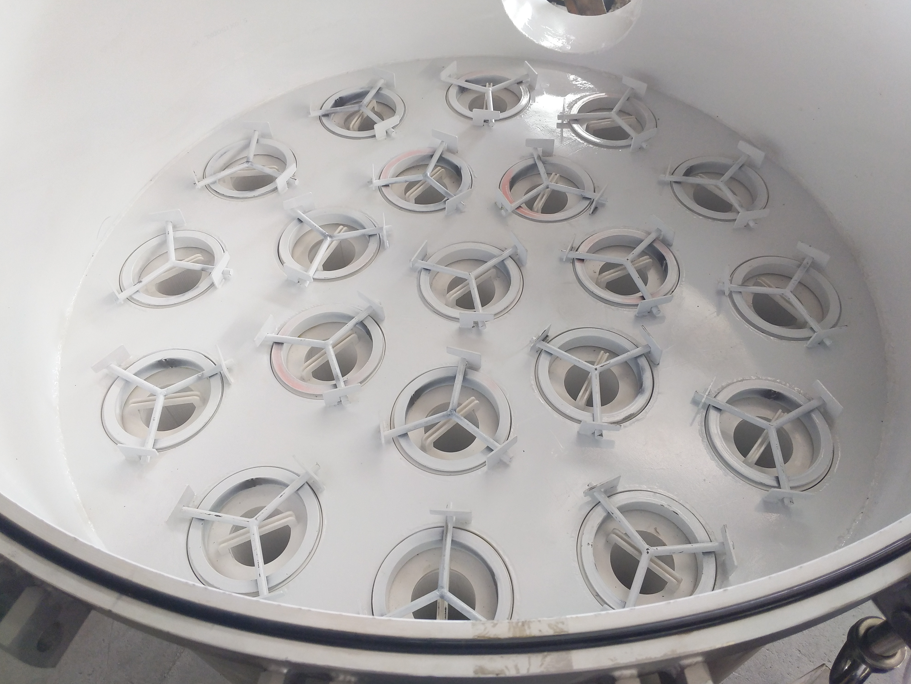
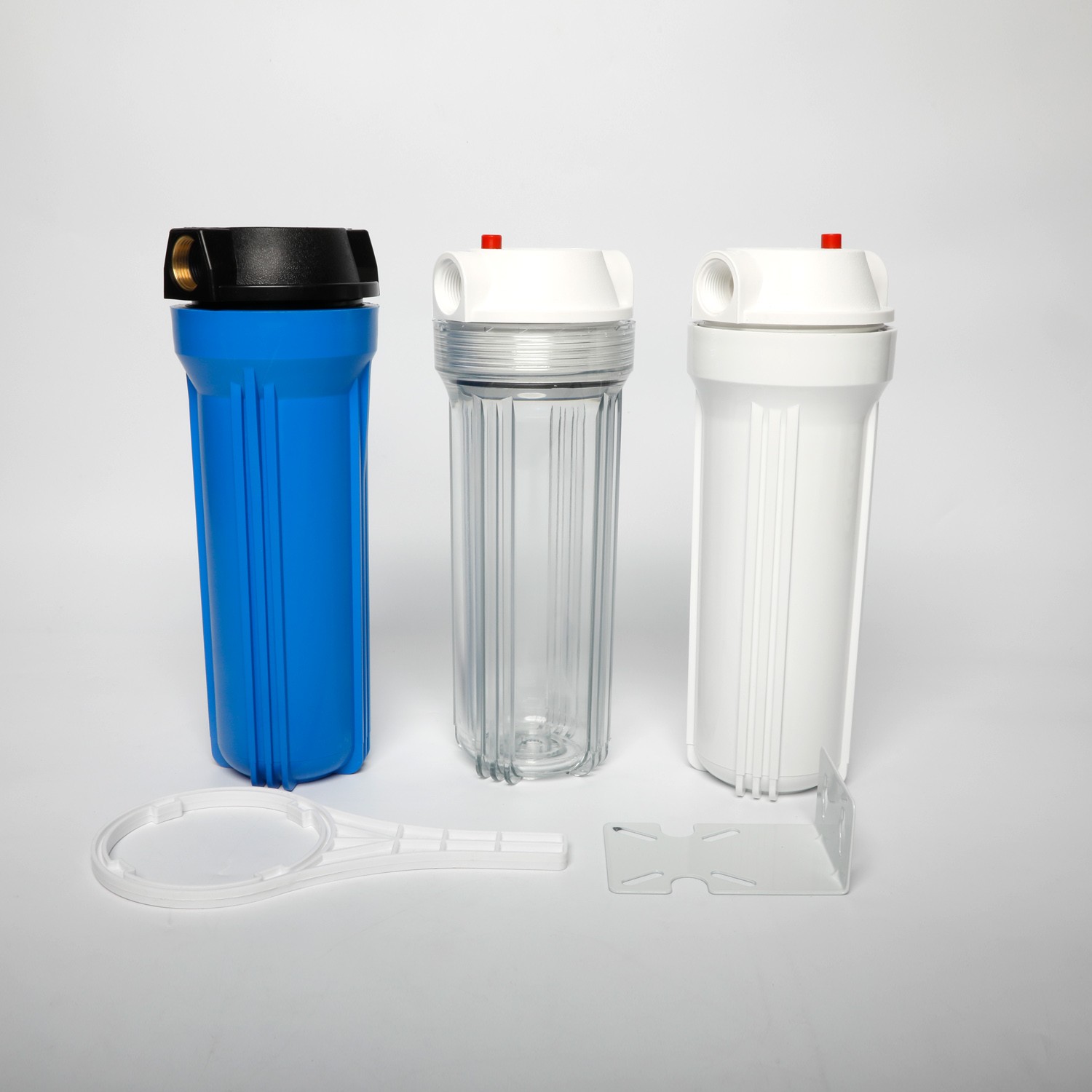
A standard cartridge runs 10, 20, 30, or 40 inches long, with an outside diameter near 60-65 mm and an inside diameter of 28 or 30 mm, so it drops straight into common housings. Filtration ratings usually start at 1 micron and climb to 50, 75, or 100 microns. Watch the operating limits too: most are rated to roughly 60-80°C and a maximum pressure difference around 4 bar. Push past those numbers and the fibers collapse or the cartridge deforms, and a deformed cartridge seals poorly. If your housing takes an O-ring or gasket, confirm the material matches your chemistry before ordering in bulk.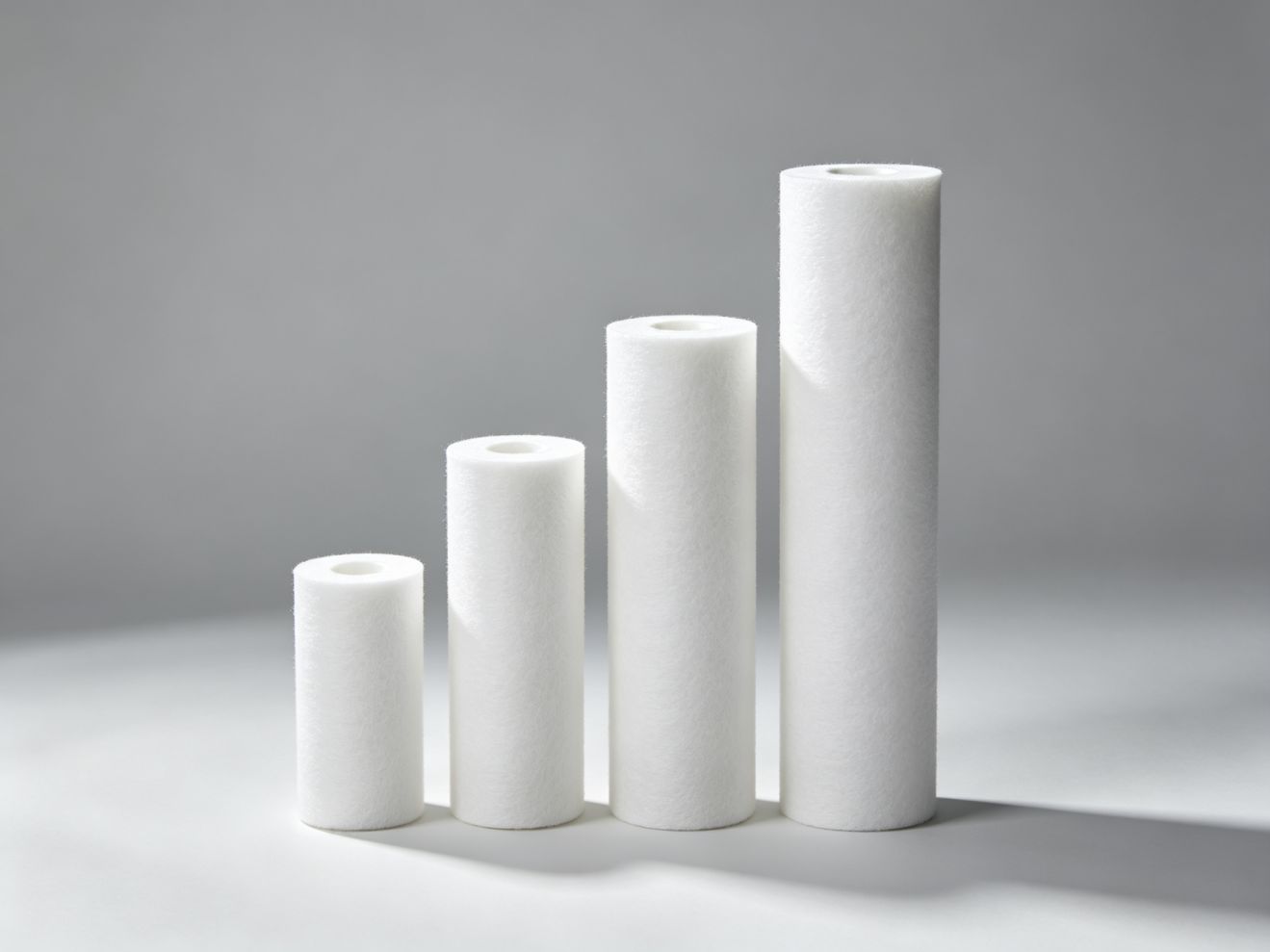
Where Melt-Blown Cartridges Are Used
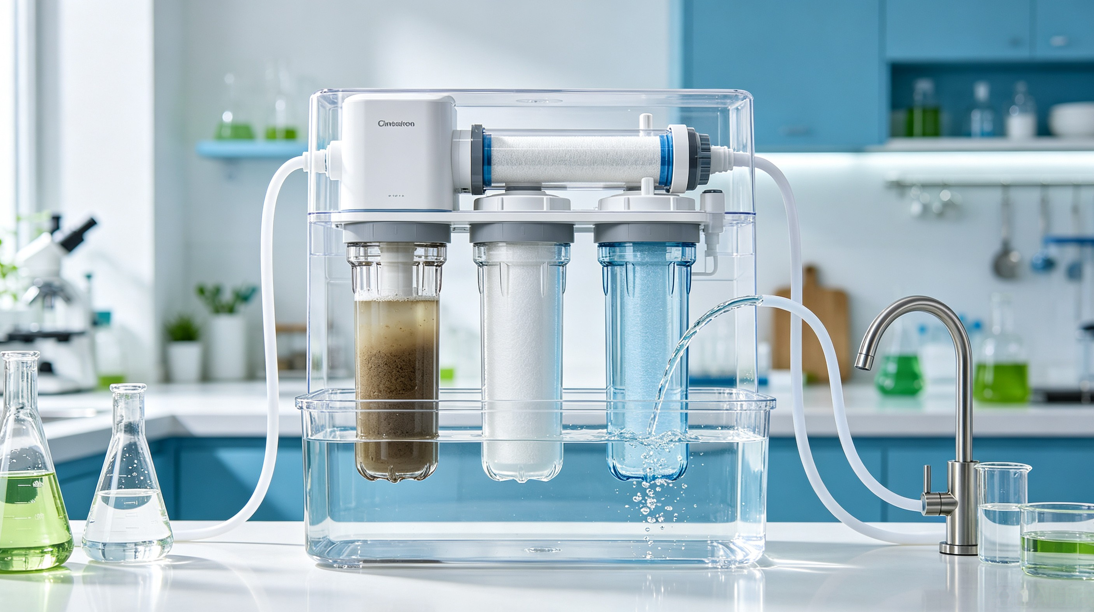
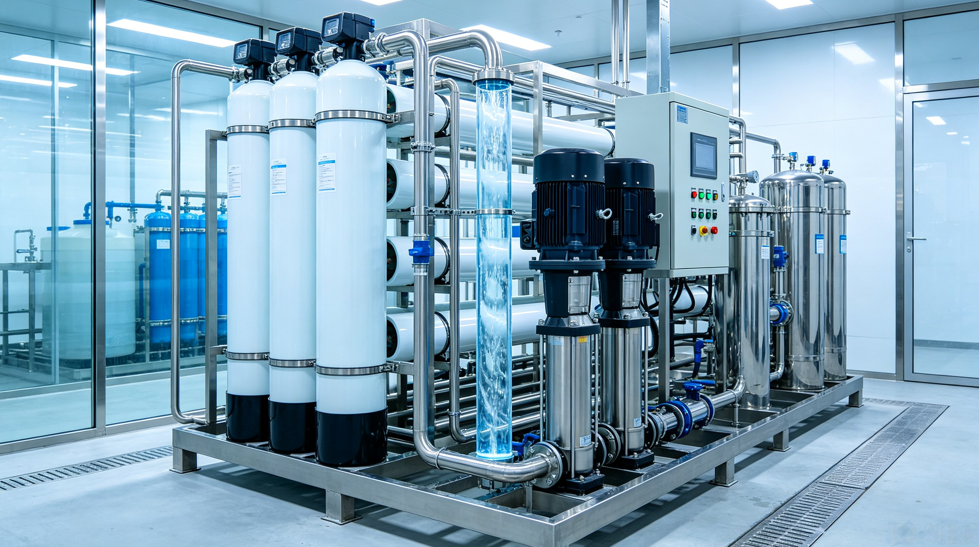
RO pretreatment is the biggest use case. A melt-blown cartridge takes the suspended solids so the membrane doesn't have to, and membranes cost far more to replace. You'll also find these elements in drinking water systems, cooling water loops, plating and chemical baths, and any line where raw water carries sand, rust, scale, or biological debris. Because the media is uniform and the flow path is predictable, they're a dependable first line of defense almost anywhere.
How to Choose the Right Rating
Choice comes down to three numbers: the micron rating, the length, and the housing it has to fit. If you're unsure where to start, 5 or 10 micron is a safe default for most municipal and well water. Going too fine too early just gives you faster pressure drop and shorter intervals between changes. If you're filtering a viscous liquid, remember that finer ratings throttle flow more aggressively, so leave some headroom in the pump.
When to Replace Your Cartridge
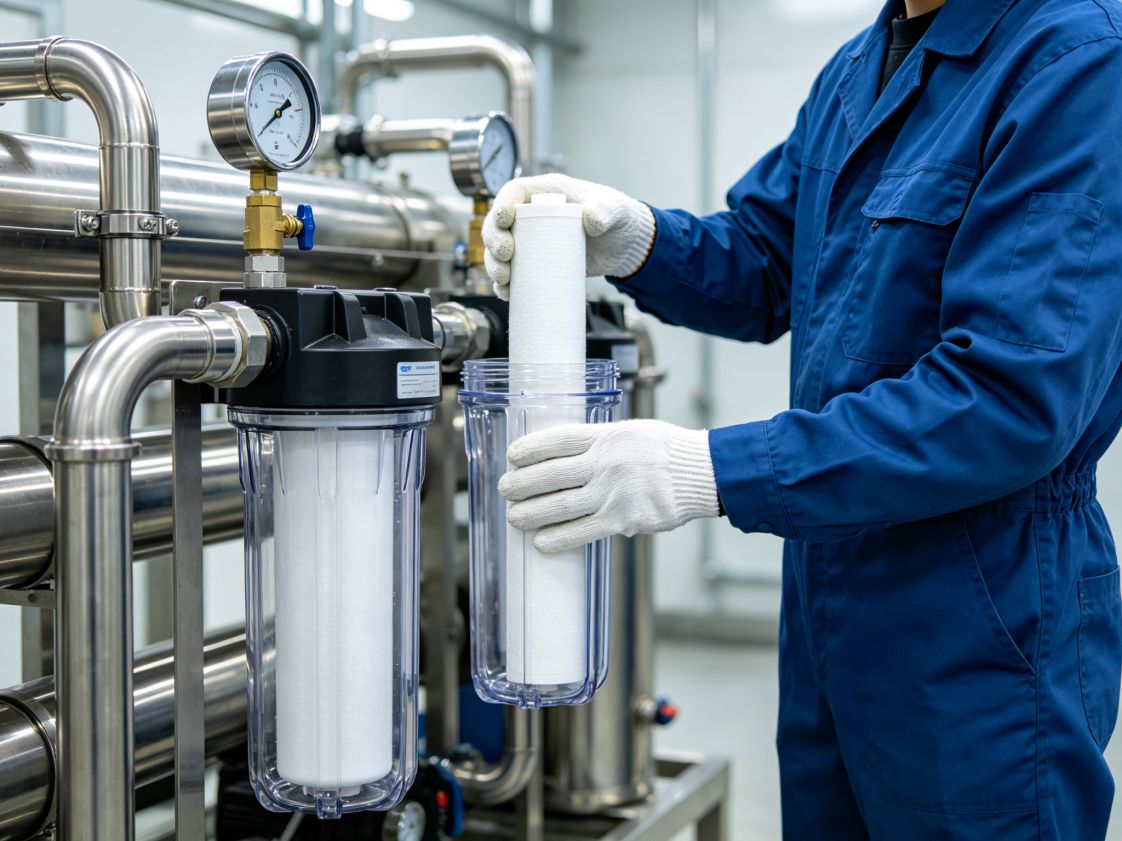
A PP melt-blown filter cartridge replacement service provider can take this task off your plate entirely. The general rule is to swap elements every three to six months, or sooner when the pressure differential across the housing climbs past the manufacturer's limit. A fresh cartridge shows a low starting pressure; as it loads up, that reading rises steadily. Track it on a simple log, and you'll never get stuck with a collapsed cartridge in the middle of a production run or a surprise outage.
Melt-Blown or Pleated?
If you need more surface area in the same housing, consider a pleated element instead. The hot selling pleated filter cartridge folds the media into pleats, so a 10-inch pleated cartridge carries several times more filtering surface than a melt-blown one of the same size. That usually means lower pressure drop and a longer service life, at a higher price per element. Many plants keep both in stock and switch between them depending on water quality and budget.
Buying From the Right Source
When you buy, it pays to deal with a melt-blown filter cartridge manufacturer for water treatment equipment directly. A factory controls fiber density and dimensional fit, keeps batch quality consistent, and can quote wholesale Melt-blown filter cartridge pricing that resellers can't touch. If you need steady supply, ask about stock programs, minimum orders, and lead times before you commit to a long contract.
The Short Version
None of this is complicated. A melt-blown cartridge is a simple product doing a simple job, and most filtration headaches in a water treatment line trace back to the wrong rating, a missed change, or a cheap element that wasn't made to spec. Start with the right cartridge, keep an eye on your pressure gauge, and the rest of the system will behave a lot better.