


How to Select Pleated Filter Cartridge for Industrial Liquid Filtration
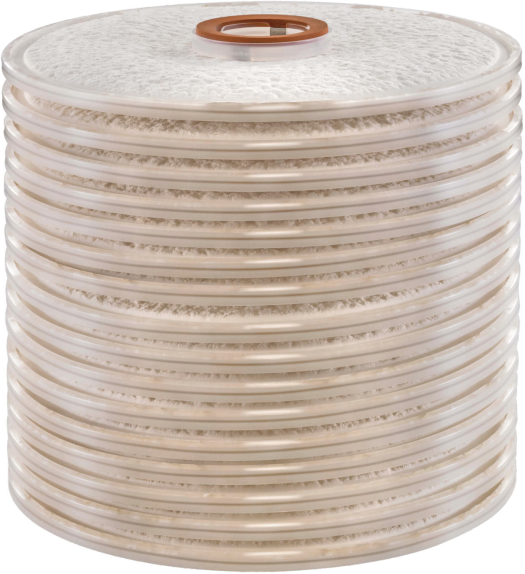
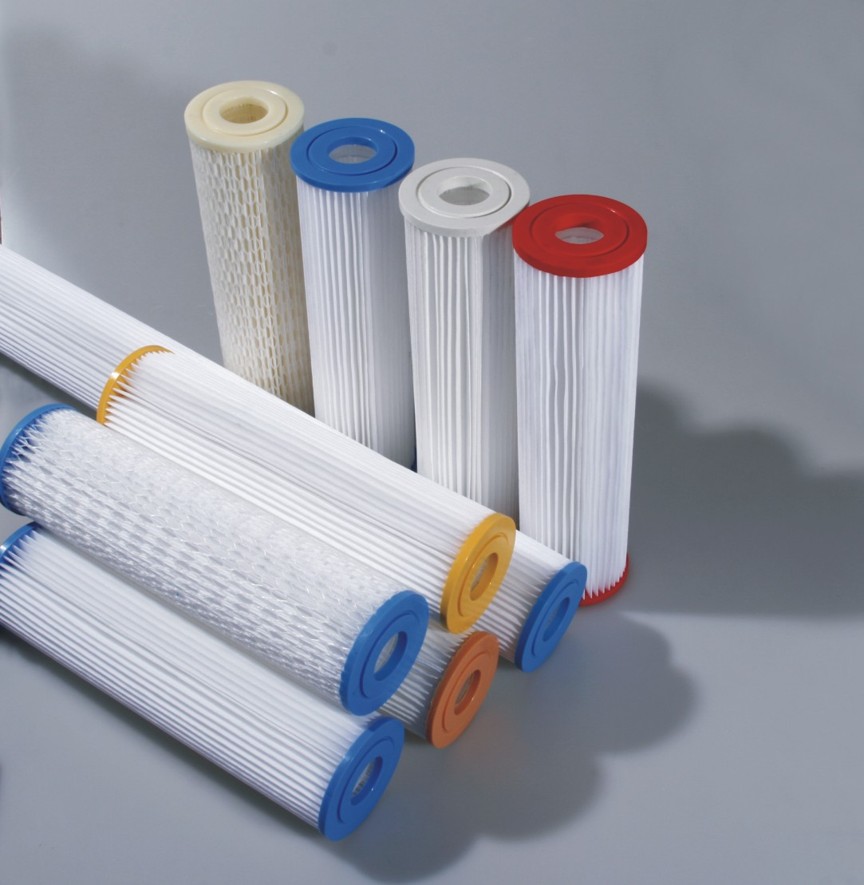
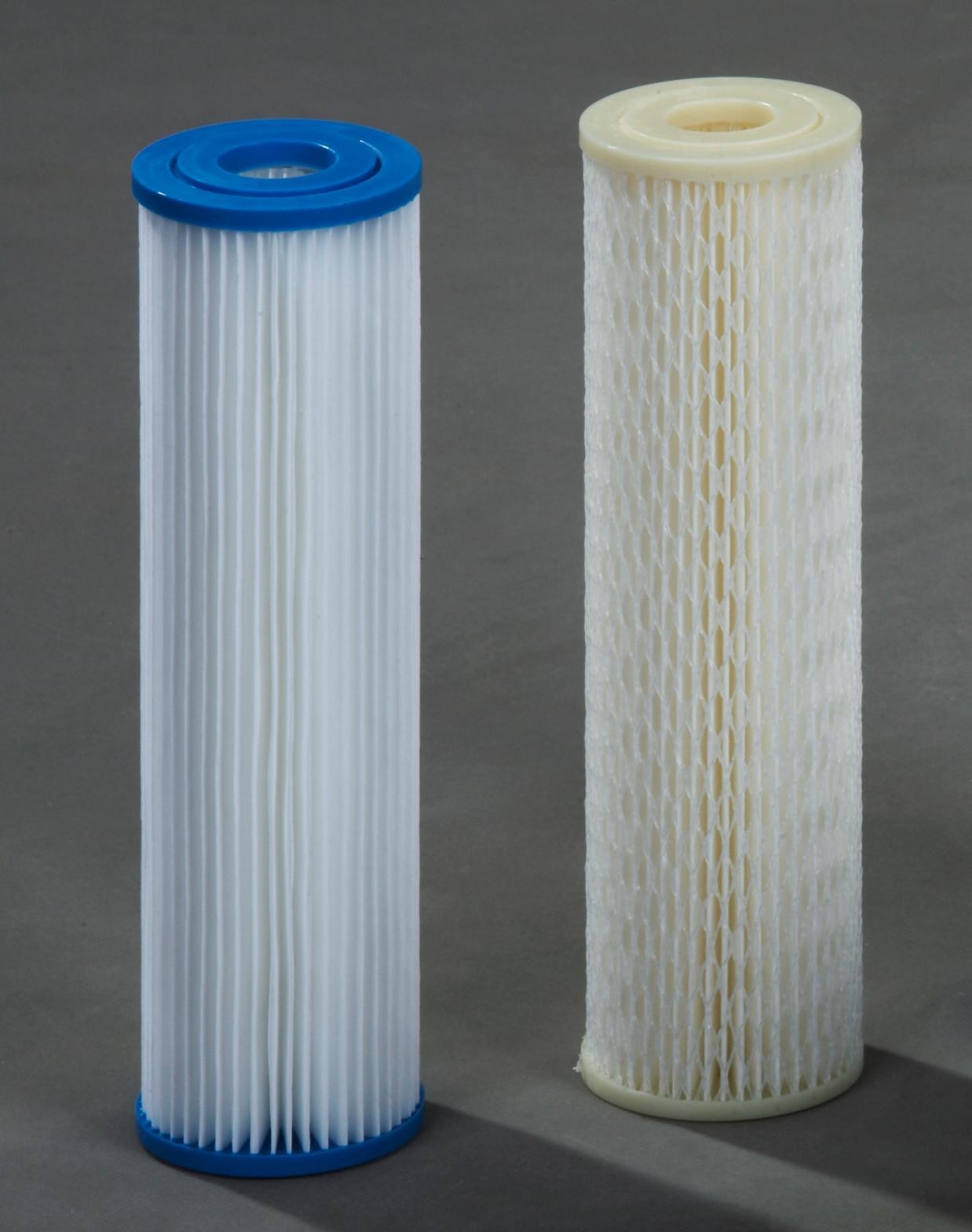
Pleated filter cartridges are widely utilised across diverse industrial liquid‑handling processes. Featuring folded filter media construction, these filter elements deliver substantially enlarged effective filtration area within standard filter cartridge dimensions. Compared with melt‑blown and wound depth‑type filter cartridges, pleated filter cartridges feature lower initial differential pressure, stable particle retention capacity, and extended service cycles. They are well‑suited for general pre‑filtration, clarification treatment in water treatment, reverse osmosis pre‑treatment, food & beverage production, chemical processing and other industrial systems. Quite a number of plant operators encounter shortened filter service life, frequent replacement or unexpected fluid bypass contamination, simply because they select filters only based on micron rating without comprehensive evaluation of actual process operating conditions. Therefore, mastering the method to select proper pleated filter cartridges carries great practical significance for daily industrial fluid processing work.
Define Your Filtration Objectives First
Before placing bulk purchase orders, you need to clarify your core filtration goals. Confirm whether your requirement is coarse pre‑filtration, medium fine clarification or high‑efficiency particle removal. Different application objectives set basic requirements for filtration efficiency, filter media and structural configuration. A frequent misstep among purchasers is selecting the finest available pore size for all working scenarios. Excessively small micron rating will trigger rapid filter clogging, frequent cartridge replacement and higher long‑term operational cost, even though the filter satisfies laboratory particle retention performance data.
Contaminant properties of on‑site incoming fluid cannot be ignored: analyse particle size distribution, solid loading capacity, and check if colloidal or gel‑like contaminants exist. For fluid streams with high sediment and heavy solid load, installing upstream pre‑filters for protection is recommended, so as to prolong the service cycle of pleated filter cartridges.
Verify Chemical Compatibility of Filter Media
Media chemical compatibility is one of the most critical factors during selection. Common pleated filter media materials include polypropylene (PP), polyester (PET), glass fiber and other options. Each material has its respective limits on applicable pH range, maximum operating temperature and solvent tolerance.
Polypropylene (PP) performs reliably for most aqueous solutions as well as dilute acids and alkalis, delivering cost‑effective performance for general industrial filtration. Polyester (PET) pleated cartridges feature large dirt‑holding capacity, ideal for general water treatment, RO pre‑filtration and common chemical fluid filtration. Glass‑fiber media excels at particle capture for special process fluids. Improper media selection may result in membrane swelling, material fibre shedding or chemical degradation, turning the filter itself into a source of secondary contamination. Always refer to chemical resistance reference charts against your real‑process fluid to complete compatibility confirmation.
Differentiate Nominal and Absolute Micron Ratings
It is essential to tell nominal micron rating apart from absolute micron rating. Nominal micron rating represents partial particle interception performance, while absolute‑rated pleated filter cartridges provide guaranteed high‑efficiency retention for particles of target size, which is mandatory for scenarios requiring strict fluid cleanliness. Do not merely rely on marking printed on filter housing; request and review supplier’s test reports for performance verification.
Match Dimensions, End‑Cap Interface and Seal Material
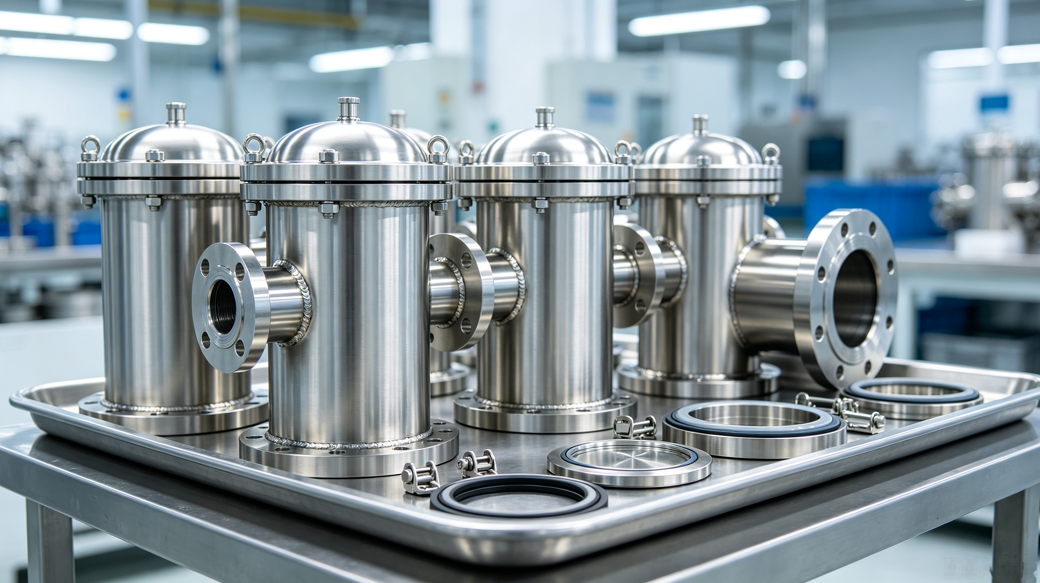
Physical size and sealing configuration must not be overlooked. Standard available lengths include 10‑inch, 20‑inch, 30‑inch and 40‑inch to fit existing filter housings. Multiple end‑cap styles such as DOE, 222 and 226 fin shall perfectly match the interface of your filter housing.
O‑ring seal material is equally vital; available options cover silicone, EPDM, Buna‑N and Viton for different temperature and chemical environments. Mismatched sealing components will cause fluid bypass. Even with premium filter media, you cannot achieve expected filtration result if leakage occurs at sealing positions.
Balance System Flow Rate and Differential Pressure
System flow throughput and allowable differential pressure are key decision‑making references. Pleated structure provides larger filtration area to support higher flow rate under lower pressure drop. When system flow demand increases, evaluate whether longer‑length filter cartridges or multi‑cartridge filter housing assembly is required.
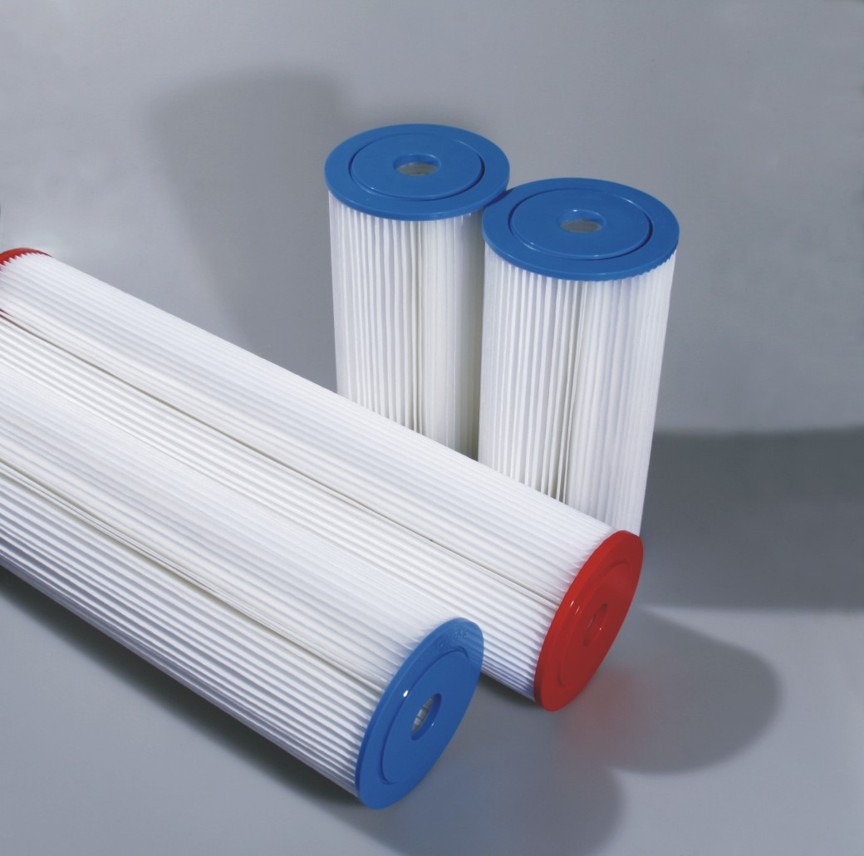
Keep monitoring differential pressure during running operation. Replace pleated filter elements once pressure difference reaches the threshold specified by manufacturer, instead of adopting rigid fixed‑time maintenance schedules.
Focus on Certification Documentation and Trial Testing
For industries with compliance requirements, pay attention to relevant certification documents and batch traceability records. For food‑contact fluid processing, request supporting compliance files as required. When dealing with new or complex working conditions, obtain sample cartridges from suppliers and carry out on‑site trial operation before large‑volume procurement.
Practical Guidance for On‑Site Industrial Application
Datasheet theoretical parameters cannot fully substitute real‑site verification, even after you have learned core selection rules for pleated filter cartridges. Communicate sufficiently with filter technical engineers and provide complete process information: fluid composition, operating temperature, pH value, system flow rate, contaminant category and existing filter housing specifications. Sufficient process information helps suppliers recommend the most suitable model and avoid costly on‑site equipment failure.
Properly selected pleated filter cartridges stabilise process fluid cleanliness, lower product scrap ratio and reduce overall operation cost for production plants. Inappropriate filter selection will lead to unplanned downtime and hidden quality risks. Comprehensive assessment covering application requirements, media chemical compatibility, micron‑rating efficiency, physical fitting condition and on‑site trial test helps you select well‑matched pleated filter cartridges for your industrial liquid filtration processes.