


How to Select Micro Pleated Filter Cartridge
How to Select Micro‑Pleated Filter Cartridge for Industrial Liquid Filtration
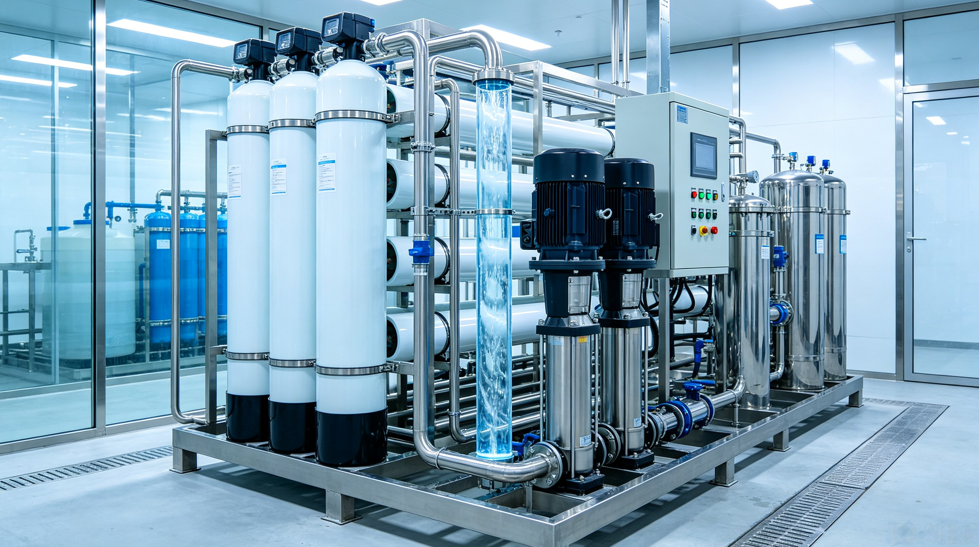
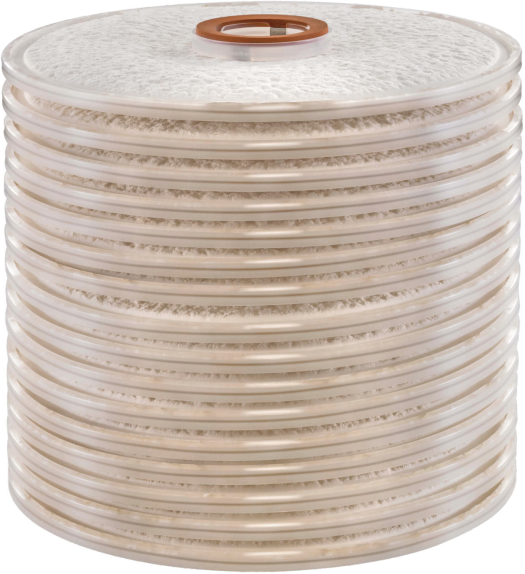
Micro‑pleated filter cartridges are widely adopted across industrial liquid processes. Thanks to folded microporous membrane structure, these elements deliver large effective filtration area within standard cartridge dimensions. Compared with melt‑blown or wound depth cartridges, micro‑pleated filters maintain lower initial differential pressure, provide stable particle retention performance, and fit for critical pre‑filtration and final polishing work in food & beverage, pharmaceutical, semiconductor, chemical processing and water treatment systems. Many plant engineers end up with shortened service life or unexpected bypass contamination simply because they pick cartridges only by micron number without checking full‑scope operating parameters. That makes how to select micro‑pleated filter cartridge a practical topic for daily process‑fluid work.
Start with Clear Filtration Application Goals
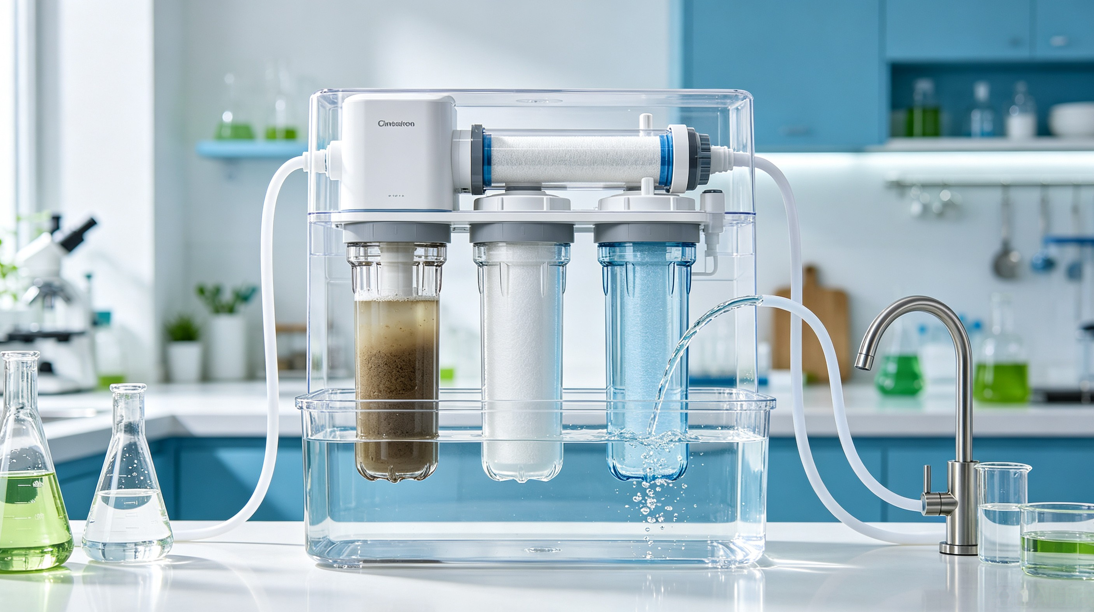
Before placing purchase orders, users should start with clear application goals. Confirm whether the task is general pre‑filtration, fine clarification or sterile‑grade particle removal. Different targets set baseline requirements for efficiency, material and construction. Some buyers make the common mistake of choosing the smallest available micron rating for all scenarios. Too‑fine pore size brings fast clogging, frequent cartridge replacement and higher long‑term operating cost, even if the filter meets lab particle‑capture data. Real‑world contaminant characteristics matter greatly: check particle size distribution, solid load, and whether colloidal or gel‑like substances exist in the incoming fluid. High‑sediment heavy‑duty streams may require pre‑filter protection upstream to extend micro‑pleated element service cycles.
Check Media Chemical Compatibility
Material compatibility ranks among the most critical selection items. Common micro‑pleated media options include polypropylene (PP), polyethersulfone (PES), polytetrafluoroethylene (PTFE) and nylon. Each material has its own working limits for pH range, maximum temperature and solvent resistance. Polypropylene works well for most aqueous solutions, dilute acid and alkali, with good cost performance for general‑purpose industrial filtration. PES suits hot‑water circulating loops and steam‑sterilizable process lines. PTFE handles aggressive organic solvents and strong corrosive fluids, and users must distinguish between hydrophilic and hydrophobic grades for proper liquid wet‑up. Wrong media selection will cause membrane swelling, material shedding or chemical decomposition, turning the filter itself into an internal contamination source. Always cross‑reference chemical resistance charts against your actual process liquid.
Distinguish Nominal and Absolute Micron Ratings
Next, tell apart nominal and absolute micron ratings. Nominal micron value means partial particle retention, while absolute‑rated micro‑pleated cartridges guarantee high‑efficiency capture for defined‑size particles, which is necessary for semiconductor UPW loops or pharmaceutical liquid filtration. Request supplier test reports for verification instead of trusting label numbers alone.
Match Dimension, End‑Connection and Seal Material
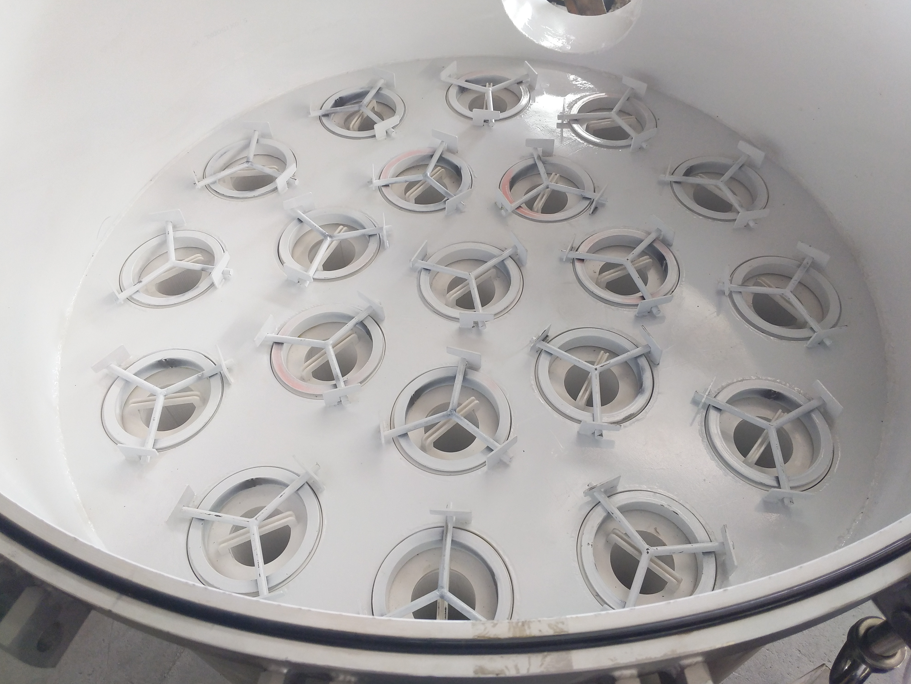
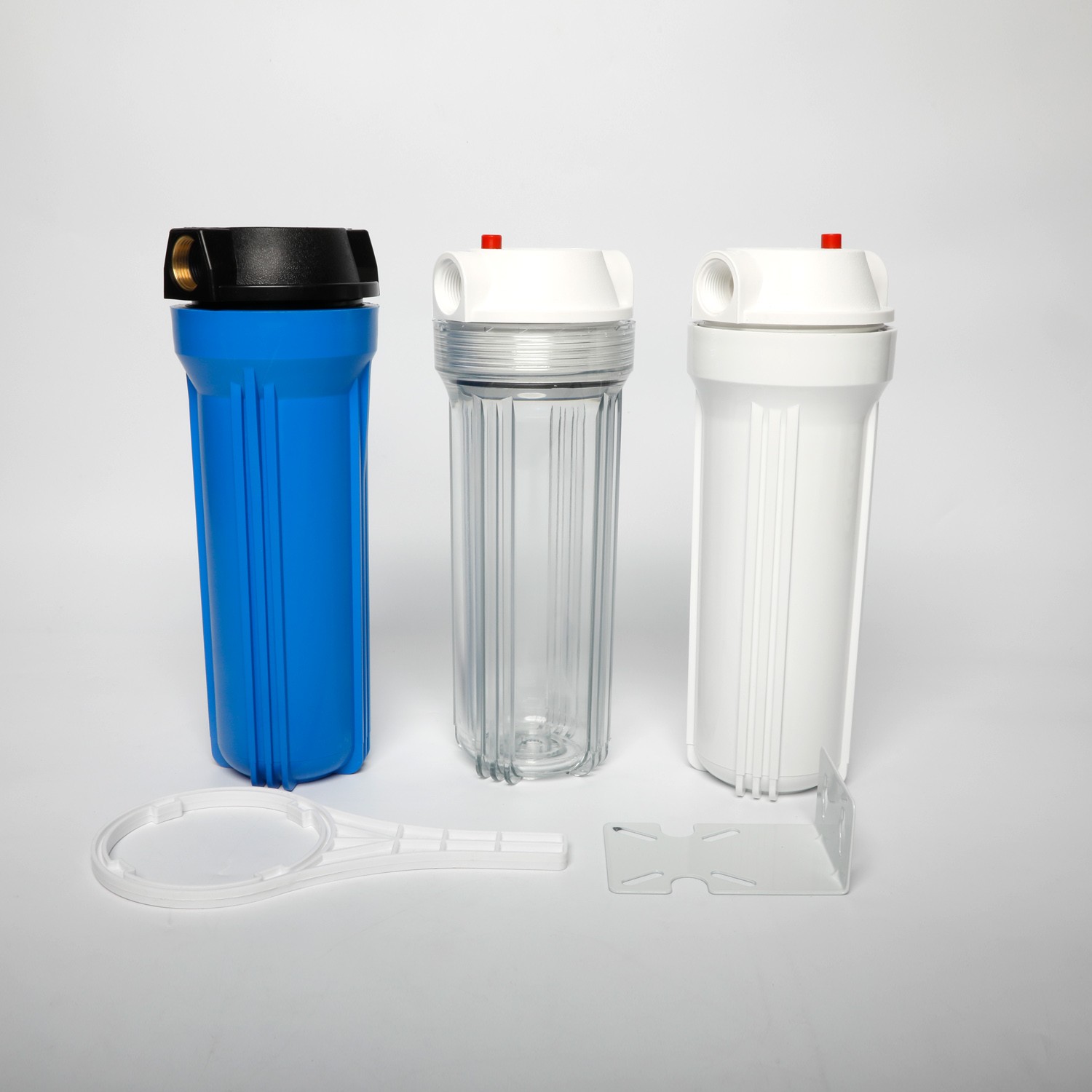
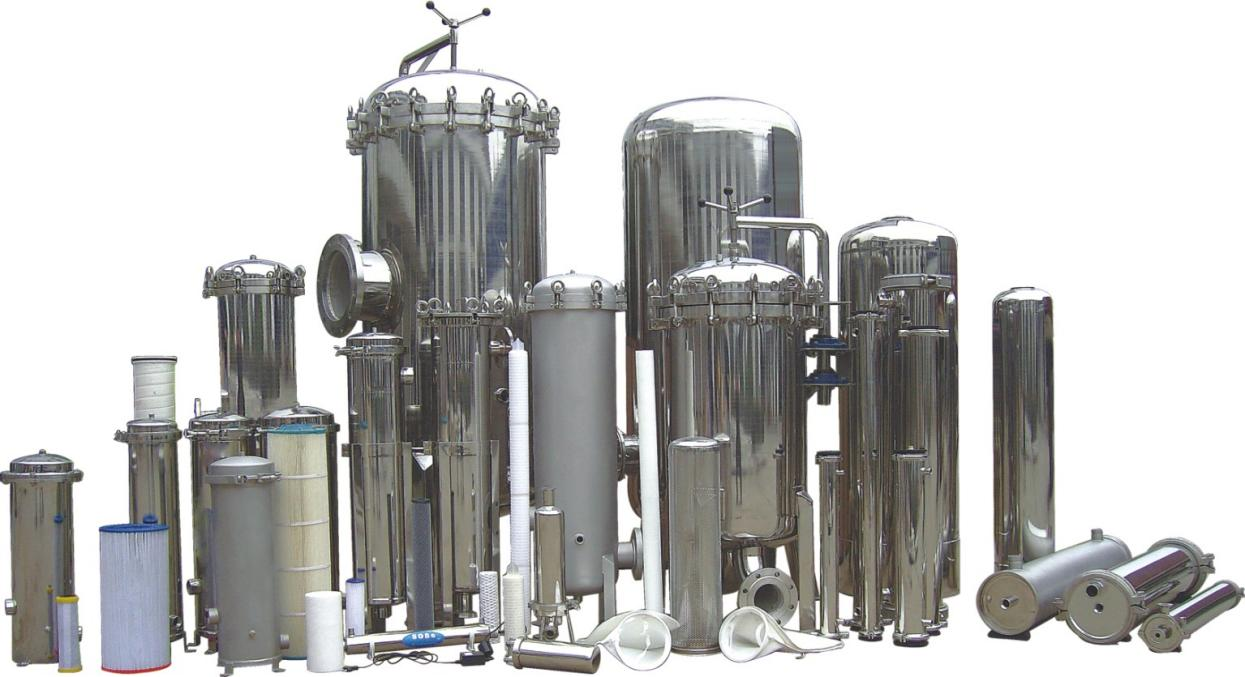
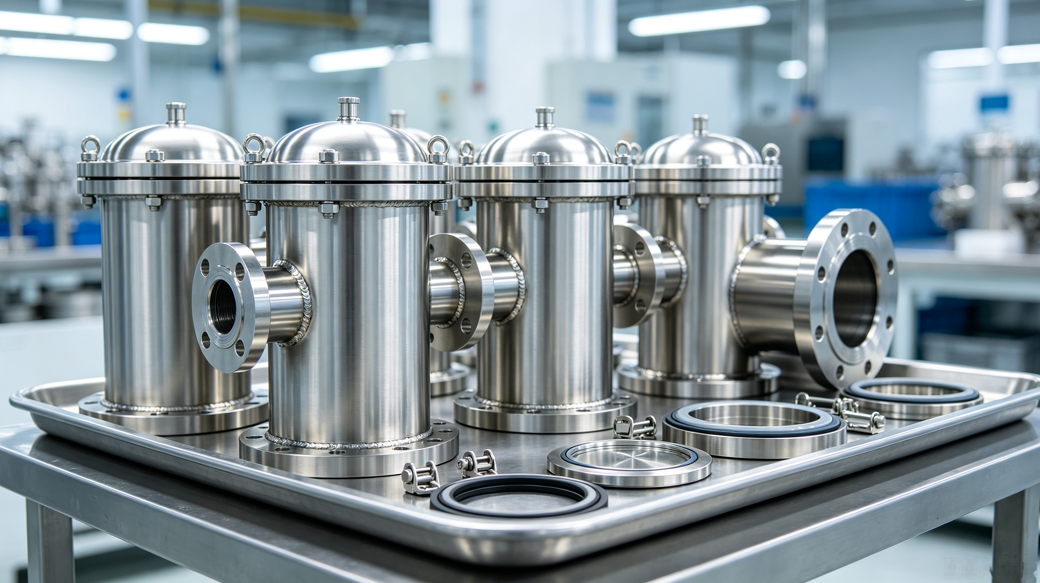
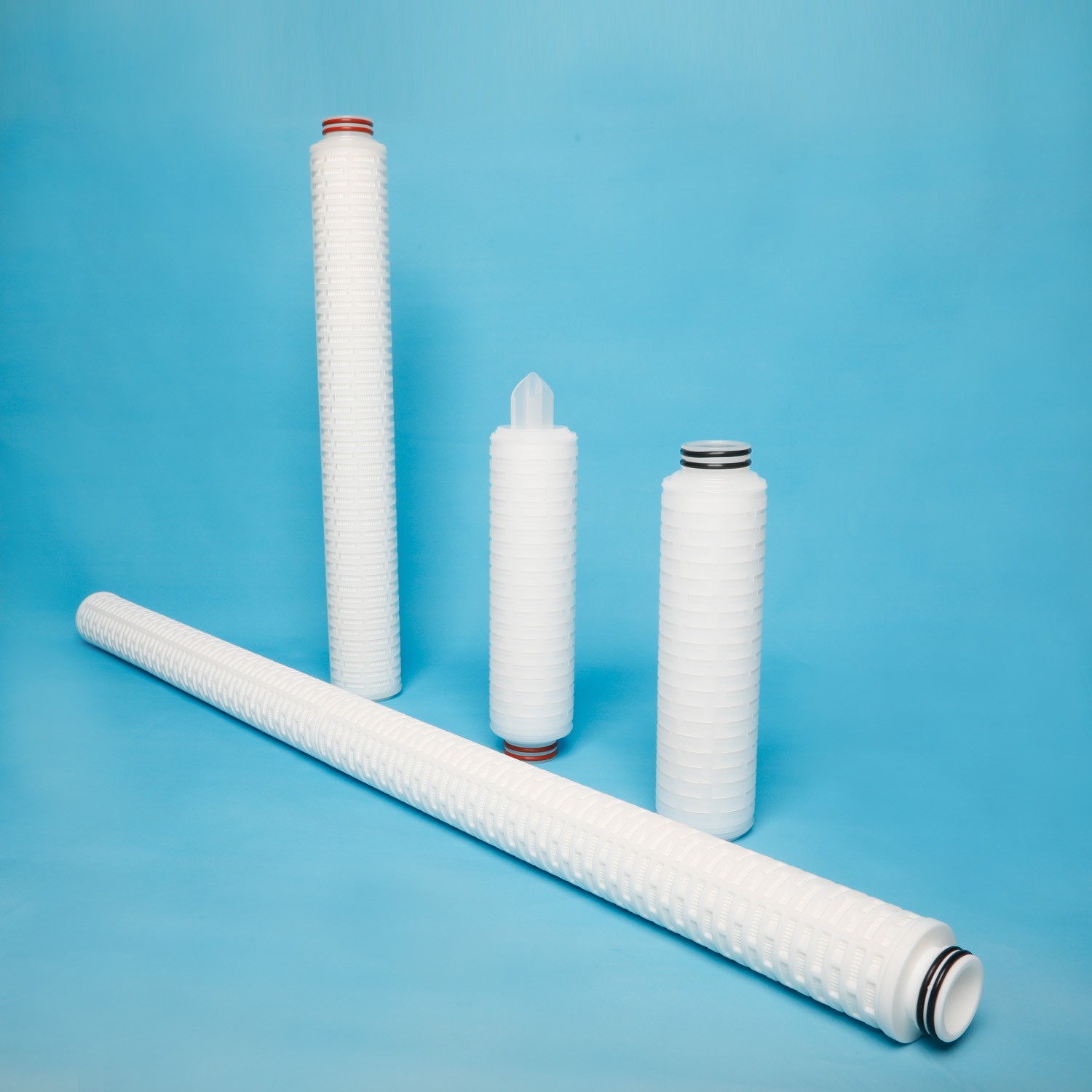
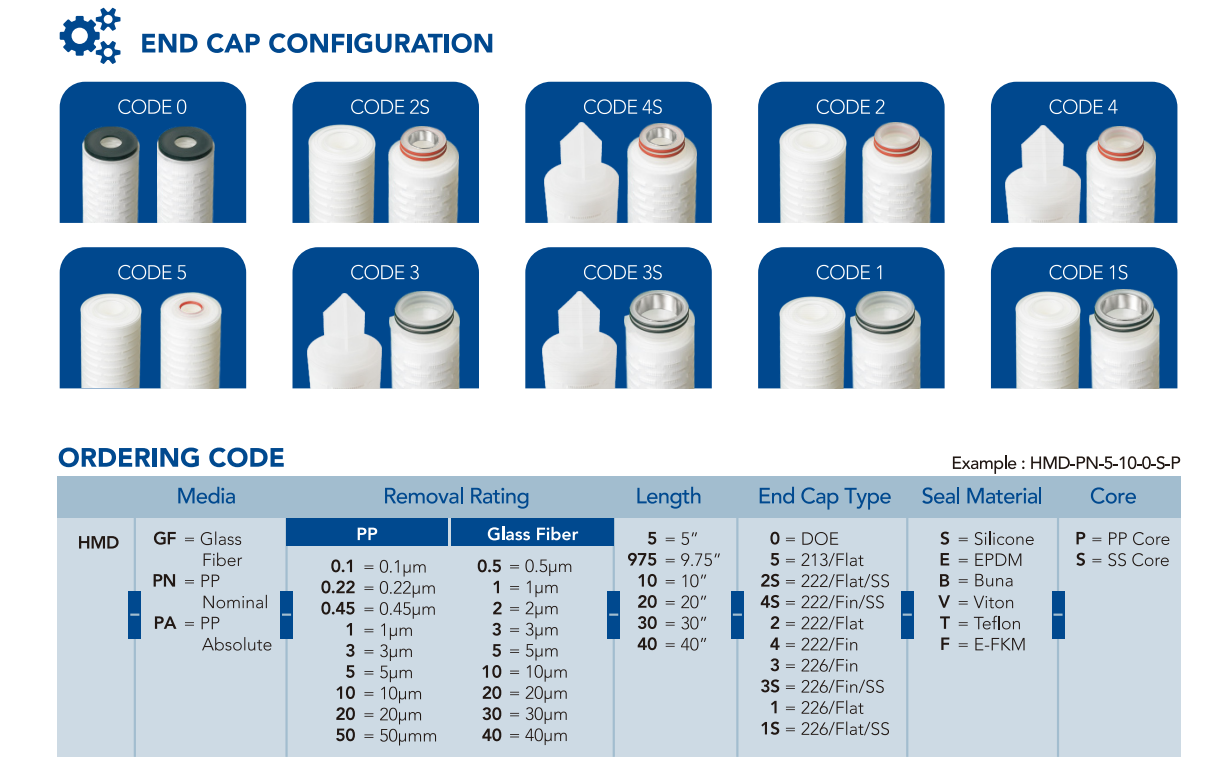
Physical dimension and sealing configuration cannot be overlooked. Standard lengths cover 10‑inch, 20‑inch, 30‑inch and 40‑inch to match existing filter housings. End connections such as DOE, 222 and 226 fin must fit your housing interface perfectly. Equally important is O‑ring material: silicone, EPDM or Viton options serve different temperature and chemical environments. Mismatched seals create fluid bypass, so filtration never reaches expected effect no matter how good the filter media performs.
Balance Flow Rate and Differential Pressure
System flow rate and allowable differential pressure also shape final decisions. Larger pleat area supports higher flow under lower pressure drop. When system throughput rises, evaluate if longer‑length cartridges or multi‑cartridge housing assembly is needed. Track differential pressure during operation; replace elements once pressure difference hits manufacturer recommended threshold, rather than following rigid fixed‑calendar maintenance.
Certification, Traceability and Sample Testing
Certification and traceability deserve attention for regulated industries. Food‑contact, biopharma and electronics‑grade projects need relevant compliance documentation, batch records and low‑extractables test data. If you face new or complicated working conditions, ask vendors to supply physical samples for on‑site trial runs before bulk procurement.
Final Thought for Real‑World Industrial Use
Even after you finish reading core principles around how to select micro‑pleated filter cartridge, keep in mind that theoretical parameters on datasheets cannot replace real‑site verification. Work closely with filter application engineers and share full‑set operating information: fluid composition, working temperature, pH value, flow rate, contaminant type and existing housing size. Complete condition input helps suppliers narrow down suitable models and avoid costly on‑site failures.
Well‑selected micro‑pleated filter cartridges stabilise process fluid cleanliness, reduce scrap rate and cut total ownership cost for production facilities. Unfit choices bring unexpected downtime and hidden quality risks. Systematic checking from application target, media compatibility, micron efficiency, physical fitting to on‑site trial will support you to find fit‑for‑purpose filtration elements for your industrial processes.