


How to Select Capsule Filter for Industrial Liquid & Gas Filtration
Capsule filters are compact, all‑in‑one disposable filtration units widely adopted across pharmaceutical, chemical, microelectronics, paints & coatings and precision process industries. Integrating filter media, support cage and housing into a single thermally‑welded assembly, capsule filters eliminate the need for separate filter housings. Compared with conventional replaceable filter cartridges, capsule filters deliver simplified installation, reduced risk of fluid exposure, no housing cleaning requirement, and minimised cross‑contamination risk. Many process engineers run into premature blockage, leakage or poor filtration performance because they only focus on micron grade without evaluating connection type, media compatibility and actual process conditions. Hence, systematic capsule filter selection is critical for reliable liquid and gas processing operations.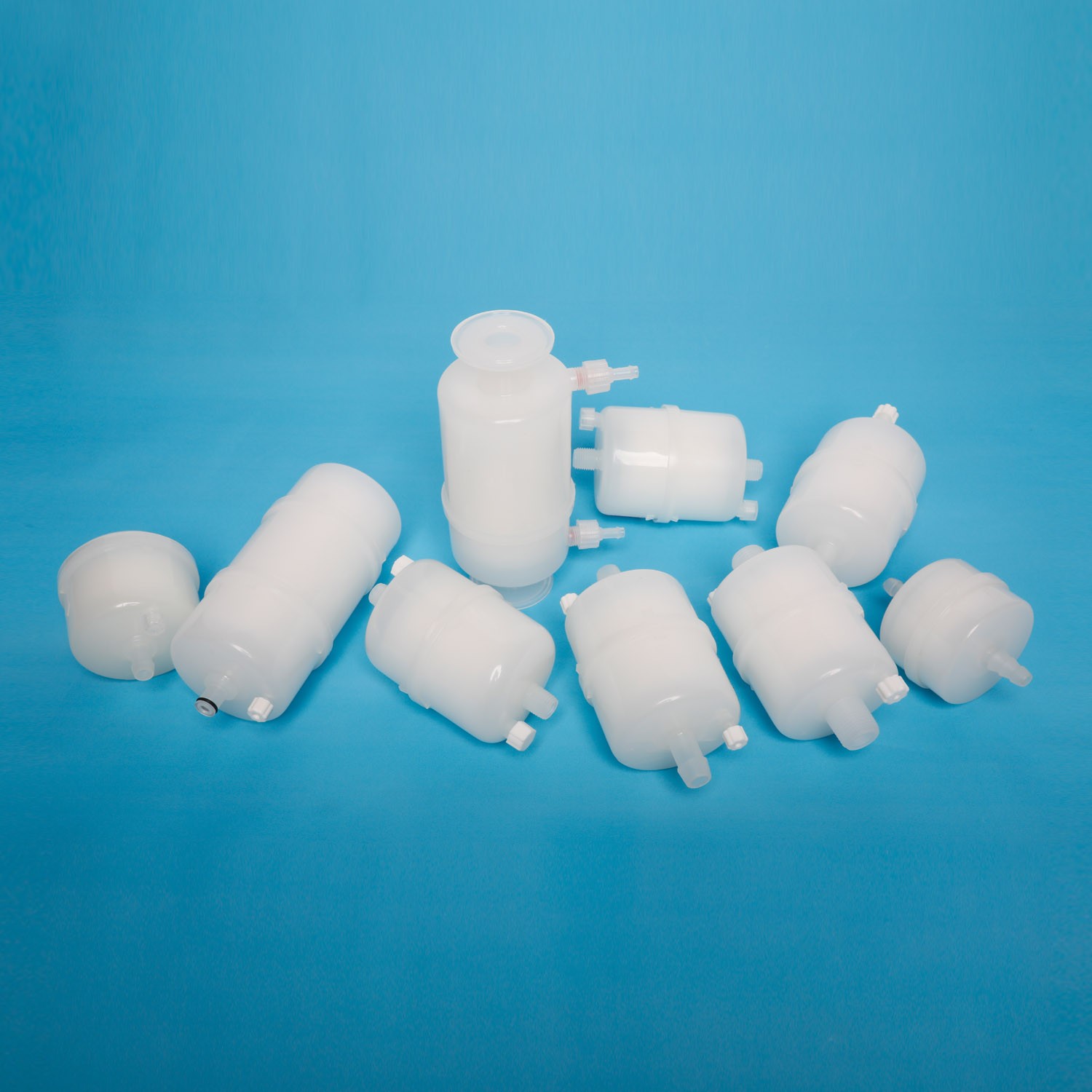
Clarify Filtration Application Requirements First
Before ordering capsule filters, define your core application objectives clearly. Confirm whether the task is general pre‑filtration, fine clarification, sterile particle removal or gas filtration. Different targets set baseline requirements for filter efficiency, media type and flow capacity.
A typical mistake is specifying an overly fine pore size blindly. Too‑low micron rating brings rapid clogging, frequent replacement and higher overall operating cost, even when lab test data meets particle retention targets. Characterise your incoming fluid or gas: check particle size distribution, solid load, and whether colloidal, gel‑like or aggressive chemical components exist. For heavily contaminated streams, consider adding pre‑treatment upstream to extend capsule filter service life. Special attention is required for toxic, hazardous fluids: the closed capsule design helps operators avoid direct contact with process media, improving operational safety.
Evaluate Filter Media Chemical Compatibility
Chemical compatibility is one of the most decisive selection criteria. Common capsule filter media include Polypropylene (PP), Polyethersulfone (PES), PTFE (hydrophilic & hydrophobic grades), Nylon 66 and Glass Fiber. Each material has distinct limits for pH range, maximum operating temperature and solvent resistance.
Polypropylene (PP): Suited for most aqueous solutions, dilute acids and alkalis; versatile for general‑purpose liquid filtration.
Polyethersulfone (PES): Excellent for hot liquid loops and sterile filtration applications, delivers high flow rates for aqueous fluids.
PTFE: Handles strong corrosive fluids and aggressive organic solvents. Distinguish between hydrophilic grades for liquid service and hydrophobic grades for gas filtration.
Nylon 66: Good mechanical strength, suitable for specific solvent‑based liquid applications.
Glass Fiber: Preferred for high‑dirt‑load pre‑filtration and special process fluid particle removal.
Improper media selection will cause membrane swelling, fibre shedding or chemical degradation, turning the filter itself into a contamination source. Always cross‑check against chemical resistance charts with your real‑world process fluid or gas composition.
Distinguish Nominal vs Absolute Micron Ratings
Understand the difference between nominal and absolute micron ratings. Nominal rating represents partial particle retention performance, while absolute‑rated capsule filters guarantee high‑efficiency capture of target‑size particles, essential for pharmaceutical, microelectronics ultrapure fluid and critical coating filtration. Do not rely solely on printed labels; request supplier test reports to verify retention performance for your critical applications.
Match Dimensions, Port Connections and Seal Configuration
Physical fit cannot be overlooked for capsule filters, as incorrect port selection will cause installation failure or fluid bypass. Capsule filters are available in multiple body lengths and outer diameters. A wide range of inlet/outlet fittings are offered: NPT threads, hose barb (HB), TC tri‑clamp, CPC quick‑connect, Luer lock, SWG flare connections and more. Some models integrate built‑in vent and drain ports for venting trapped air or liquid purging.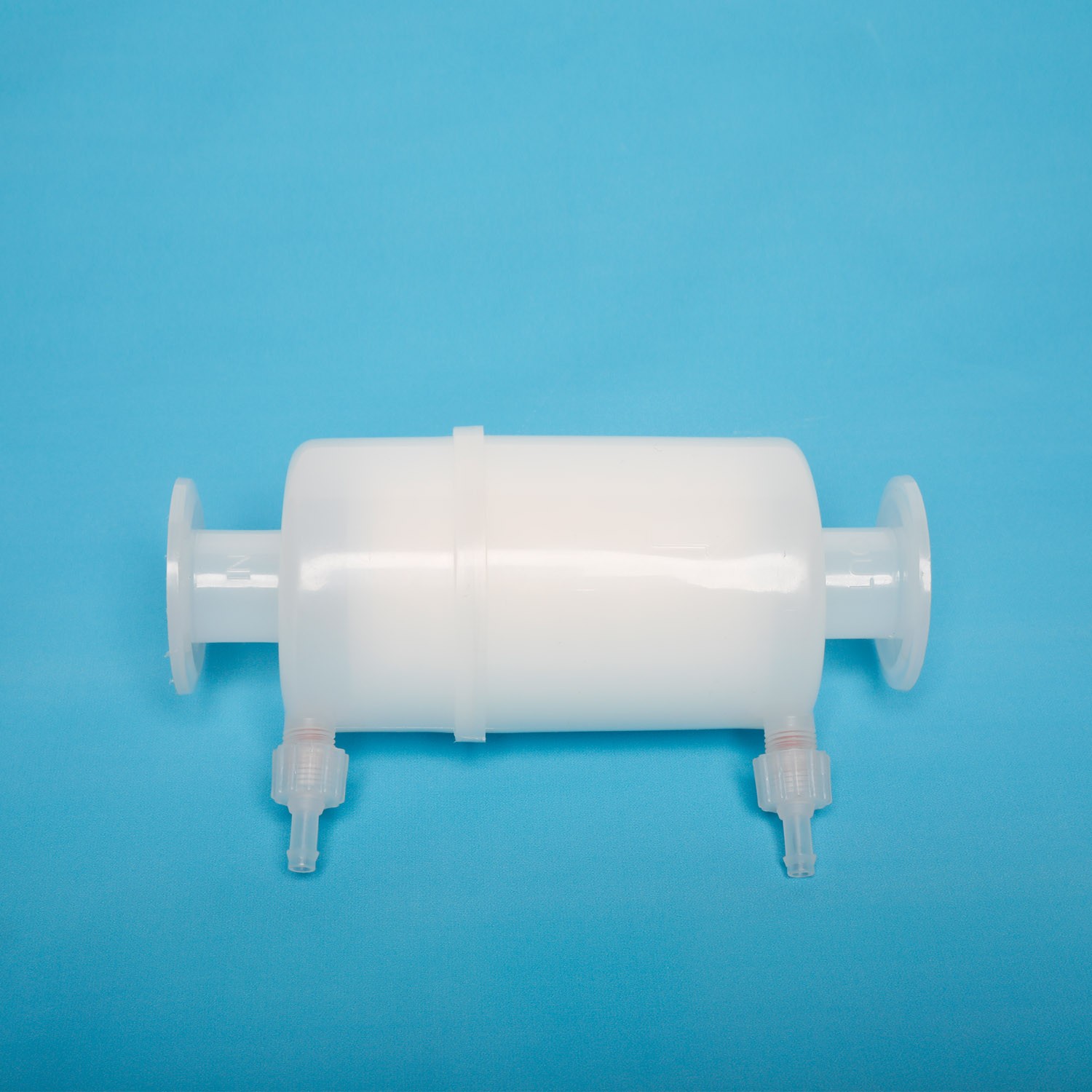
Seals are formed by thermal welding for most capsule designs; confirm seal material such as EPDM or E‑FKM matches process temperature and chemical environment. Mismatched connection style or incompatible sealing material leads to leakage. Even high‑performance filter media cannot deliver expected results if bypass occurs at ports.
Balance Flow Rate, Differential Pressure and Service Cycle
System flow rate and allowable differential pressure govern filter sizing. Larger capsule bodies provide bigger effective filtration area for higher flow and longer service cycles under lower pressure drop. When throughput increases, select appropriate body size instead of only choosing small compact units.
Monitor differential pressure during operation. Replace the disposable capsule filter once pressure difference hits the manufacturer‑recommended threshold, rather than following rigid time‑based replacement schedules. For gas‑phase applications, confirm the media is rated for gas service to avoid poor wet‑up or unsatisfied particle removal efficiency.
Check Compliance, Traceability and Conduct On‑Site Sampling Testing
For regulated industries including pharmaceuticals and microelectronics, confirm product certifications, batch‑to‑batch traceability documentation and low‑extractables test data. When working with new or complex chemical formulations, obtain physical sample units from suppliers for on‑site trial runs before bulk procurement. Trials help validate clogging behaviour, chemical stability and real‑process flow performance.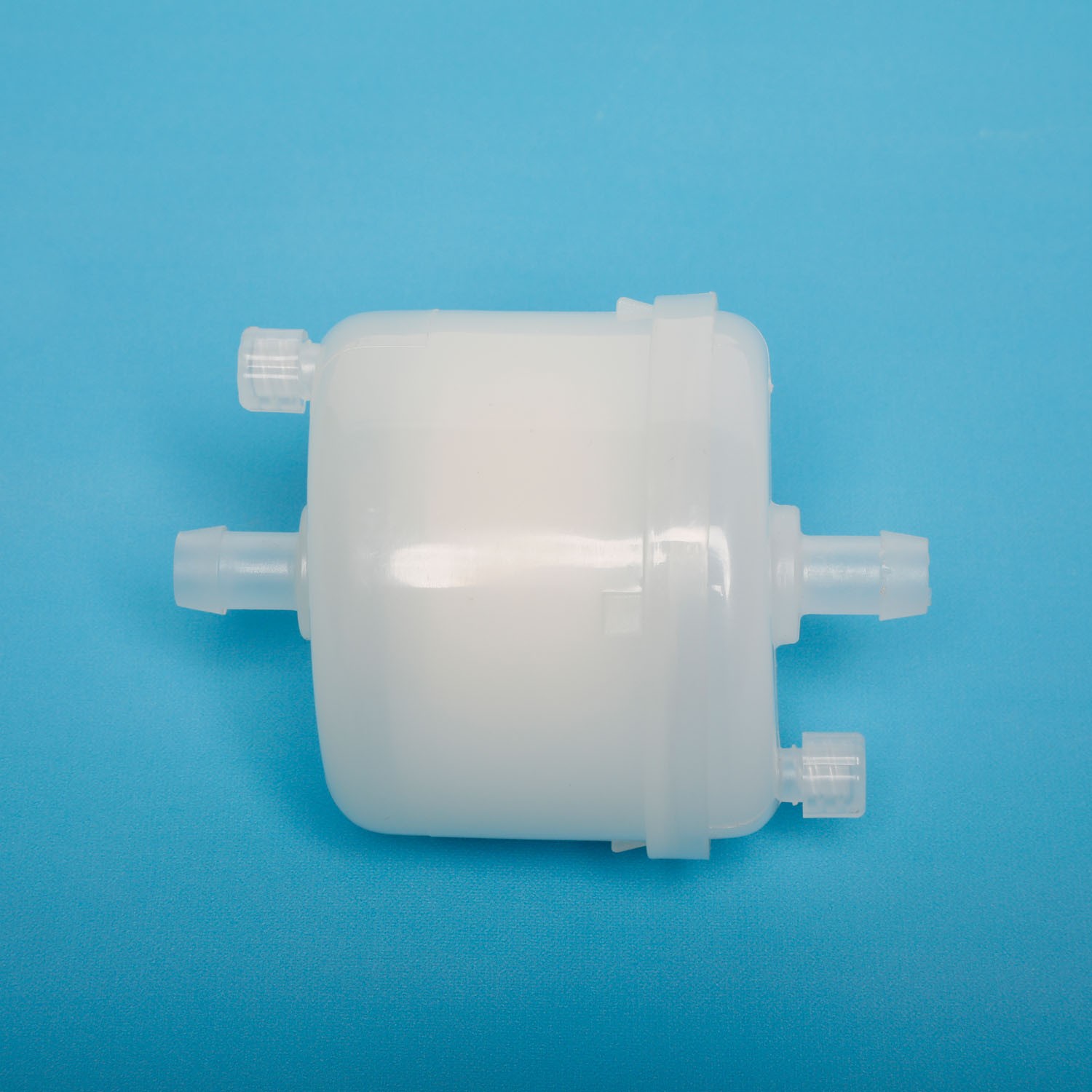
Real‑World Guidance for Industrial Deployment
Datasheet theoretical parameters cannot fully replace on‑site verification. Share complete operating conditions with filter application engineers: fluid/gas composition, working temperature, pH value, flow rate, contaminant properties, required port type and available installation space. Full‑set process information helps suppliers recommend the optimal capsule filter model and prevent costly field failures.
Well‑selected capsule filters stabilise process cleanliness, reduce product reject rates, simplify maintenance and lower total operating expenditure. Poor selection results in unexpected process shutdown, product contamination and hidden quality risks. Comprehensive assessment covering application goals, media compatibility, micron‑rating efficiency, port matching and practical on‑site trials enables you to select suitable capsule filters for your liquid and gas industrial filtration workflows.