


How to Choose the Right Industrial Filter Cartridge for Your Process
When customers contact us at Homay Filtration, one of the first questions we often hear is: “Which industrial filter cartridge should we use?”
The answer depends on the process.
An industrial filter cartridge needs to match the fluid, contaminants, flow rate, temperature, pressure and required filtration performance. A cartridge that works well for general water filtration may not be suitable for chemical processing or pharmaceutical applications.
Based on the filtration projects we work with, we normally look at several factors before recommending a cartridge.
Start With the Filtration Objective
First, we ask what the filtration system needs to achieve.
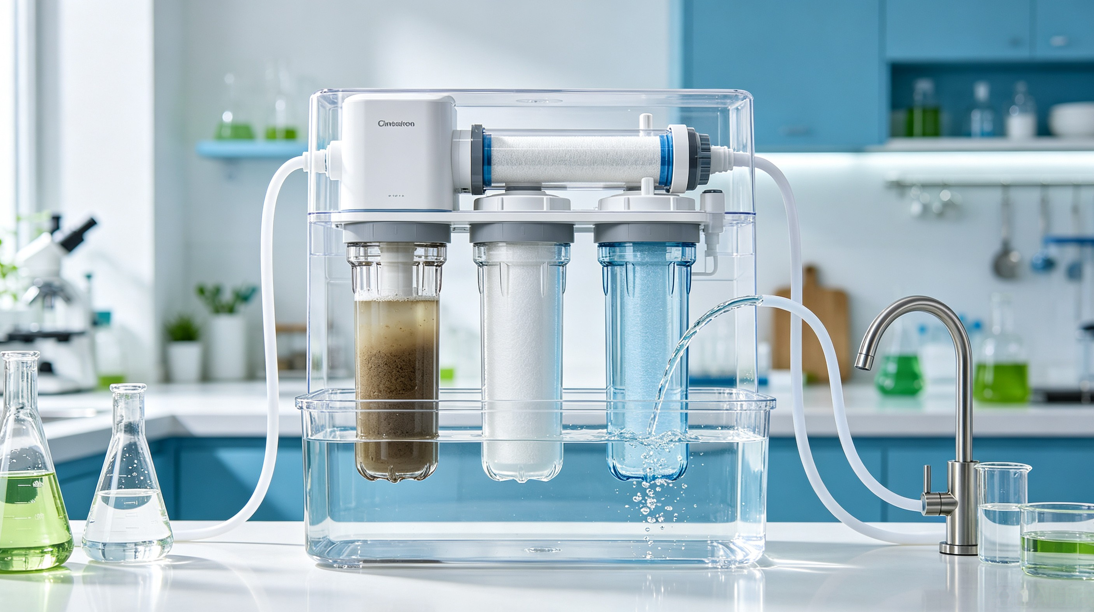
Some systems are designed to remove suspended solids from water. Others are used to protect RO membranes, clarify process liquids or provide fine filtration before the next production stage.
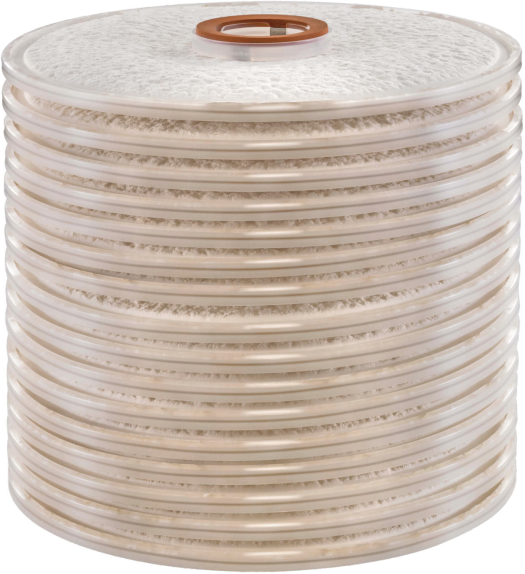
For general sediment filtration, a Melt Blown Filter Cartridge can be a practical option.
When a larger filtration area and stable flow are required, a Pleated Filter Cartridge may be more appropriate.
The filtration stage also matters. A prefilter does not necessarily need the same micron rating as a final filter.
Understand the Process Fluid
The fluid is one of the most important factors in filter selection. Before recommending filter media, we normally ask about:
- Fluid composition
- Temperature
- Pressure
- Viscosity
- pH
- Chemical concentration
- Contaminant type
- Required flow rate
Polypropylene is commonly used for many water-based applications, while other materials may be considered for more demanding chemical or temperature conditions. For chemical processing, material compatibility should always be checked before selecting the cartridge.
Don't Select a Filter by Micron Rating Alone
Customers sometimes tell us, “I need a 1-micron filter.” This is useful information, but it is not enough. We also need to understand whether the rating is nominal or absolute, what particles are being removed and where the cartridge is installed in the system.
A smaller micron number does not automatically mean better filtration. In many cases, a staged filtration system provides better overall performance.
Consider Flow Rate and Pressure Drop
Flow rate is another important consideration. A cartridge needs enough effective filtration area to handle the required flow without creating unnecessary pressure drop.
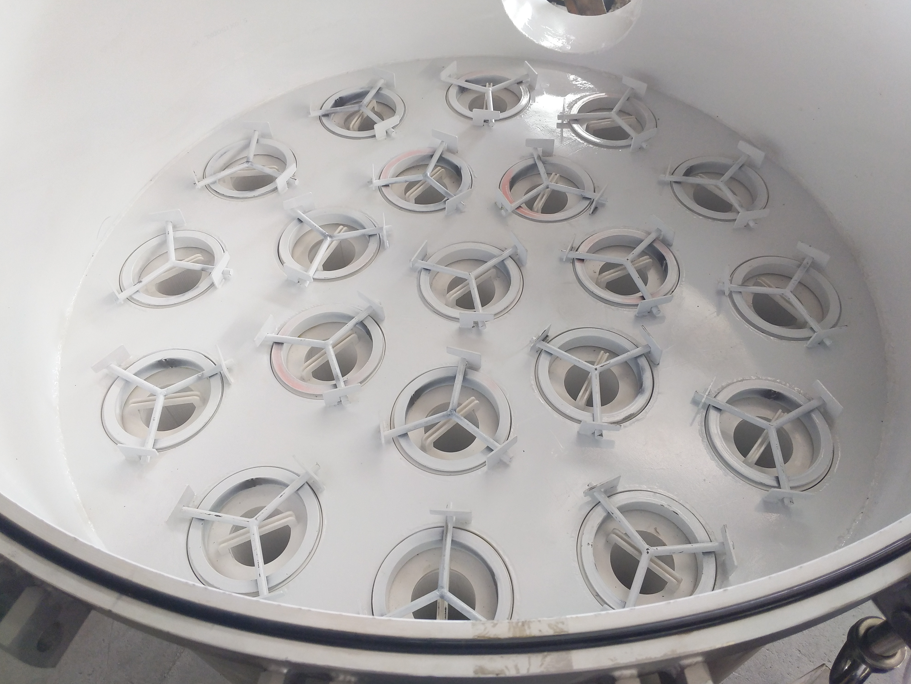
The folded media creates a larger filtration area within a compact cartridge. For higher-volume systems, a High Flow Filter Cartridge may also be worth considering.
Check Cartridge Compatibility
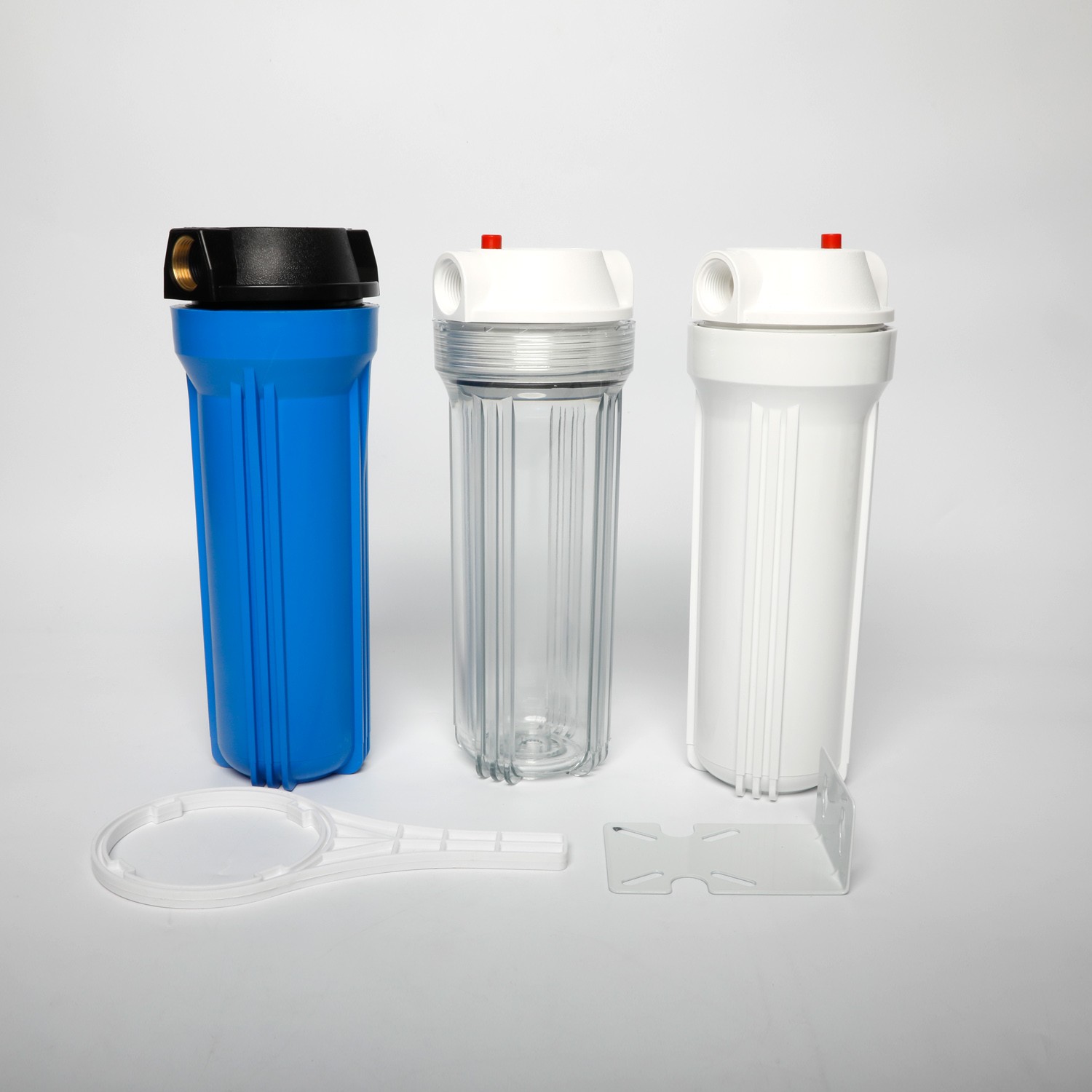
For replacement projects, we also check the existing cartridge and housing. Important information includes:
- Cartridge length & Diameter
- Connection type & Seal configuration
- Micron rating
- Housing model & Current cartridge model
Consider the Total Cost
We recommend looking beyond the purchase price. The practical cost should include:
What Should You Tell Your Filter Supplier?
- Fluid being filtered
- Flow rate
- Required micron rating (Nominal or absolute)
- Temperature & Operating pressure
- Contaminant type
- Existing dimensions, housing & model
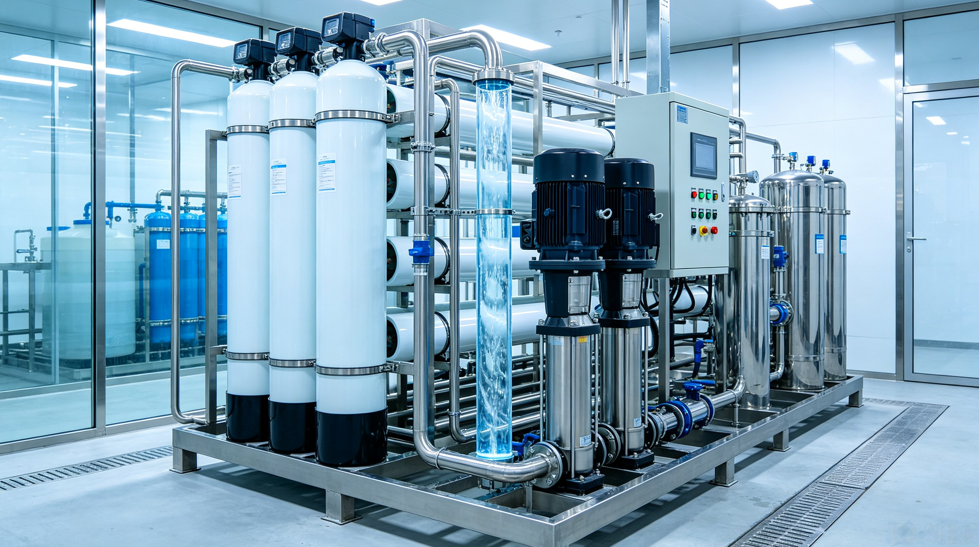
At Homay Filtration, we work with customers across water treatment, pharmaceutical, chemical processing, electronics, power generation and food and beverage applications.
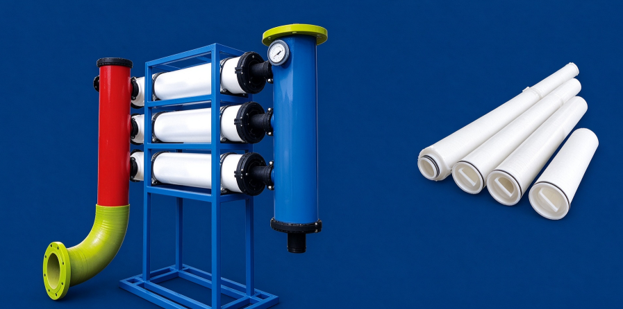
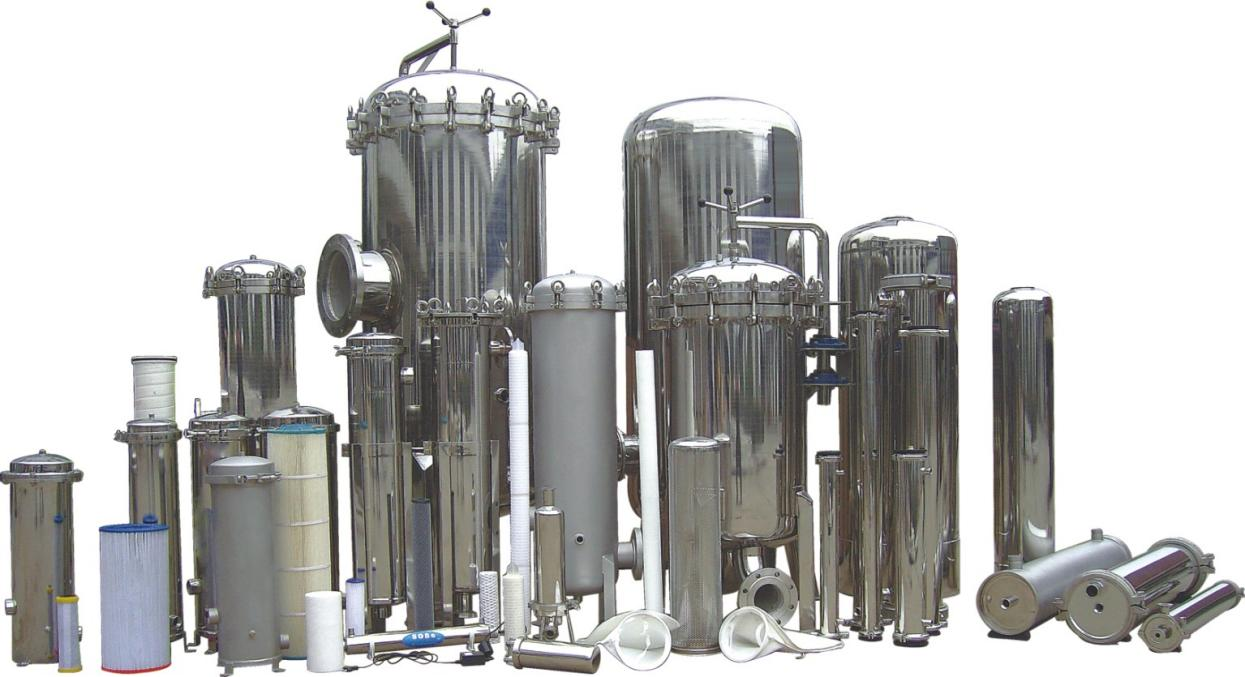
Our filtration range includes Pleated Filter Cartridges, Melt Blown Filter Cartridges, High Flow Filter Cartridges, filter bags and other specialized filtration products.
If you are unsure which cartridge is suitable for your process, send us the basic operating information and your existing filter details.
Homay Filtration
Website: https://www.homayfiltration.com/
Email: sales@homayfiltration.com