


How to Choose Filter Media for Chemical, Pharmaceutical and Food Processing
When we discuss filtration with customers in chemical, pharmaceutical or food processing, one of the first things we ask about is the fluid.
The reason is simple: filter media must be compatible with the process conditions.
A cartridge can have the right dimensions and micron rating but still be unsuitable if the filter material does not perform properly in the actual fluid.
At Homay Filtration, we work with different filter media and cartridge structures because industrial filtration requirements vary considerably from one process to another.
Polypropylene Filter Media
Polypropylene is widely used in liquid filtration, particularly for many water-based applications. It can be used in:
- Industrial water treatment
- RO pretreatment
- Chemical processing
- Food and beverage
- Pharmaceutical processes
- Electronics water treatment
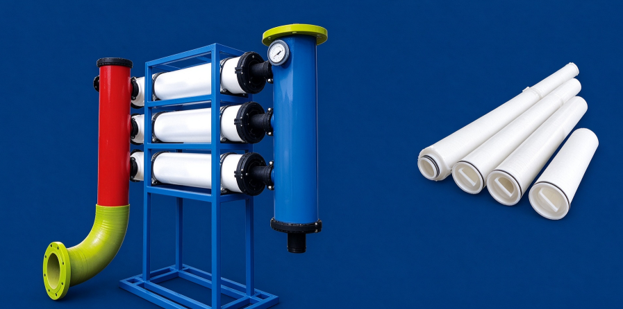
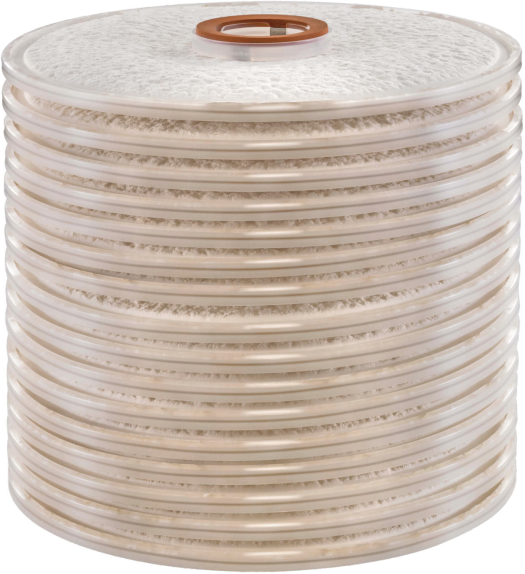
Polypropylene can also be used in different cartridge constructions, including pleated and melt blown filters.
For more information, see our Pleated Filter Cartridge – Internal Link and Melt Blown Filter Cartridge – Internal Link product ranges.
PET Filter Media
PET may be considered when its particular material characteristics match the operating conditions of the application. As with other polymeric media, we recommend evaluating temperature, chemical compatibility and process requirements before selecting the material.
Nylon Filter Media
Nylon is used in various liquid filtration applications where its material characteristics are appropriate. The actual compatibility depends on the fluid and operating environment, so we normally review the chemical composition before recommending a nylon-based cartridge.
PTFE Filter Media
PTFE is often considered for applications where strong chemical resistance is required. It may be suitable for certain demanding chemical filtration processes, but the complete cartridge construction should also be evaluated. The filter membrane is only one component of the finished filtration element.
Stainless Steel and Titanium
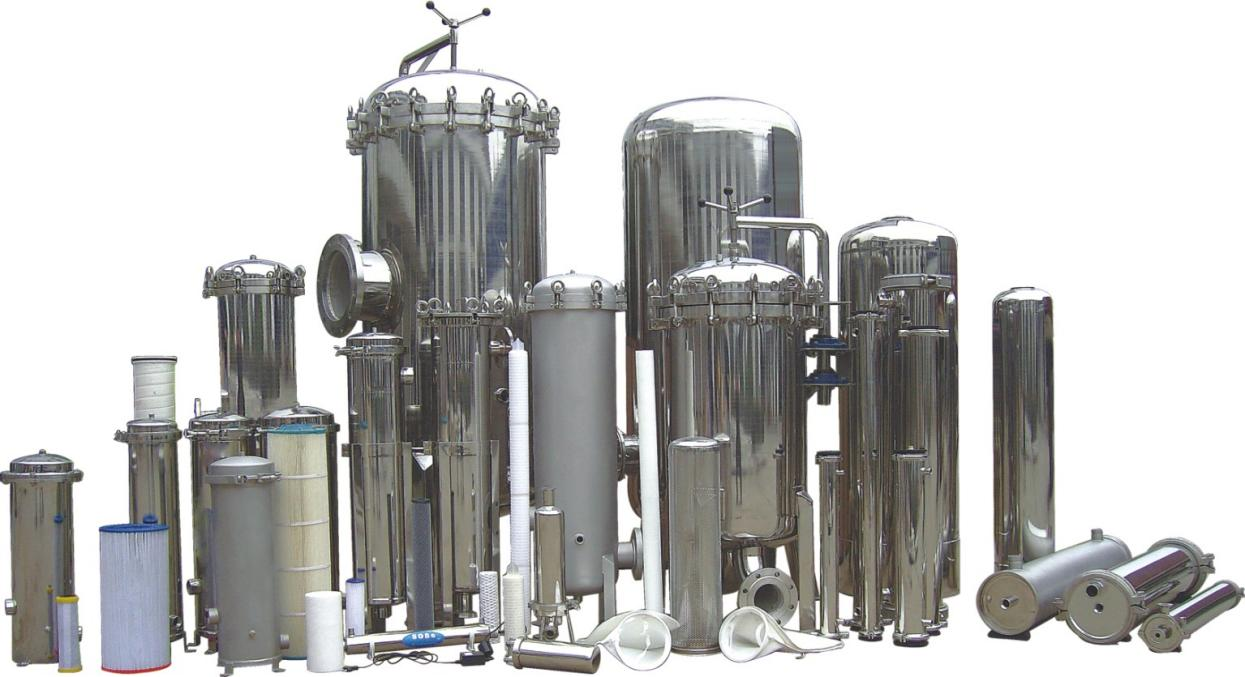
Some industrial processes require filtration elements with higher mechanical strength or resistance to demanding operating conditions. For these applications, metallic filter elements such as stainless steel or sintered titanium may be considered. They can be useful where the process involves conditions that are less suitable for conventional polymeric cartridges.
What Information Do We Need?
When we help a customer select filter media, we normally ask for several basic parameters.
Fluid
What liquid or chemical is being filtered?
Temperature
What is the normal and maximum operating temperature?
Pressure
What are the operating and differential pressure requirements?
Contaminants
What particles or other contaminants need to be removed?
Cleaning
Is the cartridge disposable, washable or intended for repeated cleaning?
Application
Is the filter being used for water treatment, chemical processing, pharmaceutical production, food and beverage or another process?
Pharmaceutical and Food Processing
For sensitive applications, filtration is about more than the micron rating. Depending on the process, customers may also need to evaluate:
- Material suitability
- Traceability
- Cleanliness
- Documentation
- Manufacturing controls
- Process requirements
The specific requirements should be determined according to the application and applicable regulations.
There Is No Universal Best Filter Media
Customers sometimes ask us which filter material is “best.” Our answer is usually that it depends on the process. Polypropylene may be suitable for one application, while PTFE, nylon, stainless steel or titanium may be more appropriate for another.
The correct filter media is the material that remains suitable for the fluid and operating conditions while delivering the required filtration performance. At Homay Filtration, we prefer to understand the application first and then recommend the filter construction and media.
Homay Filtration
Website: https://www.homayfiltration.com/
Email: sales@homayfiltration.com
2026.9.15
For a filter media recommendation, please send us the fluid, concentration, temperature, pressure, flow rate and required micron rating. Our team can then evaluate the application more accurately.