


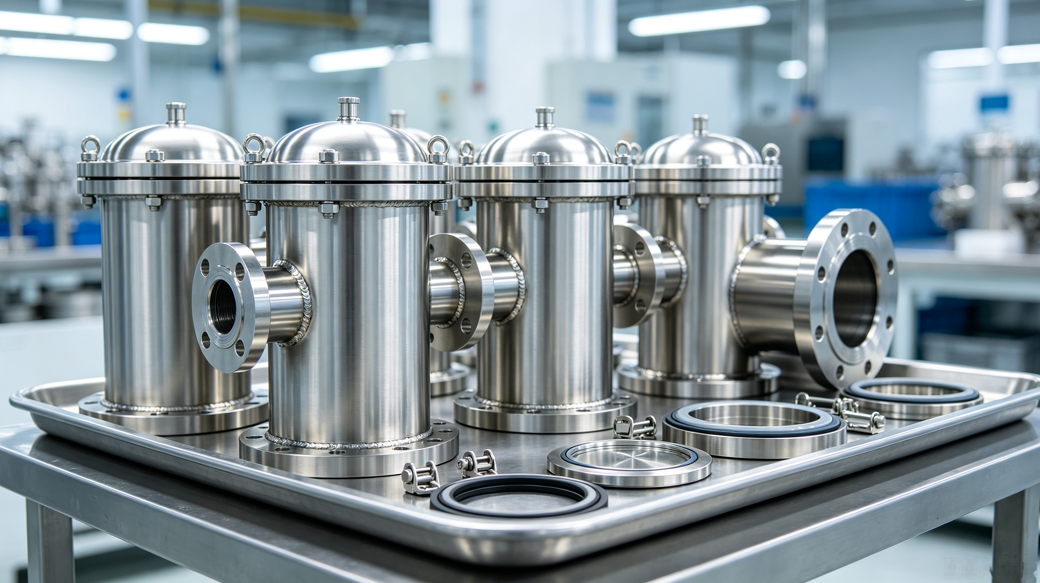
High-Rejection SWRO Membrane Elements Surge in Demand Amid Global Desalination Boom and Industrial Zero-Liquid-Discharge Mandates
Driven by intensifying freshwater scarcity across coastal regions, expanding island water security initiatives, and stringent industrial Zero Liquid Discharge (ZLD) regulations, the global seawater reverse osmosis (SWRO) membrane sector is experiencing unprecedented momentum. Insights gathered from recent international desalination congresses and industrial water summits reveal that municipal utilities and heavy process industries are accelerating the deployment of advanced seawater-grade thin-film composite membrane elements capable of maintaining ultra-high salt rejection under severe osmotic pressures.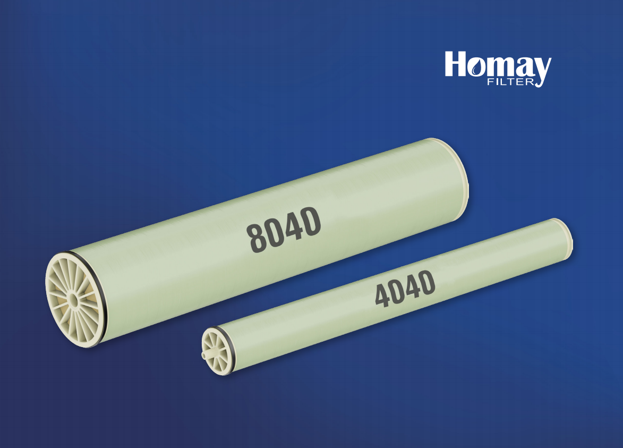
Market intelligence reports project the global seawater desalination and high-pressure membrane element market to grow at a compound annual growth rate (CAGR) of 8.2% through 2031. Growth is predominantly driven by mega-scale desalination plants across the Middle East, North Africa, and the Mediterranean, alongside rapid adoption in heavy industrial sectors such as thermal power plant boiler makeup, mining effluent dewatering, and landfill leachate concentration. In these demanding environments, standard brackish water membranes reach osmotic pressure limitations, necessitating heavy-duty seawater elements engineered to withstand continuous operating pressures up to 1,000 psi (6.9 MPa).
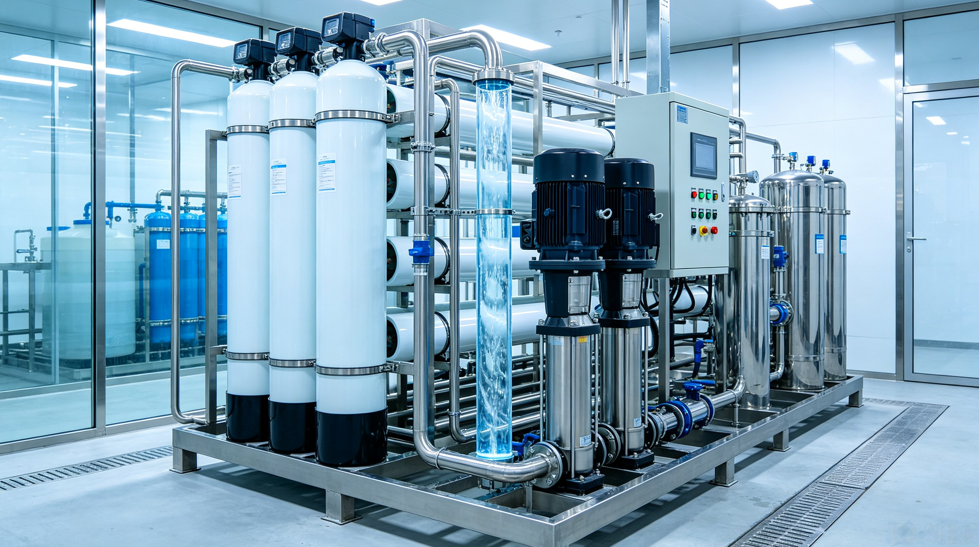
At the center of recent technical evaluations is the performance benchmark of 8-inch industrial membrane elements (such as standard 8040 configurations with 330 to 380 sq.ft of active surface area). In high-salinity seawater streams (tested under 32,800 ppm NaCl at 800 psi), next-generation SW elements achieve stable salt rejection rates of 99.7% while delivering average permeate flow rates exceeding 6,000 to 6,800 GPD (22.7 to 25.7 m³/day). This high rejection efficiency is critical for modern plant design: by significantly reducing dissolved ion leakage in the first pass, EPC contractors can frequently downsize or eliminate secondary pass polishing stages, directly lowering total capital expenditure (CAPEX) and plant footprint.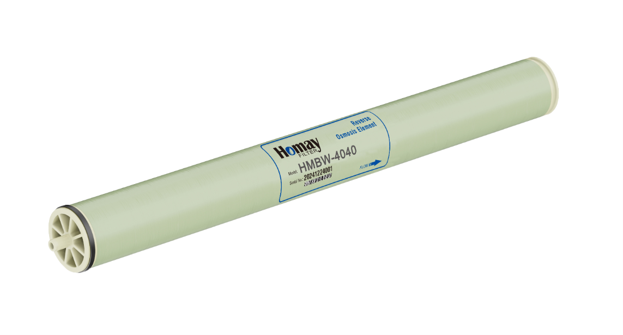
Beyond municipal seawater desalination, high-pressure SW elements are increasingly proving indispensable in challenging industrial wastewater treatment. In high-TDS industrial wastewater reuse and landfill leachate concentration loops, high chemical stability across a wide cleaning pH range (pH 2 to 12) allows plant operators to perform aggressive Clean-In-Place (CIP) procedures to remove stubborn organic, scaling, and colloidal foulants without compromising membrane cross-linking integrity. Furthermore, flexible element sizing—ranging from commercial 2.5-inch and 4-inch elements (2521, 2540, 4021, 4040) to large-scale 8040 modules—enables containerized and decentralized systems to treat high-concentration industrial effluents effectively.
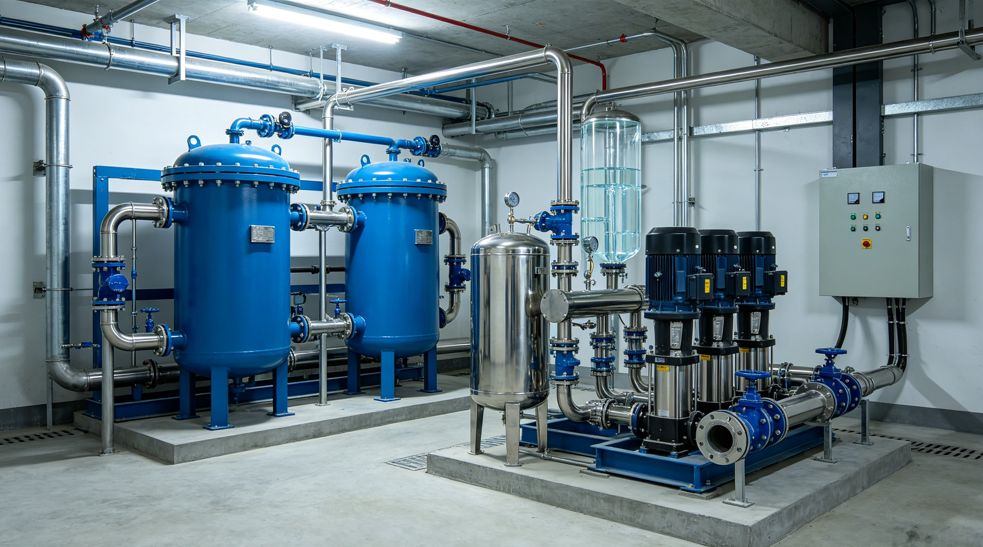
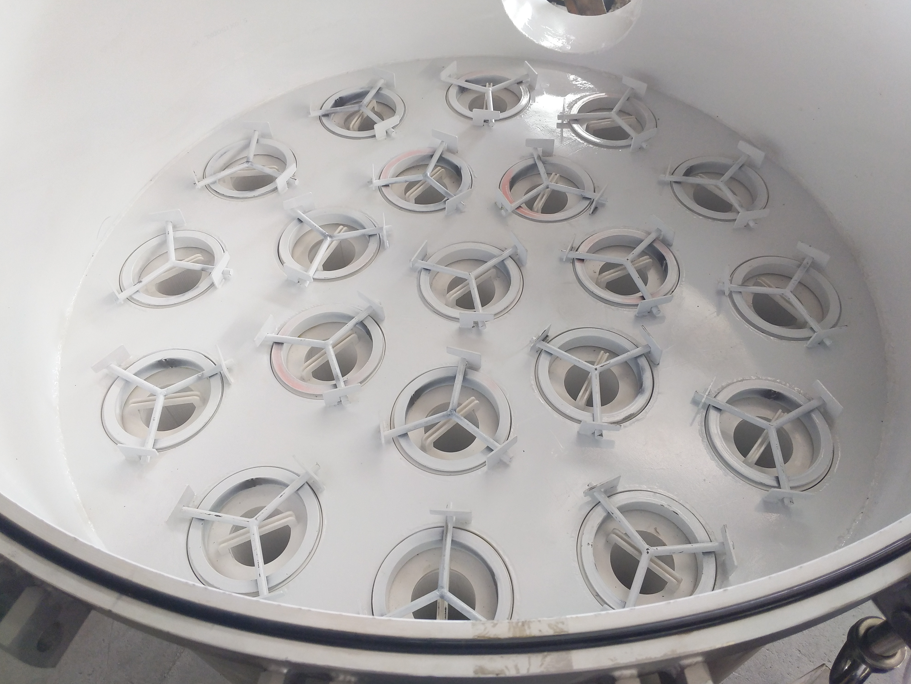
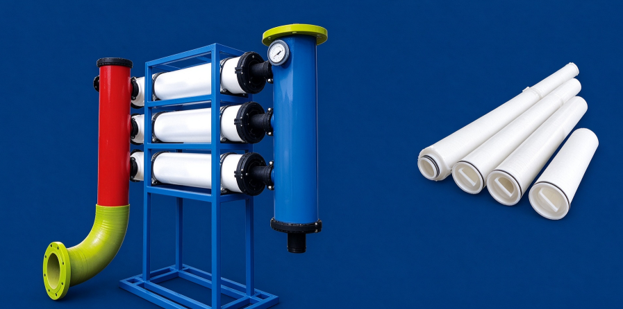
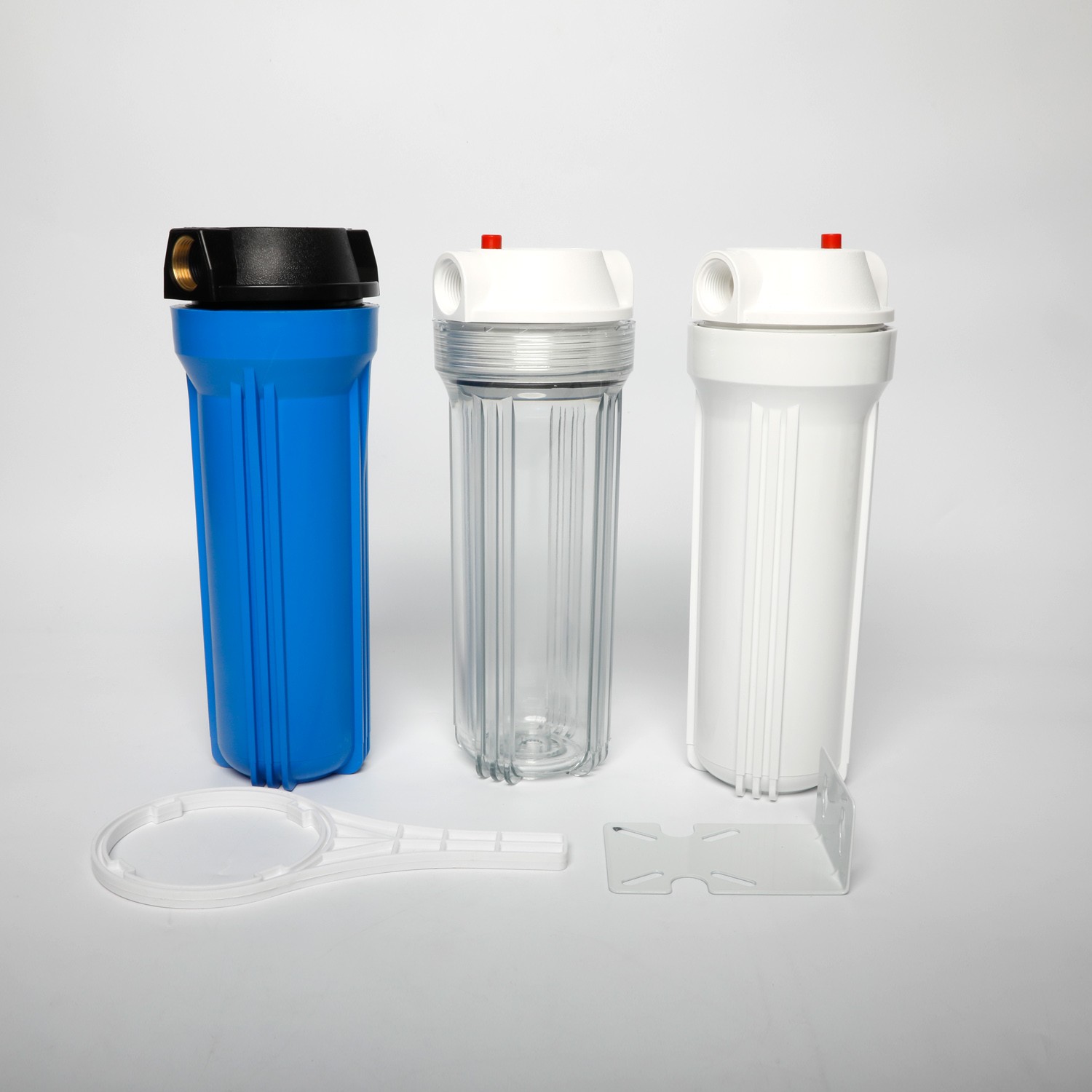
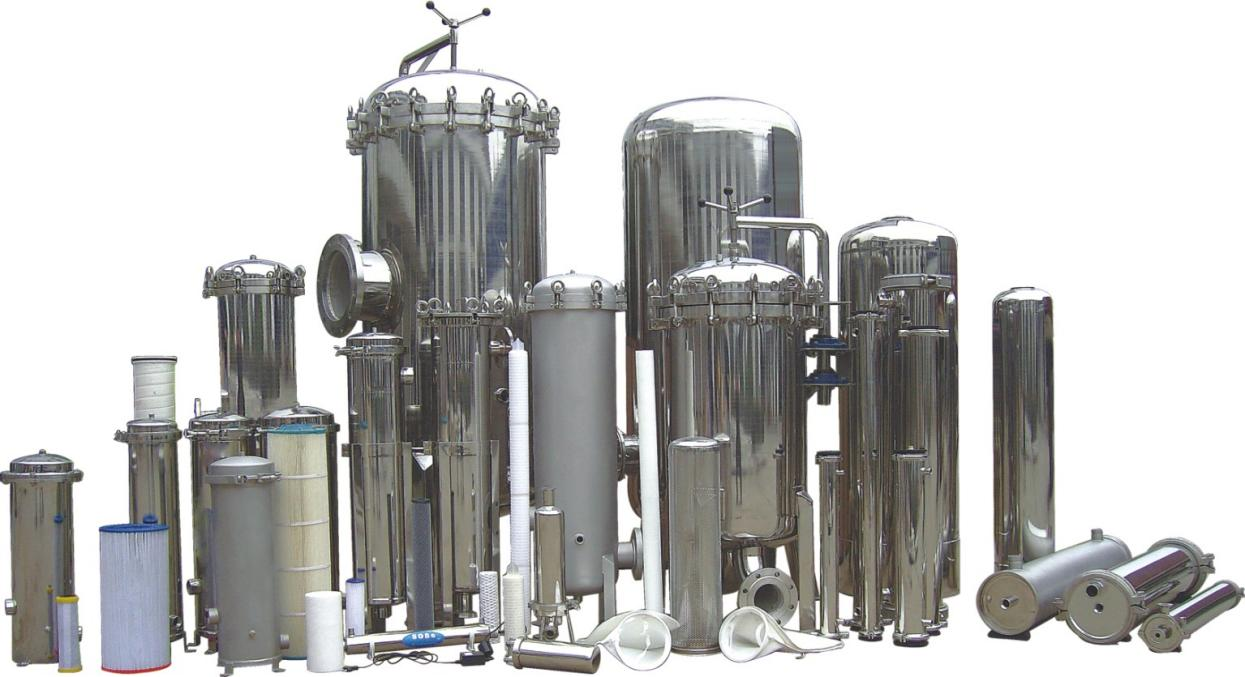
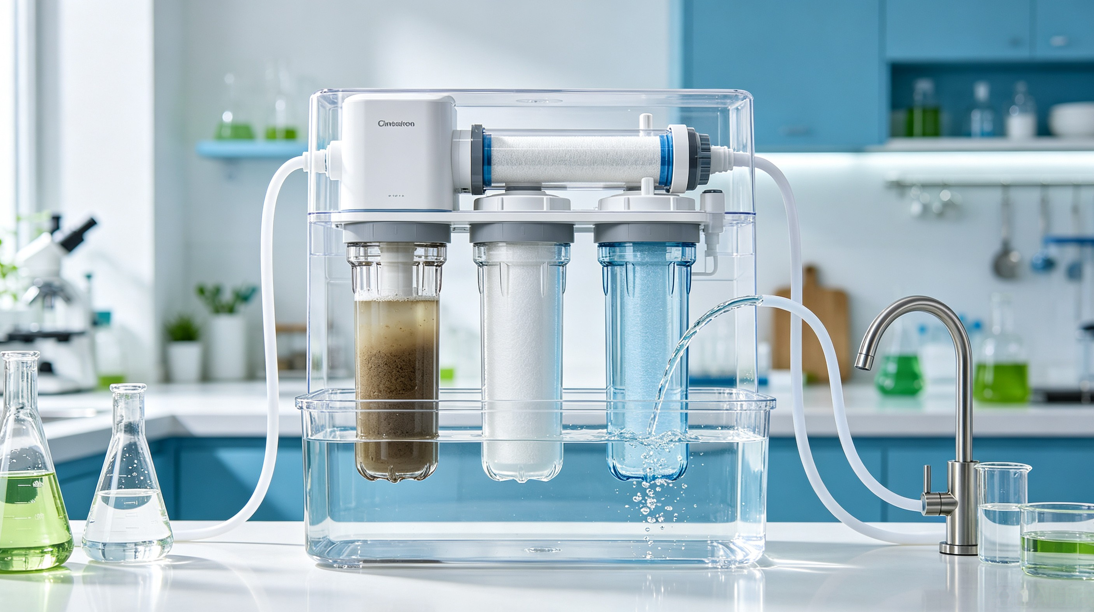
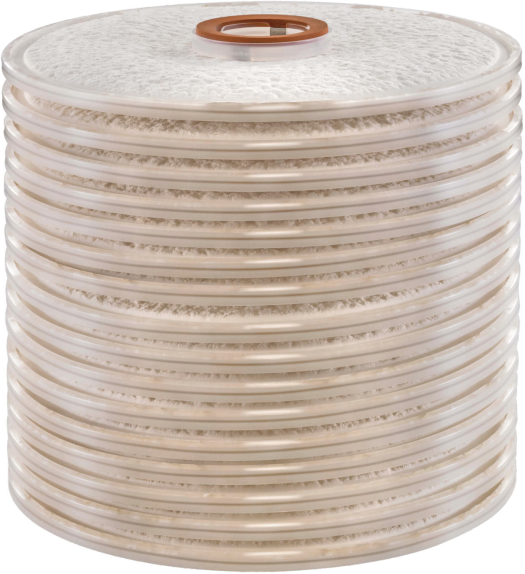
However, desalination specialists emphasize that membrane longevity heavily depends on stringent upstream pre-treatment and feed water quality control. Operating limits mandate that influent silt density index (SDI) be maintained below 5 and free chlorine concentrations strictly under 0.1 ppm to prevent irreversible polyamide layer oxidation. Plant engineers increasingly highlight the engineering synergy between high-rejection SW membrane elements, high-flow pre-filtration cartridges, and robust composite FRP pressure vessels, which collectively buffer membrane leaves against abrasive particulate intrusion and maintain uniform hydraulic distribution.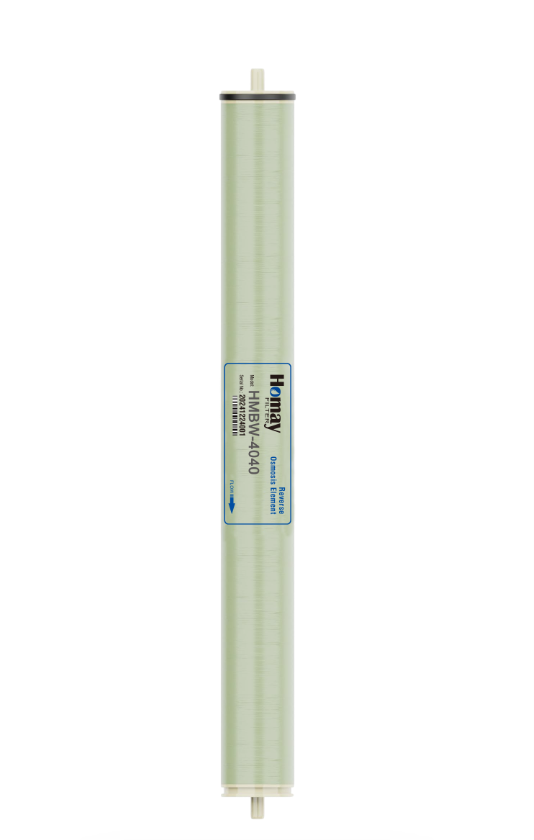
Looking toward the next decade, energy efficiency and lifecycle sustainability will remain the defining benchmarks for seawater membrane development. As plant operators strive to compress specific energy consumption (kWh/m³ of fresh water produced), the combination of optimized feed spacer geometries, high-flux polyamide chemistry, and robust pressure vessel integration will continue to anchor global industrial water resilience.