


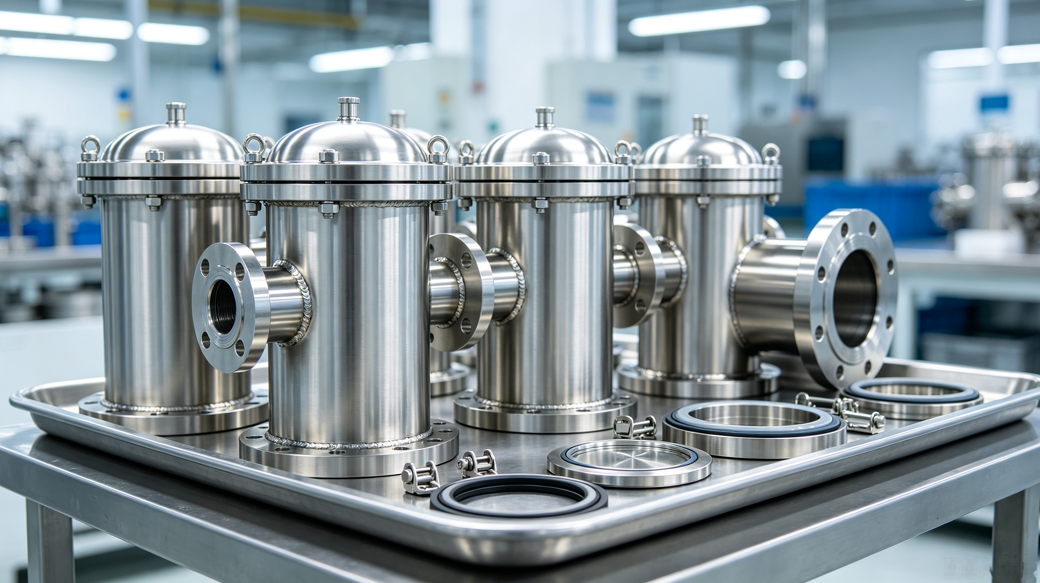
Engineered Polymer and High-Capacity Filter Housings Gain Market Dominance Across Commercial Water Treatment and Industrial Pre-Filtration
Rapid expansion in commercial water purification, decentralized water supply infrastructure, and industrial reverse osmosis (RO) pre-filtration is accelerating global demand for engineered polymer filter housings, according to market intelligence gathered from recent international water technology expos and global plumbing distribution channels. As facility managers and OEM system integrators seek cost-effective, non-corrosive, and easily maintainable alternatives to metallic vessels, modular plastic filter housings—ranging from compact 5-inch and 10-inch standard formats to 10-inch and 20-inch Big Blue (BB) high-capacity designs—are solidifying their position as standard industry infrastructure.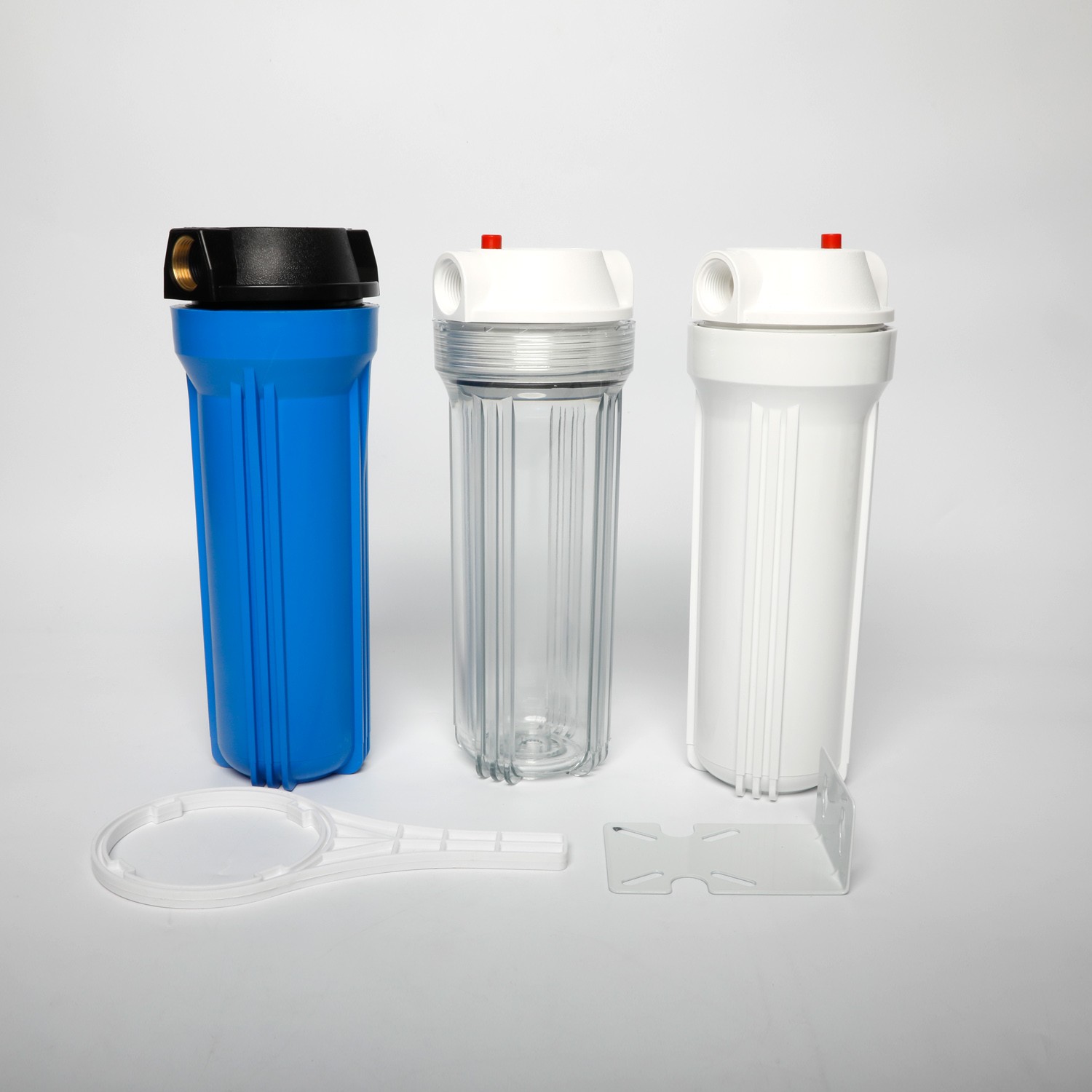
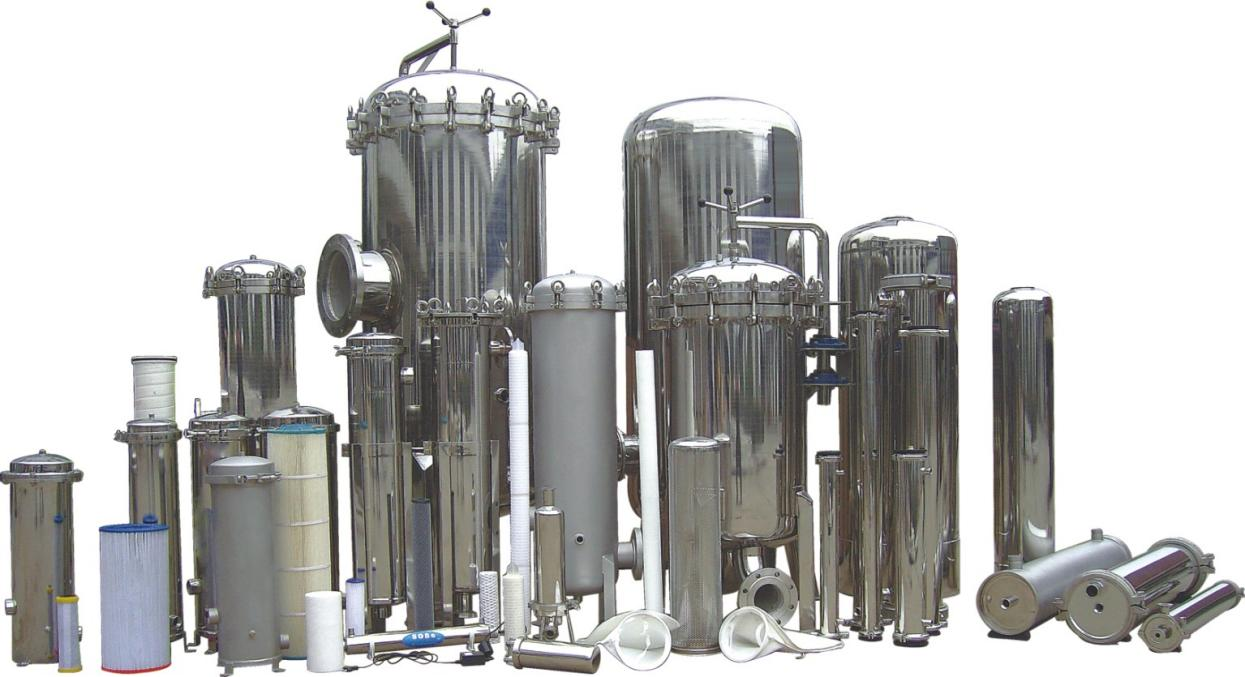
Industry analysts project the global plastic and polymer filter housing market to grow at a compound annual rate of over 7.4% through 2032. Growth is fueled by intensifying water quality mandates across commercial food service, hospitality, residential point-of-entry (POE) installations, and light industrial process water. Unlike traditional carbon steel or lightweight metallic canisters that are vulnerable to rust, galvanic corrosion, and metal ion leaching, high-grade polypropylene (PP), styrene acrylonitrile (SAN), and reinforced polymer housings deliver total chemical inertness, high mechanical strength, and complete freedom from scale formation.
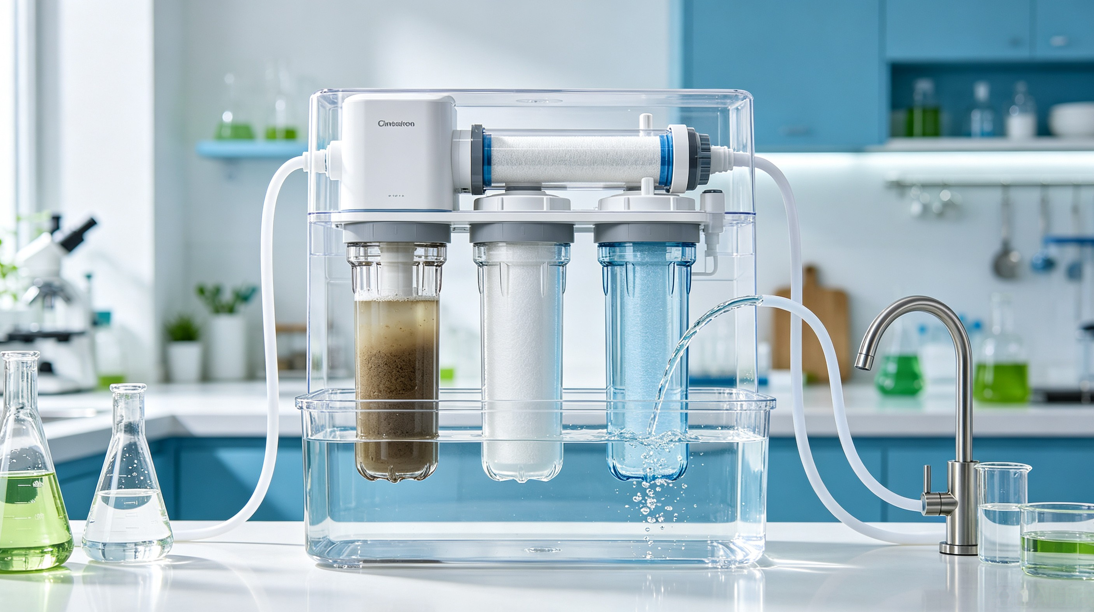
A prominent trend shaping the market is the widespread adoption of transparent sump designs alongside opaque reinforced housings. In high-purity water loops, laboratory systems, and commercial beverage dispensers, clear housings (such as transparent SAN/PET sump configurations in standard 10-inch series) allow operators to visually assess sediment accumulation and cartridge fouling in real time. This eliminates guesswork, preventing premature filter change-outs while averting sudden pressure drops caused by over-fouled media. Conversely, heavy-duty opaque reinforced housings in classic blue, black, and white finishes remain the benchmark for outdoor or UV-exposed environments, preventing algal growth inside the bowl.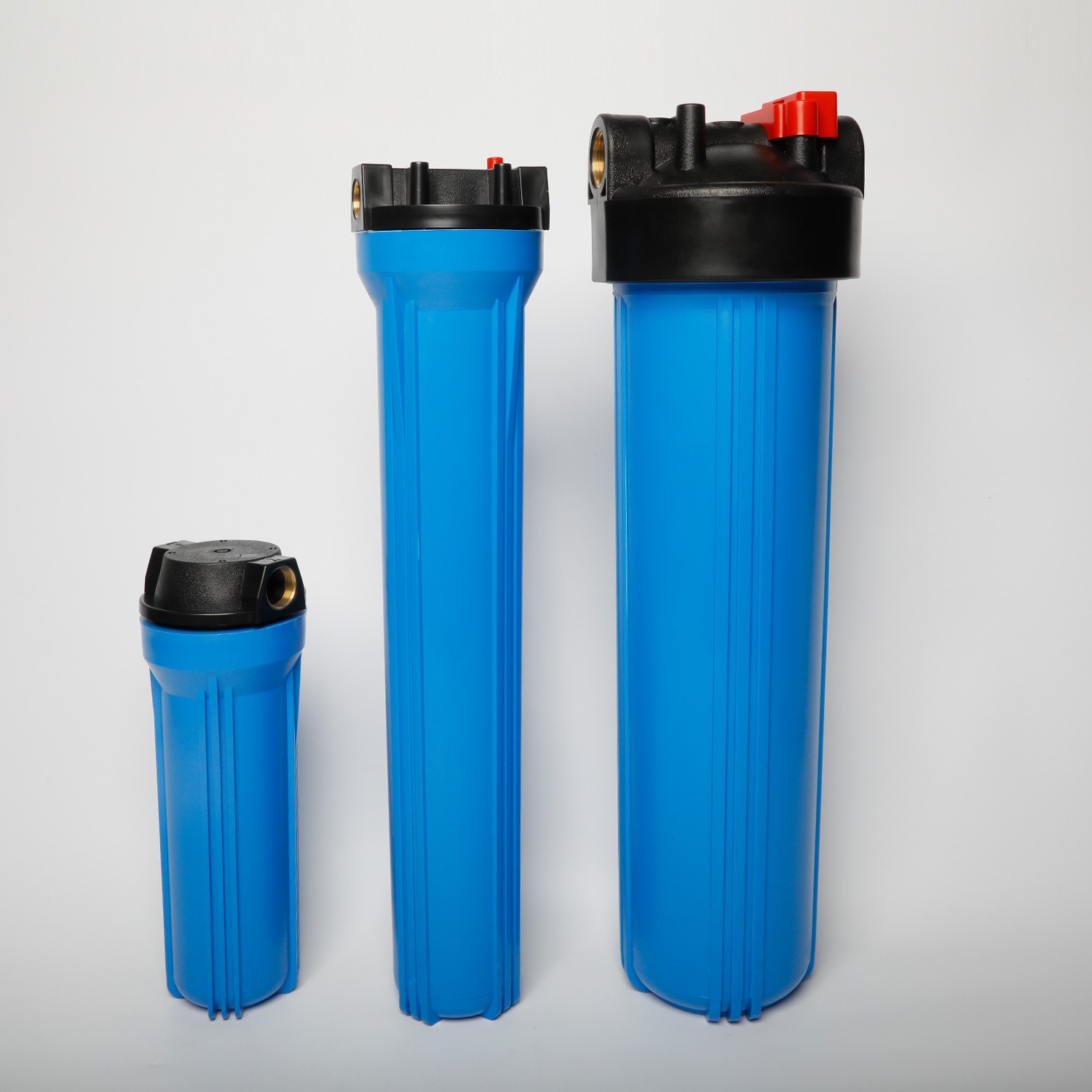
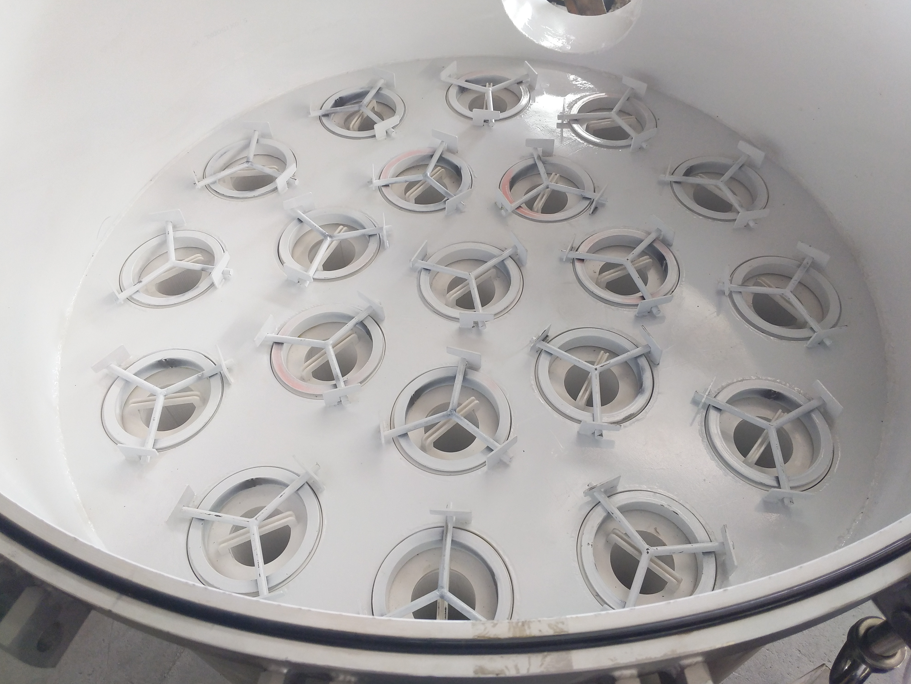
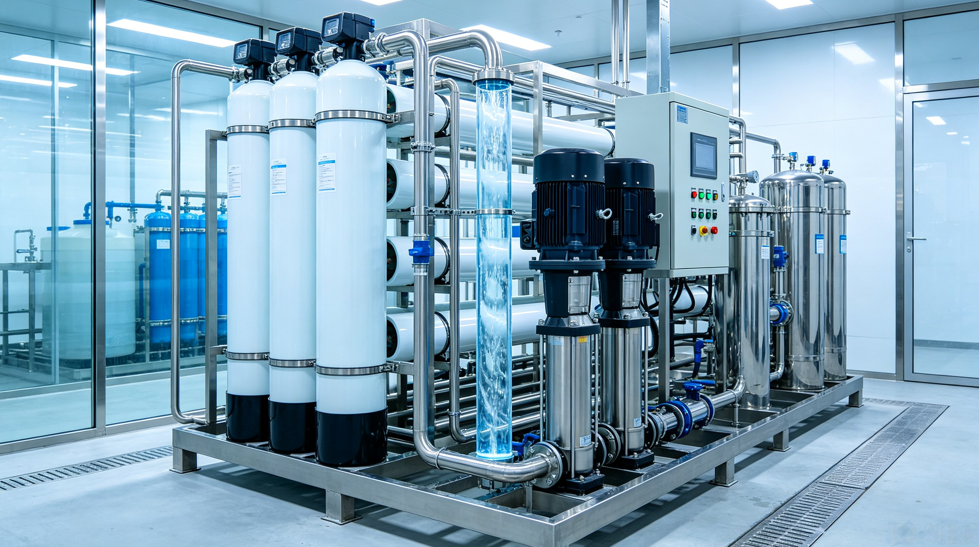
For high-throughput commercial and light industrial applications, the shift toward Big Blue (10BB and 20BB) configurations continues to gather momentum. By accommodating large-diameter (4.5-inch) filter cartridges, Big Blue vessels deliver up to five times the filtration surface area of standard 2.5-inch housings. This structural design significantly lowers initial clean differential pressure, handles higher instantaneous flow velocities with minimal head loss, and extends filter change-out intervals from weeks to months. Consequently, commercial boiler feeds, cooling towers, and commercial RO pre-treatment skids achieve substantial operational labor savings.
Regional customization and installation flexibility are further driving product evolution. European-style modular housings (FH-10Y series) and compact inline universal designs (FH-M106 and FH-L335 series with 1/2-inch to 1-inch NPT/BSP port options) cater to tight mechanical room footprints and specialized equipment integration. Modern housing heads increasingly incorporate built-in pressure relief purge valves, robust female brass thread inserts, and reinforced internal ribbing, ensuring structural durability against hydraulic water hammer and cyclic pressure fluctuations.
Quality compliance and structural safety remain critical evaluation benchmarks for global procurement teams. Tier-one manufacturers are subjected to rigorous cyclical fatigue testing (often exceeding 100,000 cycles from 0 to 150 psi) and burst pressure ratings up to 300+ psi, alongside strict food-contact material verifications (such as NSF/ANSI and FDA-grade compliance). These testing standards provide OEM skid builders and engineering contractors with the assurance required for critical potable water and food-grade fluid handling.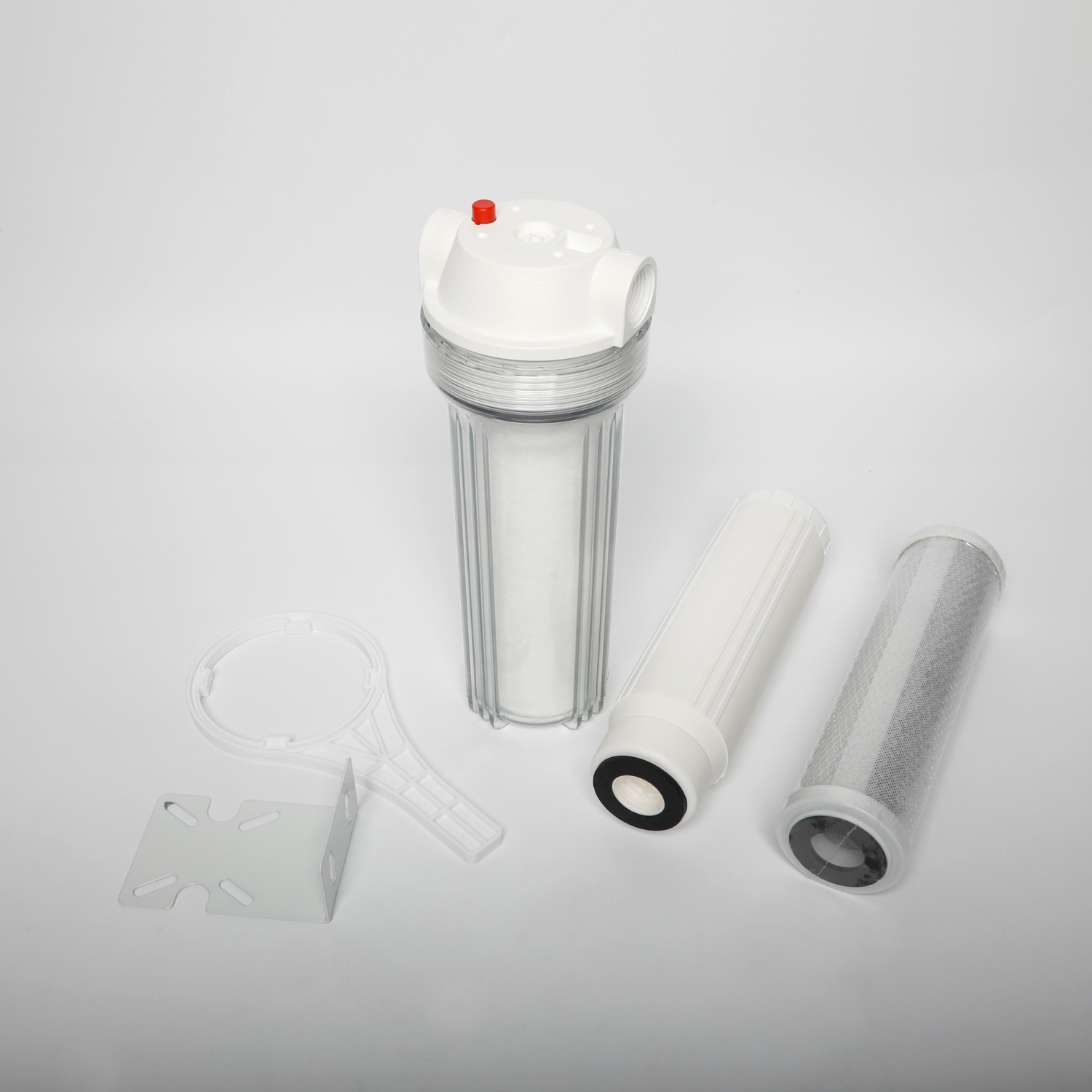
Looking ahead, industry forecasts indicate that North America, Europe, and the Asia-Pacific region will remain the largest consumption hubs for modular filter housings. As global water quality regulations tighten and decentralized purification systems become mainstream, the convergence of robust polymer engineering, versatile connection sizing, and integrated one-stop cartridge compatibility will continue to drive steady market expansion for high-performance filter housing portfolios over the next decade.