


Complete Reverse Osmosis Membrane Buying Guidance
Reverse osmosis membrane acts as the core separation component for modern industrial water treatment. It removes dissolved salts, heavy metal ions, colloids and organic contaminants under driving pressure, and serves a wide range of industries including electronics, power generation, steel, petrochemical, pharmaceutical, food processing and water reuse projects. Many system designers and procurement staff pick RO elements simply relying on datasheet‑marked salt rejection rate, ignoring real‑feed‑water characteristics and on‑site running limits. This careless selection will bring frequent membrane fouling, unstable permeate quality, higher energy consumption and shortened element service life. Reverse Osmosis Membrane in different application calls for differentiated series and specification matching, instead of adopting one‑size‑fits‑all product for every project. Therefore, mastering practical RO membrane selection logic becomes critical for engineers who handle water system design, retrofit and spare‑part procurement.
- Clarify feed‑water water quality and target permeate requirements before ordering
Before confirming any model, start your selection work from two core dimensions: incoming feed‑water quality indicators and expected permeate water quality. You need to collect key test data: total dissolved solids (TDS), temperature, pH value, SDI pollution index, organic content and scaling‑ion concentration of raw water.
A widespread mistake among buyers is blindly chasing the highest‑possible salt rejection rate for all projects. Even if the membrane shows outstanding lab‑test rejection data, over‑specifying high‑rejection elements for low‑salinity tap‑water will raise unnecessary capital cost and bring no extra benefit. On the other hand, selecting low‑pressure elements for high‑salinity brackish water will lead to poor desalination effect and excessive operating pressure load.
Define your production‑side targets clearly: confirm whether you need boiler makeup water, purified water for food manufacturing, ultrapure pre‑treatment water for semiconductor workshops, or reclaimed‑water reuse for industrial wastewater. Different end‑uses set clear baseline for required stable rejection rate, permeate flux and long‑term running stability. If the feed‑water carries high organic load, colloids or wastewater‑derived pollutants, you need to reserve budget for proper pre‑filtration setup ahead of RO skids, which helps to reduce membrane fouling risk and extend service cycles.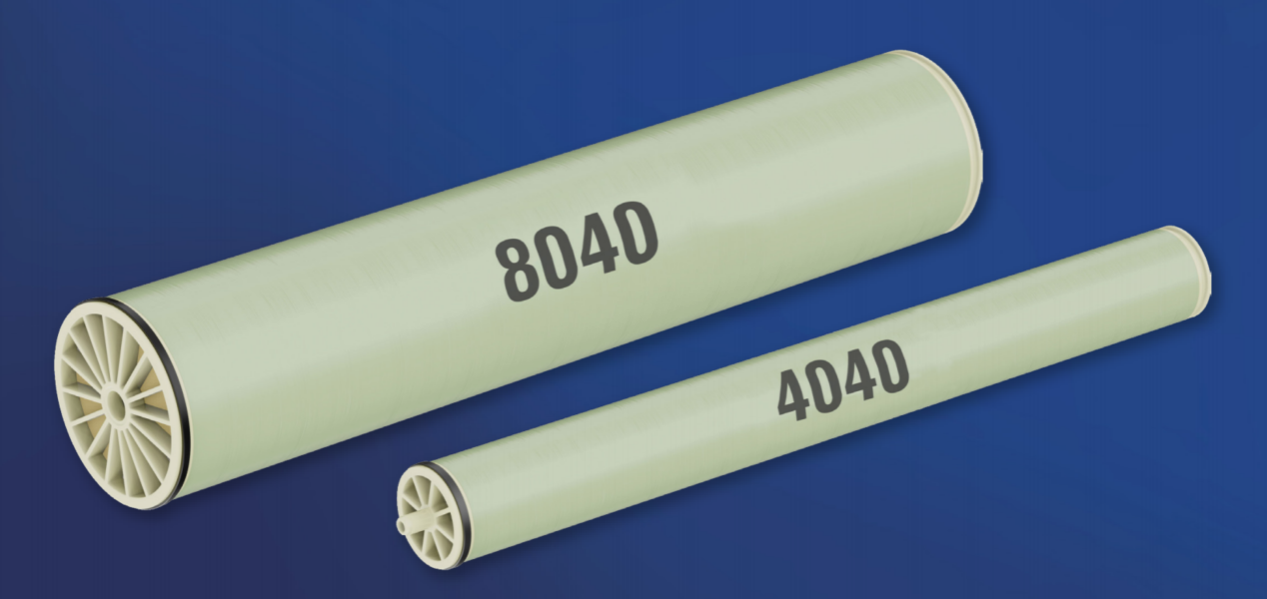
- Match membrane series with feed‑water salinity and fouling risk
Homay provides four mainstream RO membrane series: BW brackish‑water series, LP low‑pressure series, ULP ultra‑low‑pressure series and FR anti‑fouling industrial series, each designed for specific salinity and pollution‑level scenarios.
BW (Brackish Water) Series: Designed for surface water, groundwater and reclaimed water with TDS below 5000 mg/L. It delivers stable 99.6% salt rejection under standard test conditions, widely adopted in power plants, steel mills, petrochemical and pharmaceutical manufacturing. Recommended test pressure sits at 225 PSI for both 4040 and 8040 element sizes.
LP (Low‑Pressure) Series: Suited for municipal tap‑water and groundwater with TDS less than 2000 mg/L. It runs at reduced operating pressure of 150 PSI, cuts power consumption while keeping stable rejection at 99.5%. Perfect for residential differentiated water‑supply projects, commercial purified‑water plants and food production lines.
ULP (Ultra‑Low‑Pressure) Series: Optimized for feed‑water TDS below 1500 mg/L. It achieves qualified desalination performance under even lower driving pressure, commonly deployed for municipal water purification, irrigation water preparation, secondary water‑supply and two‑stage RO systems for food factories.
FR Anti‑Fouling Series: Industrial‑grade anti‑pollution membrane elements for complicated wastewater and reclaimed‑water reuse streams, applicable for feed‑water TDS up to 10000 mg/L. It fits heavily‑polluted working conditions from power, steel, electroplating, petro‑chemistry, coal‑chemical, printing‑dyeing and landfill leachate treatment. Modified membrane surface slows organic and biological fouling, reduces chemical‑cleaning frequency and lowers overall maintenance expense.
Wrong series matching creates severe consequences. Using ordinary BW‑series elements for high‑fouling wastewater will trigger rapid organic deposition and frequent chemical cleaning, accelerating irreversible membrane performance decay. Always cross‑reference your lab water‑analysis report against each series’ application boundary before finalising model selection.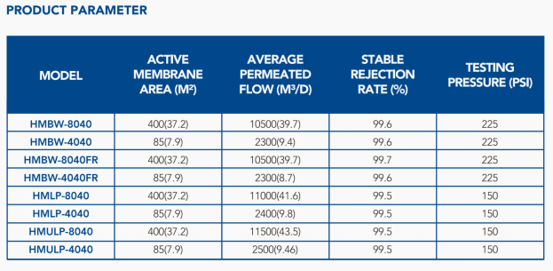
- Confirm membrane element dimension, flux and system pressure boundary
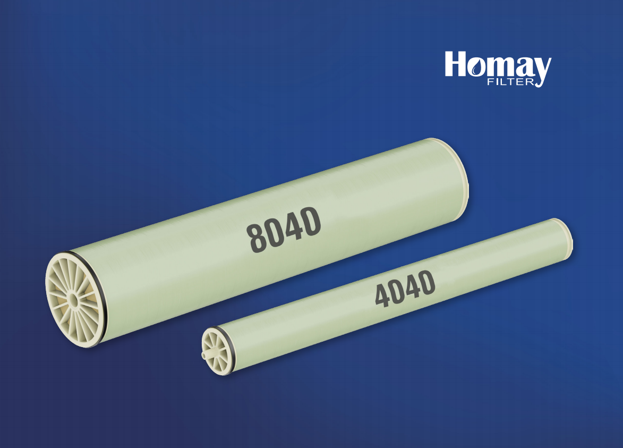
After locking the proper product series, move on to element physical specifications and hydraulic parameters. Our standard available sizes are 4‑inch (4040) and 8‑inch (8040) membrane elements. 4040 suits small‑to‑medium‑capacity skids, pilot‑scale systems and replacement for compact equipment. 8040 is the preferred option for large‑volume industrial installations to cut total element quantity and simplify system piping layout.
You need to verify rated average permeate flow under standard test conditions, but never directly copy datasheet flow values for real‑world design. Standard lab testing runs under 2000 ppm NaCl solution, 25±2 °C temperature and pH 7.5‑8 environment. Actual production flow will shift obviously with changes of feed‑water temperature, salinity and system recovery rate. When raw‑water temperature drops, the real permeate output will decline accordingly; you need to make allowance for temperature correction during system dimensioning.
Besides flux, keep operating pressure window in mind. BW and FR series elements bear higher test pressure at 225 PSI; LP and ULP series run at 150 PSI to realize energy‑saving operation. Never exceed maximum allowable working pressure for each model, otherwise you risk membrane layer delamination, permeate quality collapse and unplanned production shutdown.
- Evaluate system pretreatment, maintenance routine and total‑ownership‑cost
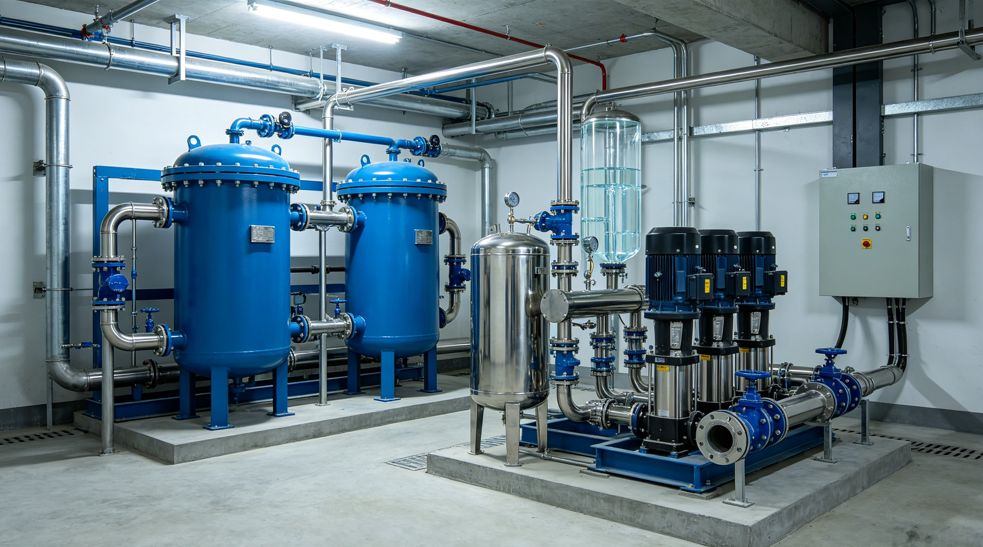
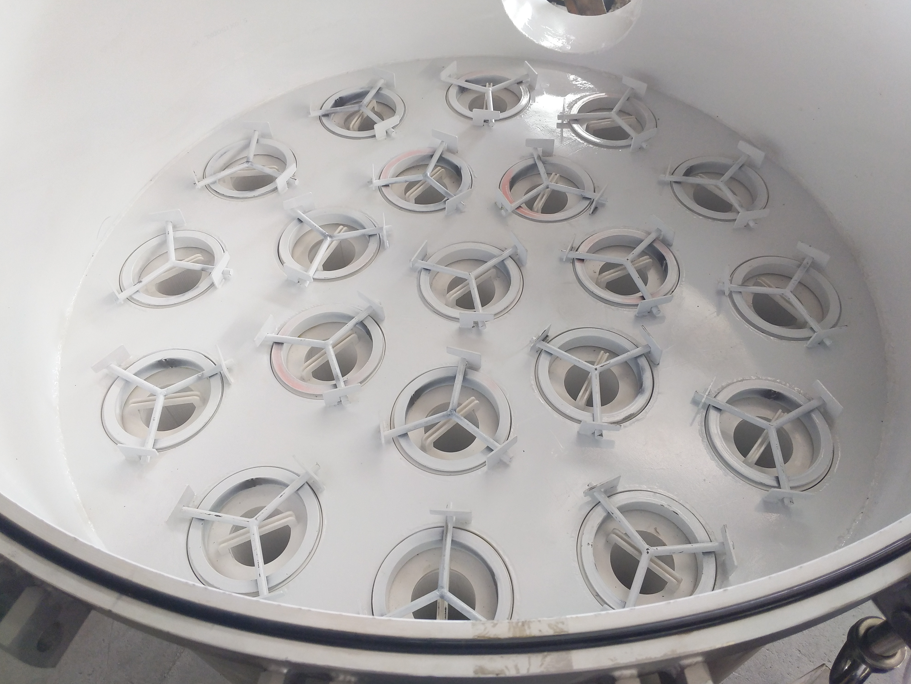
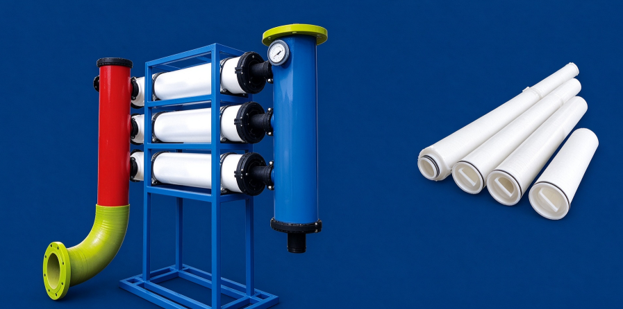
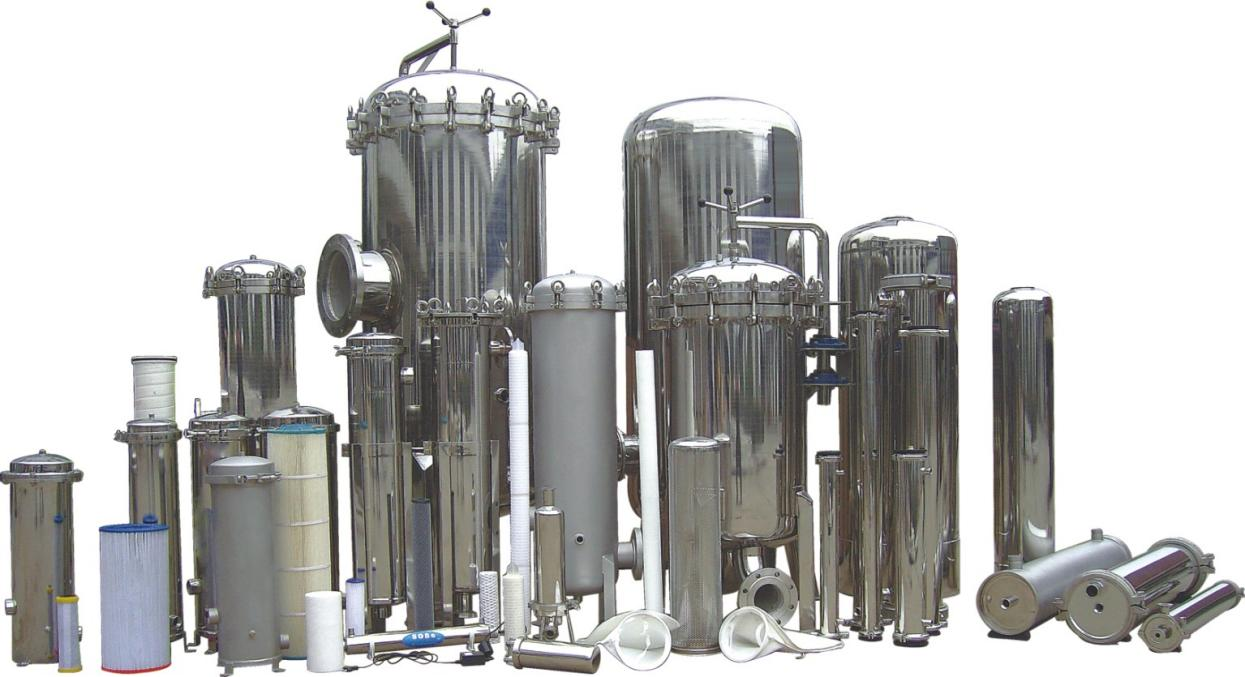
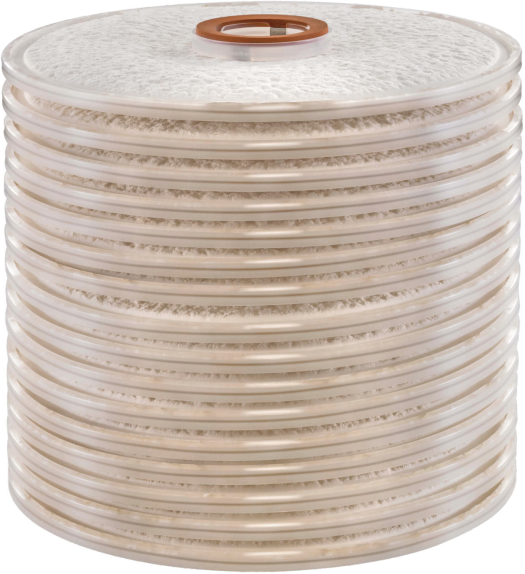
Even the highest‑quality reverse osmosis membrane cannot perform reliably without qualified pre‑treatment upstream. Cartridge filters, bag filters, activated‑carbon units, softeners and dosing systems serve as the first defensive line for RO elements. If SDI value of incoming water stays consistently high, heavy fouling will take place regardless of whether you choose anti‑fouling FR grade.
Do not make purchasing decisions only comparing unit price of membrane elements. Calculate full‑cycle total‑ownership‑cost: take energy expense, chemical‑cleaning chemical cost, replacement frequency and production‑loss risk caused by unexpected membrane failure into account. For heavy‑duty wastewater reuse projects, slightly higher investment for FR anti‑fouling elements often brings considerable long‑term savings.
Track normalized permeate flow and salt rejection rate during routine operation. Arrange chemical cleaning once flow declines or rejection drops to manufacturer‑suggested threshold, do not stick to rigid calendar‑based replacement schedule blindly.
- Certifications, batch traceability and sample validation for complex projects
For regulated sectors including pharmaceutical, food‑and‑beverage and electronics manufacturing, relevant compliance documents, batch production records and performance test reports become necessary purchasing prerequisites. Buyers from these industries often require full documentation for incoming‑goods audit.
When you face brand‑new process conditions or complicated wastewater compositions, ask your membrane supplier for trial‑run recommendations before large‑volume procurement. Running pilot tests with real‑site feed‑water helps verify actual rejection, flux decay tendency and fouling behaviour, effectively avoiding costly mistakes in mass‑order placement.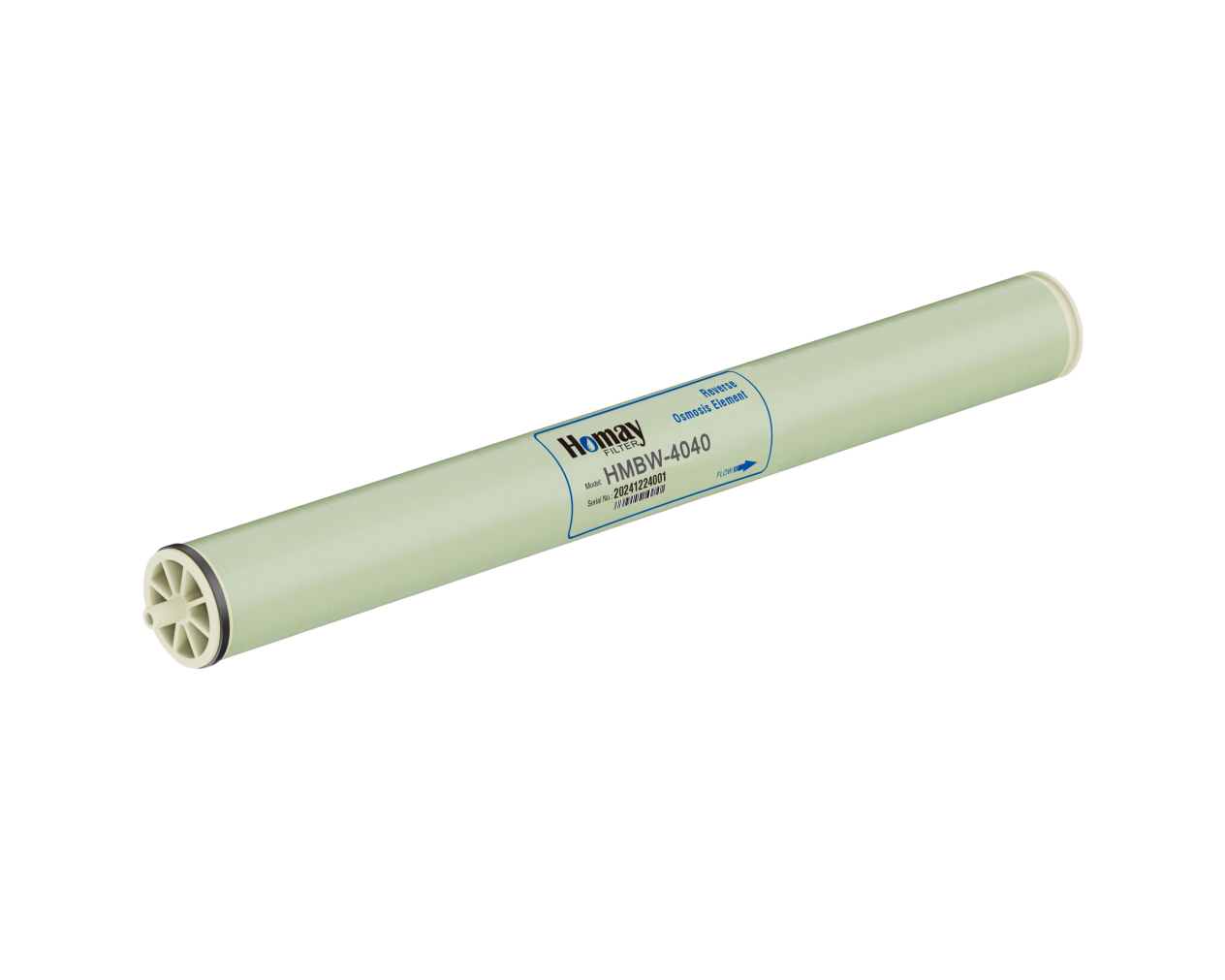
- Final practical recommendations for industrial system engineers
Datasheet theoretical parameters can never completely substitute real‑site condition assessment. When you communicate with filtration technical engineers, provide complete sets of process information: full feed‑water analysis report, operating temperature range, pH fluctuation, target permeate quality, designed system flow, existing pressure‑vessel dimension, pre‑treatment configuration and expected service life target. Sufficient condition input enables suppliers to shortlist the most‑suitable membrane series and element models, and prevents avoidable on‑site system breakdowns.
Well‑matched reverse osmosis membranes stabilise permeate water quality, reduce chemical‑cleaning workload, lower energy consumption and cut down overall operating expenditure for manufacturing plants. Improper model selection will trigger unstable water quality, frequent downtime and hidden compliance risks. Follow this systematic selection workflow: analyse raw‑water quality → confirm permeate requirements → pick matching membrane series → verify element dimension and hydraulic boundaries → evaluate pre‑treatment and maintenance plans → carry out pilot verification for complex conditions. This complete workflow supports you to select well‑fit RO membrane elements for your industrial water‑treatment installations.