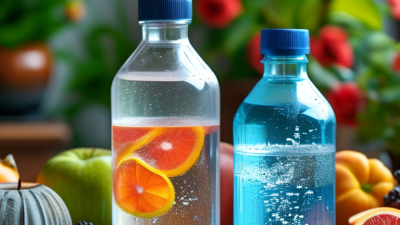
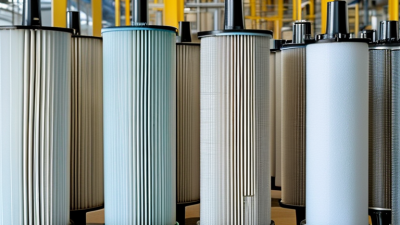
At around 6:30 in the morning, the hotel kitchen starts buzzing to life—filling kettles, washing produce, and making coffee. But here’s the thing: water quality really impacts all those tasks. Sometimes staff might not even notice it until scale starts building up on a heating element or a strange taste unexpectedly shows up in a guest’s drink. Using water purification equipment can really make a difference for businesses dealing with issues like sediment, chlorine, or dissolved minerals. Of course, the right system depends on the water you get, how much you use daily, and what you need it for. A restaurant, a clinic, and a manufacturing plant—none of these have the same water needs, so it’s not a one-size-fits-all kind of deal.
Dr. Jay Famiglietti, a hydrologist, once said, “Water is the most critical resource issue of our lifetime and our children’s lifetime,” which honestly hits home. It’s a reminder that we should treat water not just as a utility bill but as a vital resource for our operations. Proper treatment helps keep things running smoothly, protects equipment, and gives both staff and customers peace of mind about the water they’re using. But let’s be real—that doesn’t mean a system fixes everything. No system is perfect. Businesses really need to test their source water, compare different treatment options, and stay on top of filter changes and routine checks. Skimp on those steps, and you might end up wasting money or missing a serious problem altogether. Those little details really matter. In this guide, we’ll look at why businesses invest in water treatment, what factors influence choosing the right equipment, and important questions to ask before making any decisions. The goal isn’t to promise perfect water—that’s nearly impossible—but to help decision-makers make smarter choices with better info and fewer surprises along the way.
What Commercial Water Purification Equipment Removes from Business Water Supplies
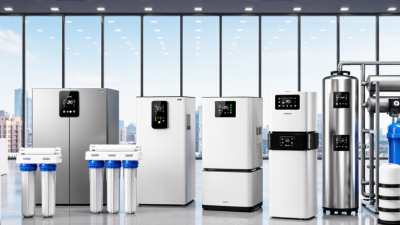
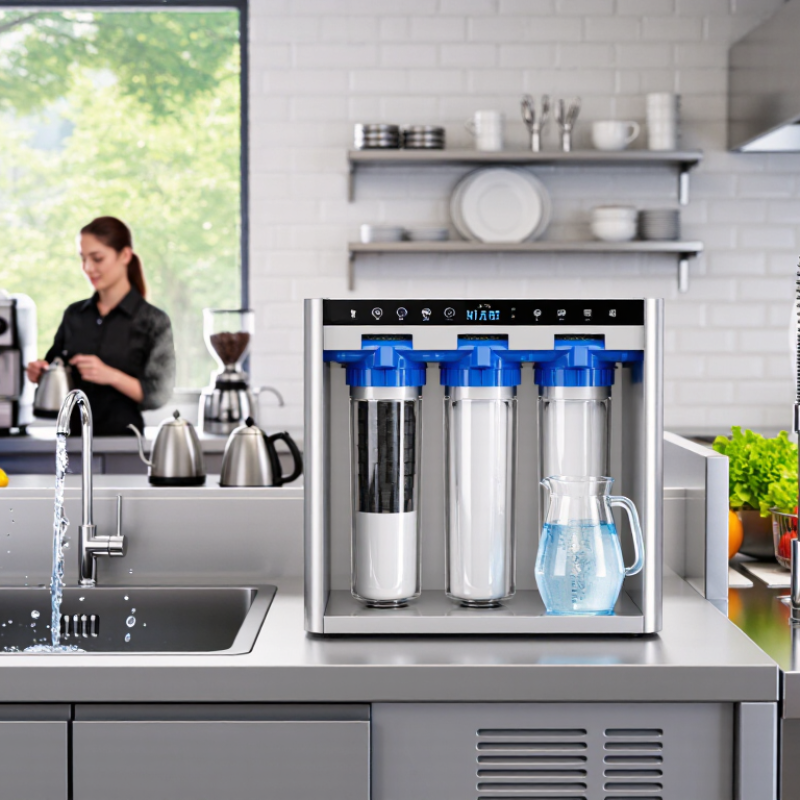
Commercial water purification equipment targets different contaminants, not a single catch-all category. Sediment filters trap visible grit and rust that can clog an ice machine or leave particles in a glass. Activated carbon can reduce chlorine taste and odor, plus certain organic chemicals. Reverse osmosis can reduce dissolved salts and some metals; ultraviolet treatment can inactivate microbes, but does not remove sediment or dissolved chemicals. The right treatment depends on a water test and the equipment’s certified performance claims.
PFAS deserve particular attention. A 2023 USGS study estimated that at least one PFAS may be present in about 45% of U.S. tap water. That estimate is not a measurement of every business’s supply, but it shows why local testing matters. Some carbon and reverse-osmosis systems can reduce certain PFAS when tested and certified for that purpose. Check the specific contaminant and reduction claim. A filter is not a magic fix. Hardness minerals may scale a boiler, while chlorine can affect beverage flavor; each calls for a suitable process. Even a clear sample can contain dissolved substances, so appearance alone is a poor test.
WHO: 2.2 Billion People Lacked Safely Managed Drinking Water in 2022
Why Do Businesses Need Water Purification Equipment?
WHO and UNICEF reported that 2.2 billion people lacked safely managed drinking water in 2022. This figure is not distant from business operations. Water quality affects employees, customers, food preparation, cleaning, and manufacturing processes. A cloudy glass, unusual odor, or mineral buildup may reveal deeper problems. Purification equipment can reduce suspended particles, unwanted chemicals, and harmful microorganisms when properly selected and maintained. It also supports more consistent water quality across offices, hotels, factories, and healthcare facilities.
Reliable treatment begins with testing. Source water can change after heavy rain, construction, or seasonal shifts. A professional assessment should examine microbial risks, hardness, sediment, and chemical content. Filtration alone may not solve every problem. Some systems require disinfection, softening, or several treatment stages. Poor maintenance can create new risks, which businesses sometimes underestimate. No equipment is completely automatic.
Tips: Test incoming water regularly. Match equipment to actual contaminants. Keep service records. Replace filters on schedule. Train staff to notice pressure changes, leaks, strange tastes, and unusual odors. A simple log near the treatment unit can prevent missed maintenance. When results seem unclear, request laboratory testing instead of guessing.
USGS Classifies Water Above 120 mg/L Hardness as Hard
Water hardness rarely looks dramatic. It appears as white scale around a faucet or inside a heating coil. The U.S. Geological Survey classifies water above 120 mg/L as hard, usually measured as calcium carbonate. That threshold matters in daily business operations. A café may see cloudy glassware and slower water heaters. A laundry may use more detergent and still produce dull fabric. Small signs become maintenance costs.
Industrial Water Filtration Equipment can help, but the right system depends on the water analysis. Hardness mainly comes from dissolved calcium and magnesium. Standard sediment filters can remove particles, but they normally do not remove dissolved hardness. An ion-exchange softener can reduce calcium and magnesium before water enters boilers, washers, or production lines. Reverse osmosis may provide higher purity, though it needs proper pretreatment and routine monitoring.
A single water sample can mislead. Groundwater chemistry may change after heavy rain, seasonal pumping, or equipment maintenance. Operators should record hardness, pH, iron, alkalinity, and flow rate over time. Check the scale, too. It tells a practical story. It is tempting to blame the filter immediately, but poor regeneration settings or blocked prefilters may be responsible. Even accurate equipment performs poorly when staff ignore pressure readings, salt levels, or scheduled testing.
Why Do Businesses Need Water Purification Equipment?
USGS classifies water above 120 mg/L hardness as hard
Water hardness is measured as milligrams per liter of calcium carbonate (mg/L as CaCO₃). Hard water can promote mineral scale in boilers, heaters, pipes, cooling systems, and membrane equipment. Water purification and softening systems help businesses reduce scale buildup, maintenance needs, and equipment downtime.
Source: U.S. Geological Survey (USGS) water hardness classification: soft 0–60 mg/L, moderately hard 61–120 mg/L, hard 121–180 mg/L, and very hard above 180 mg/L.
EPA’s 2024 PFAS Rule Sets 4 ng/L Limits for PFOA and PFOS
The EPA’s 2024 PFAS rule sets a 4 ng/L limit for PFOA and PFOS in public drinking water systems. It also addresses certain PFAS mixtures through a hazard index. Businesses may not be the regulated water provider, yet they still face practical risks. Contaminated water can affect food preparation, laboratories, manufacturing, and employee confidence. Water Filtration Equipment can provide an additional treatment barrier, especially where incoming water requires careful testing. Granular activated carbon and reverse osmosis are common options, but performance depends on water chemistry, flow, and maintenance.
Tips: Test the incoming water before selecting equipment. Ask for laboratory results, not general claims. Check treated water regularly, replace exhausted media, and keep service records. A filter can look clean and still be ineffective. Small sampling errors matter at ng/L levels.
Businesses should compare treatment goals with the EPA timetable, since public water systems have required monitoring and compliance steps. Equipment should be sized by qualified water professionals, with pressure, peak demand, wastewater, and contact time considered. Independent verification is valuable. It can reveal breakthrough before staff notice any taste or odor. This process is not always tidy; one treatment method may reduce PFAS but create operational waste or higher energy use. Regular reviews help identify those trade-offs before they disrupt daily work.
Why Do Businesses Need Water Purification Equipment? — EPA’s 2024 PFAS Rule Sets 4 ng/L Limits for PFOA and PFOS
Note: The 2024 federal rule’s MCLs are drinking-water standards for public water systems. A business’s specific obligations can vary by water source, activity, and applicable state or local regulations.
CDC: Legionella Grows Best in Water at 25–45°C
Why Do Businesses Need Water Purification Equipment?
The CDC reports that Legionella grows best in water between 25 and 45°C. This temperature range can occur inside storage tanks, pipes, showers, and cooling systems. Warm, stagnant water gives bacteria more time to multiply. Scale, sediment, and biofilm can make the problem worse. A clean-looking outlet does not prove safe water. That is an uncomfortable fact.
Water purification equipment helps businesses control these risks through filtration, disinfection, and ongoing monitoring. Proper systems can reduce particles and support more consistent water quality. However, equipment is not a substitute for maintenance. Facility teams should flush low-use outlets, inspect tanks, control temperatures, and record treatment results. Experienced operators also check dead legs and hidden pipe sections. These areas are easy to ignore.
Small details matter. A neglected shower hose may hold warm water overnight. A poorly maintained tank may develop sediment near its base. Regular testing can reveal changes before users notice taste, odor, or visible deposits. Results should be reviewed by trained professionals and matched to the building’s water system. No single device solves every situation. Mistakes happen. Assumptions should be questioned, especially when water temperatures change throughout the day.
How Filtration, Softening, and Disinfection Address Different Water Risks
Water problems rarely arrive with a warning. A restaurant may see cloudy ice, while a workshop finds scale inside a boiler. These signs point to different risks, so one treatment method cannot solve every problem. In practice, operators should test source water and review process needs before choosing Filter Equipment. A qualified water professional can interpret hardness, sediment, metals, and microbial results.
Filtration physically removes suspended particles such as sand, rust, and grit. It can protect valves and improve water clarity. However, a filter does not automatically remove dissolved salts or kill microorganisms.
Softening targets calcium and magnesium, the minerals that create scale on heaters, pipes, and spray nozzles. The difference becomes visible when a kettle develops a rough white crust within weeks. Softened water may still require careful sodium management and routine testing.
Disinfection addresses biological risks through methods such as ultraviolet treatment or properly controlled chemical processes. It needs clean water first. Particles can shield microorganisms from treatment. A cloudy line can undermine an otherwise sound sanitation plan.
Maintenance matters too: clogged filters, exhausted softener media, and poorly monitored disinfectant levels can quietly reduce protection. I have seen teams replace parts only after complaints began, which is avoidable but common. Records, scheduled checks, and staff training provide stronger evidence than equipment labels alone. Even a well-designed system may need adjustment when seasons, suppliers, or production volumes change.
How to Choose Equipment by Water Test Results and Peak Flow Demand
Why Do Businesses Need Water Purification Equipment?
Water quality affects production, equipment life, and customer safety. Liquid Filtration Equipment can remove sediment, particles, and other unwanted substances before water enters a process. However, choosing equipment by guesswork often creates expensive problems. A clear sample may still contain dissolved minerals or microbial risks. Professional laboratory testing should identify hardness, pH, turbidity, iron, and other relevant contaminants. Test results provide the starting point, not the entire answer.
Peak flow demand matters just as much. A restaurant may use little water overnight but need several fixtures during lunch. A factory could fill tanks while cleaning lines at the same time. Calculate the highest hourly or minute-by-minute demand, then check pressure loss across filters and treatment stages. Undersized equipment causes slow flow and frequent maintenance. Oversized equipment wastes space, energy, and operating funds. Perfect sizing is rarely possible. I have seen systems fail because average flow replaced real peak demand.
Tips: Record water use during the busiest operating period. Review seasonal changes, shift schedules, and future expansion plans. Compare laboratory results with on-site observations, such as cloudy water after heavy rain. Retest when the source changes. One test can mislead. Select equipment with measurable performance data, service access, and monitoring points. Ask a qualified water-treatment professional to verify capacity, contact time, and replacement intervals before installation.
Choosing String-Wound Filter Elements for Reliable Water Treatment and Reverse Osmosis Systems
Reliable water treatment and reverse osmosis depend on protecting fine downstream membranes from sediment and other suspended particles. The WHO/UNICEF Joint Monitoring Programme reported that 2.2 billion people lacked safely managed drinking-water services in 2022, underscoring the continuing need for dependable treatment infrastructure. In these systems, a string-wound filter cartridge can serve as a practical prefiltration stage: graded-density yarn captures particles through the depth of the filter, while the porous core supports the winding and helps maintain flow. This design is suited to sediment removal and to reducing the particle load reaching membranes and precision components.
Selection should reflect the feed water’s particle burden, required flow rate, operating pressure, and chemical conditions. A properly specified cartridge can help limit pressure drop while providing broad chemical compatibility, but performance depends on the element’s micron rating and the system’s operating conditions. The U.S. Environmental Protection Agency’s Surface Water Treatment Rules set turbidity criteria for qualifying public water systems, including a requirement that filtered water generally remain at or below 0.3 NTU in at least 95% of monthly measurements. While cartridge filtration is not a substitute for regulatory treatment processes, it can support a staged filtration train. Manufactured by experienced suppliers, string-wound elements offer a versatile option for water-treatment and reverse-osmosis pretreatment applications.
FAQS
Water above 120 mg/L, measured as calcium carbonate, is generally classified as hard. The number is useful, but one sample may not tell the whole story.
Look for white scale around faucets, cloudy glassware, or crust inside a kettle. Heaters may also warm more slowly.
Usually not. Sediment filters catch particles such as sand and rust, while hardness comes from dissolved calcium and magnesium.
An ion-exchange softener reduces calcium and magnesium before water reaches equipment. Staff still need to check settings, salt levels, and water quality.
Not by itself. Filtration can remove suspended particles, but it does not automatically kill microorganisms or remove dissolved salts.
Clearer water can help treatment work more reliably. Particles may shield microorganisms, so filtration and maintenance matter. No single device solves everything.
Legionella grows best between 25°C and 45°C. Warm, stagnant water in tanks or pipes deserves attention. A clean-looking outlet proves little.
Record hardness, pH, iron, alkalinity, and flow rate over time. Check pressure readings and scale, too. Patterns matter.
Blocked prefilters, incorrect regeneration settings, or neglected maintenance can reduce performance. We sometimes blame the filter too quickly. The cause may be elsewhere.
Conclusion
Businesses need reliable Water Purification Equipment to protect employees, customers, products, and operations from changing water quality risks. Commercial water supplies may contain sediment, chlorine, microorganisms, dissolved minerals, hardness, heavy metals, and persistent chemicals such as PFAS. Globally, billions of people still lack safely managed drinking water, showing why treatment should not be treated as optional. Hardness above 120 mg/L can cause scale, reduce equipment efficiency, and increase maintenance needs, while PFOA and PFOS require careful control under updated drinking-water standards. Warm water between 25 and 45°C can also encourage Legionella growth if systems are poorly maintained.
Different technologies address different problems: filtration removes particles and some contaminants, softening reduces hardness, and disinfection controls harmful microorganisms. The right system should be selected from current water-test results, required treatment goals, daily usage, and peak flow demand. A properly sized, regularly maintained setup can improve water safety, protect plumbing and appliances, support compliance, and provide consistent performance across commercial facilities.