Picking out the best Water Purifier Filter really starts with figuring out what your water actually needs — it’s not just about grabbing whatever’s popular. Whether you’re dealing with municipal tap water, private wells, or old apartment pipes, each situation can require a different kind of filtration. For example, a filter that takes care of chlorine smell might do nothing for lead, bacteria, or dissolved minerals. So, it’s a good idea to start by checking your local water report — it gives you a solid, fact-based starting point.
When shopping around, look for filters that clearly state what they can do, especially if they’ve been tested for contaminant reduction and have recognized certifications like NSF/ANSI. Honestly, those details matter way more than fancy packaging or marketing hype. Also, think about stuff like how much water the filter can handle, how much replacements cost, how fast the water flows, and what’s involved in installing it. For example, a family of four might need a bigger cartridge, while a single person might not. And don’t forget to pay attention to water pressure — some dense filters work well but can fill your glass pretty slowly, which can be a real pain during busy mornings.
It’s also smart to do a bit of practical testing. After installing, notice if you taste or smell any differences, if the water looks clearer, and how long the filter lasts before it needs replacing. Keeping a simple record of when you change the cartridge helps prevent that annoying situation of using a saturated filter. But heads up — no filter is perfect. A cartridge that’s great for removing chemicals might not be effective against microbes, and systems like reverse osmosis tend to waste quite a bit of water. There’s really no one-size-fits-all perfect filter. I’ve seen folks focus too much on purification power without considering how much maintenance it’ll actually need, which kinda wastes the benefits.
Whenever possible, rely on independent lab data to guide your decision, and don’t hesitate to reach out to the manufacturer with specific questions. Good guidance should honestly lay out both what a filter can do and what its limitations are. The best Water Purifier Filter for you is ultimately the one that matches your specific water issues, daily habits, budget, and how much effort you’re willing to put in maintaining it.
Choosing a water purifier starts with understanding your water, not browsing filter catalogues. Municipal supplies may differ from private wells, rain tanks, or older apartment pipes. Check the latest local water report when available. It may identify chlorine, lead, nitrate, hardness, or microbial risks. Treat that report as a starting point. Pipe conditions can change the picture.
For a practical assessment, record the water source, daily volume, pressure, and visible symptoms. A metallic taste may suggest corrosion, but taste alone cannot identify a contaminant. Cloudiness can come from sediment, while dissolved substances remain invisible. An accredited laboratory test is more dependable, especially for well water or unusual odors. Test before buying. I once underestimated maintenance needs because the water looked clean. That was a useful mistake.
Match the test results to your treatment goal. Sediment filters target particles. Activated carbon can reduce many odors and chlorine. Reverse osmosis may reduce several dissolved contaminants. No single method removes everything. Check independent performance evidence, replacement intervals, wastewater, and pressure requirements. Choose a system sized for your household’s daily use. Keep test records and replace cartridges on schedule. People forget. Build reminders into the routine.
Choosing the best Water Filter And Purifier starts with comparing what each technology can actually remove. WHO and UNICEF’s 2024 Joint Monitoring Programme reported that 2.2 billion people lacked safely managed drinking water in 2022. That figure makes treatment selection more than a convenience. Start with testing.
Sediment filters catch sand, rust, and visible particles, but they do not disinfect water. Activated carbon improves taste and odor while reducing some chemicals, depending on the certified claim. Reverse osmosis removes many dissolved solids, including certain metals and salts, but it produces wastewater and needs pressure. Ultraviolet systems can inactivate microorganisms without changing taste, yet they cannot remove sediment or chemicals. Ceramic and ultrafiltration membranes offer strong particle and microbial reduction, although performance depends on pore size and maintenance. Each type has a weakness.
The U.S. Environmental Protection Agency advises consumers to match treatment claims with certified performance standards. NSF/ANSI 42 commonly covers aesthetic effects, while NSF/ANSI 53 addresses specific health contaminants. NSF/ANSI 58 applies to reverse osmosis systems. Check the exact contaminant, not just the technology name. A practical inspection should include flow rate, replacement cost, installation space, and a visible filter-change schedule. Maintenance decides performance. A clogged carbon cartridge may slow flow and encourage poor upkeep. An ultraviolet lamp can still look bright while delivering inadequate treatment. I would not select a purifier from a glossy removal percentage alone. Local water reports, laboratory testing, and realistic household habits matter more.
Compare the main filter technologies by their typical treatment strengths. The 0–3 score indicates relative suitability for a contaminant group: 0 = not designed for it, 1 = limited or model-dependent, 2 = moderate, and 3 = strong. Actual performance depends on the specific product, maintenance, water quality, and independent certification.
Activated carbon is commonly selected for chlorine, taste, odor, and some organic compounds. Reverse osmosis is designed to reduce many dissolved substances, including salts and some heavy metals. UV treatment is primarily used to inactivate microorganisms and does not remove dissolved chemicals. Ion exchange is commonly used for water hardness and selected metals, while sediment filters mainly capture suspended particles.
Choosing the best Water Purifier filter starts with its contaminant removal performance, not its appearance or marketing language. Identify the impurities in your water first. A basic home test may reveal chlorine, sediment, hardness, or metals. Local water reports can add useful context, but they may not reflect your building’s old pipes.
Look for independent certification against specific standards. Certification should clearly name the exact filter model and tested contaminants. For example, a claim for lead reduction does not prove PFAS or microbial removal. Check the testing scope, not only the certification symbol. Read the performance sheet carefully. It should show reduction percentages, flow rate, capacity, and replacement conditions. A certified filter is not automatically suitable for every household. That assumption deserves questioning. Filters also lose effectiveness when cartridges exceed their rated capacity, even if the water still looks clear.
Tips: Match the filter to verified contaminants. Check whether certification covers your target impurity. Replace cartridges on schedule. Keep the report for reference. If the product makes vague claims like “removes everything,” treat that as a warning. Compare laboratory evidence with your actual water quality. A small drop in flow can signal clogging, but it cannot confirm safety. When test results seem incomplete, ask a qualified water professional before relying on the filter.
Choosing the best water purifier filter starts with household demand, not appearance. The U.S. EPA WaterSense program reports that an average family uses more than 300 gallons of water daily. This includes showers, laundry, toilets, and cleaning, not only drinking water. A purifier should therefore serve the kitchen’s peak need, not the whole house automatically.
For drinking and cooking, estimate daily use by household size. The World Health Organization identifies 20 liters per person daily as a basic domestic water service level. The CDC also recommends storing one gallon per person per day for emergencies. These figures help set a practical capacity target. A four-person home may need roughly 80 liters daily for essential use, but actual purifier demand is usually lower. Check the label’s rated capacity in gallons or liters, then compare it with replacement intervals and local water quality.
Flow rate matters when several people fill bottles before school. A 0.5-gallon-per-minute filter may feel slow at a busy sink, while excessive flow can reduce contact time. I once chose capacity alone and ignored peak flow. It was a poor assumption. For anyone searching “Water Purifier 3m,” measure the distance, installation space, and expected water demand first. Professional standards such as NSF/ANSI 42 and 53 can clarify contaminant-reduction claims, but certification does not guarantee suitability for every household. A filter can be technically excellent and still frustratingly slow.
Replacement frequency should match your household’s water use, not only the calendar. A small apartment may need fewer changes than a busy family kitchen. Check the filter’s rated capacity in liters and compare it with daily consumption. A useful estimate includes drinking, cooking, and occasional kettle use. Hard water can shorten filter life by leaving chalky deposits inside the housing. Sediment may also appear as orange dust near the tap.
Watch the flow rate. A sudden slowdown often signals a clogged cartridge, even when the scheduled date has not arrived. Cloudy water, unusual taste, or a damp cartridge compartment deserves attention. Do not wash disposable filters and reuse them. That practice can damage the media and create hygiene risks. Follow the installation instructions, and ask a qualified technician when fittings leak or pressure changes.
Cost needs a wider calculation. Include replacement cartridges, delivery, tools, electricity, and possible service visits. A cheaper filter may require four replacements yearly instead of two. Record each change on a paper calendar. Simple, but useful. I once delayed a replacement because the water still looked clear; appearance was not enough evidence. Testing water quality through an accredited laboratory can provide stronger guidance, especially with private wells. Clean the housing with approved materials, keep hands away from the filter surface, and inspect seals for cracks. Maintenance instructions are sometimes vague, and that is worth questioning before purchase.
Choosing a filter starts with understanding your purifier system, not the filter’s appearance. A Ro Water Purifier usually uses several stages, including a sediment filter, carbon filter, and reverse osmosis membrane. Each stage removes different impurities. A sediment filter catches sand and rust, while carbon helps reduce chlorine, odors, and unpleasant tastes. The membrane handles dissolved substances, but only when the system pressure and flow are suitable.
Check the model specifications before purchasing any replacement. Confirm the filter size, connection type, filtration rating, and recommended capacity. A filter that looks similar may still leak or reduce water flow. Do not guess. Fit matters. Water quality also changes by location, so a basic water test can reveal whether you need stronger treatment for hardness, metals, or microbial concerns. Independent testing information is more useful than vague advertising claims.
Replacement timing deserves attention. Heavy sediment can block a prefilter quickly, even when the calendar says it has months remaining. Slow water, unusual taste, or a constant drain sound may indicate a tired filter or another system problem. I once focused only on price and ignored the replacement interval. That shortcut seemed reasonable, but it created extra maintenance later. Keep a simple replacement record, inspect seals during installation, and wash your hands before touching filter openings. Some details feel minor. They are not.
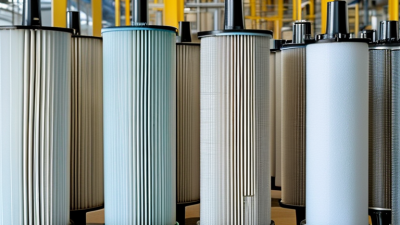
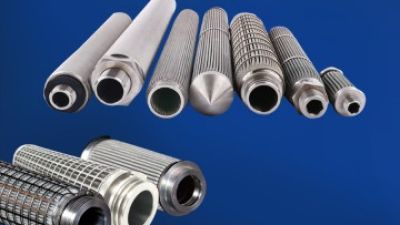
Stainless steel filter cartridges manufactured in China are built for industrial applications where ordinary filtration media may struggle. Their high-quality stainless steel construction provides a stable, fixed-pore structure that supports reliable separation of particles from aggressive fluids and gases. This design helps maintain consistent filtration accuracy while resisting deformation, clogging-related stress, and mechanical damage in demanding operating environments.
Engineered for extreme temperatures and high-pressure systems, these cartridges offer dependable performance across chemical processing, energy production, water treatment, and other heavy-duty industries. The seamless integrated structure improves mechanical strength and minimizes weak points, while the corrosion-resistant stainless steel surface helps protect the filter against harsh chemicals, moisture, and corrosive process media.
These durable cartridges are also suitable for repeated backwashing, chemical cleaning, and regeneration cycles, helping extend service life and reduce maintenance frequency. Their cleanable design allows operators to restore filtration performance without frequent replacement, supporting more efficient and economical operations. With strong resistance to thermal stress, pressure fluctuations, and aggressive working conditions, stainless steel filter cartridges provide a practical solution for continuous filtration in challenging industrial systems.
Replace it according to liters used, not the calendar alone. Count drinking, cooking, and kettle water. A busy kitchen may reach capacity quickly. Hard water can shorten filter life.
Slower flow often signals clogging. Cloudy water or an unusual taste also deserves attention. Orange dust near the tap may indicate sediment. The calendar can mislead.
Check the size, connection type, filtration rating, and rated capacity. Similar-looking filters may still leak or restrict flow. Fit matters.
Yes. Sediment filters catch sand and rust. Carbon filters reduce chlorine, odors, and unpleasant tastes. Membranes handle dissolved substances when pressure and flow are suitable.
No. Washing may damage the filter media and create hygiene risks. Replace disposable cartridges as instructed. Do not improvise here.
Include cartridges, delivery, tools, electricity, and service visits. A cheaper filter may need four yearly replacements instead of two. Calculate annual cost, not purchase price. My cheaper choice created extra work.
A basic test can reveal hardness, metals, or microbial concerns. Private wells deserve extra attention. An accredited laboratory provides stronger evidence than vague claims.
Wash your hands and inspect seals for cracks. Clean the housing with approved materials. Keep fingers away from filter surfaces. Small details matter.
Ask for help when fittings leak or pressure changes unexpectedly. A constant drain sound may indicate a tired filter or another fault. Guessing can worsen the problem.
Choosing the best Water Purifier Filter starts with understanding your household’s water quality and specific filtration needs. Consider whether you need to reduce sediment, unpleasant odors, chlorine, heavy metals, microorganisms, or other contaminants. Then compare the main filter types, such as sediment, activated carbon, membrane, and ultraviolet systems, based on their strengths, limitations, and suitability for your water source. Check verified contaminant-removal performance and relevant safety certifications rather than relying only on general claims.
You should also match the filter’s capacity and flow rate to your household’s daily water consumption, ensuring it can provide enough clean water without unnecessary delays. Evaluate replacement intervals, purchase costs, maintenance requirements, and the availability of replacement components before making a decision. Finally, confirm that the filter is compatible with your existing purifier system, installation space, and water pressure. A suitable choice should provide effective filtration, reliable performance, manageable upkeep, and reasonable long-term value.