Leave Your Message
0%

Picking out the best China-based Ro Membrane Filter supplier isn’t just about scanning price lists and calling it a day. You really gotta think about whether the filter matches your water quality, flow needs, pressure, and what you’re actually trying to achieve with it. This guide is here to help you cut through the sales talk and focus on real evidence—things like manufacturing experience, technical know-how, quality checks, and how reliable they are after the sale.

A serious supplier should be upfront with specifications, test conditions, what materials they use, and how to replace the membrane. Don’t be shy about asking for rejection rates, operating pressure ranges, temperature limits, and compatible housings. Seeing factory audits, testing samples, and clear batch records tells you way more than a fancy sales pitch. And don’t forget to check the packaging too—damaged caps or blurry labels can lead to installation headaches or shorter lifespan. An experienced supplier should also explain cleaning routines and give realistic service intervals. Watch out for generic claims—they often don’t tell the whole story. The actual performance depends a lot on your feedwater and system setup.

Even the most seasoned buyers tend to slip up sometimes. We often get caught up on the unit price and forget to peek at things like technical support, documentation, or how consistent delivery is. When comparing options, consider the total cost of ownership, warranty details, how fast they respond, and references from real users. It’s a good idea to order a small batch if you can—then actually test it under similar conditions to what you’ll be working with. Remember, the cheapest option isn’t always the best. The real winner is the one that’s honest about what it can and can’t do, and supports your decision with solid records. Taking this approach will help you find a dependable Ro Membrane Filter and put together a safer, more efficient water treatment system overall.
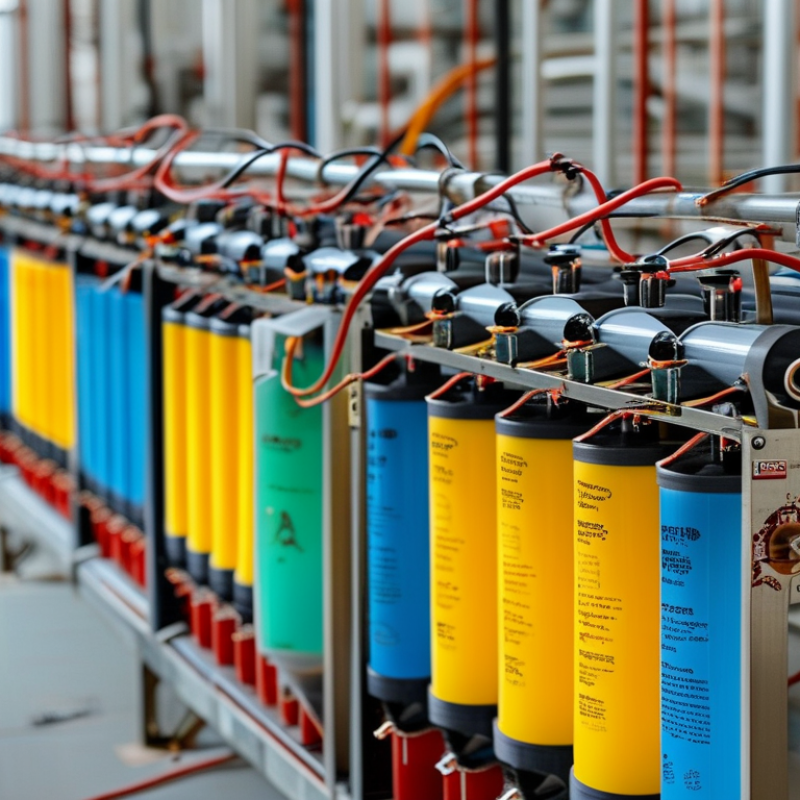
China Best RO Membrane Filter Supplier How to Choose?

What Is an RO Membrane Filter and Why Does Supplier Choice Matter?

An RO membrane filter is a pressure-driven barrier used to remove dissolved salts, metals, microorganisms, and many small contaminants from water. Feed water passes through a semi-permeable membrane, while concentrated impurities leave through a separate reject stream. The process needs pressure, stable flow, and suitable pretreatment. Without sediment and carbon protection, membrane surfaces can foul quickly.

Supplier choice matters because membrane performance depends on more than the product sheet. A qualified supplier should provide tested rejection rates, recommended operating pressure, temperature limits, recovery guidance, and compatibility data. These details help engineers match the membrane with well water, municipal water, or industrial feed water. Reliable suppliers also explain cleaning intervals and replacement indicators. Their technical support should be practical, not vague.

Look closely at documentation. Ask for batch traceability, inspection records, warranty conditions, and realistic service-life estimates. A supplier that only promises high purity may be overlooking energy use and wastewater volume. That is a warning sign. In field evaluations, small details often decide results, such as housing fit, seal quality, and pretreatment design. Even experienced buyers can choose poorly when they compare price alone. No selection is perfect. Water chemistry can change during the year, and operating data may reveal problems after installation. A dependable supplier accepts these uncertainties and helps adjust the system instead of hiding them.

Which RO Membrane Specifications Match Your Water Treatment Needs?

Choosing a China best RO membrane filter supplier starts with matching specifications to your water, not selecting the lowest price. A Membrane Water Filter should suit feed TDS, temperature, pressure, and daily capacity. Household systems commonly use compact elements, while commercial units need larger membranes and stronger housings. Check salt rejection, permeate flow, operating pressure, and recovery rate together. A high flow rating may drop sharply when water is cold or heavily mineralized.

Tips: Test your source water before ordering. Request a current datasheet, batch information, and performance data under stated conditions. Confirm chlorine protection, pH limits, and replacement availability. Polyamide membranes usually need effective pretreatment because chlorine can damage them. Ask whether the supplier can provide samples for pilot testing. Small tests prevent expensive surprises.

In practical installations, fouling often causes more trouble than the membrane specification itself. Sediment, iron, oil, and biological growth can reduce output within weeks. I have seen systems fail because operators ignored pretreatment and blamed the membrane. That judgment was too simple. Compare actual feed analysis with the supplier’s recommended design range. Look for traceable quality records, inspection procedures, and clear warranty terms. Independent laboratory results are useful, but field data is more convincing. Also check the element’s dimensions carefully; a small size mismatch can create leakage or poor sealing. Performance claims should include temperature, pressure, and test solution details. Otherwise, the numbers may look better than real operation.

China Best RO Membrane Filter Supplier: How to Choose?

Which RO Membrane Specifications Match Your Water Treatment Needs?

The chart compares representative nominal permeate capacities for commonly used reverse osmosis membrane formats. Ratings are typically measured with standard test water at approximately 25°C and 150 psi; actual output depends on feed-water temperature, pressure, salinity, recovery rate, fouling, and pretreatment quality. Select a membrane according to required flow, available operating pressure, and water chemistry rather than capacity alone.

How to Evaluate RO Membrane Quality, Materials, and Performance

Choosing the best RO membrane filter supplier requires more than comparing prices. Start by examining membrane quality and material structure. Most modern RO elements use a thin-film composite polyamide layer, supported by polysulfone and polyester. Each layer affects strength, flow, and chemical tolerance. Ask for material specifications, batch records, and independent test reports.

Performance must be tested under defined conditions. Check salt rejection, permeate flow, operating pressure, temperature, and feed-water chemistry. A membrane showing 99% rejection in a laboratory may perform differently with high hardness or chlorine exposure. Request test data from several production batches. Do not rely on one impressive chart. Field experience matters. Monitor pressure drop, conductivity, and flow during actual operation. Small changes often reveal fouling early.

The supplier should explain cleaning limits and storage requirements clearly. Polyamide membranes can be damaged by oxidants, so pretreatment needs careful control. A Pleated Membrane Filter may protect the RO element from suspended particles, but it cannot replace proper carbon filtration or water testing. We once focused too heavily on initial flow and missed long-term stability. That mistake still influences our evaluation process. Reliable suppliers welcome technical questions, provide traceability, and admit performance limits instead of making perfect claims.

China Best RO Membrane Filter Supplier How to Choose? - How to Evaluate RO Membrane Quality, Materials, and Performance
Evaluation Dimension What to Check Typical Industry Benchmark Why It Matters Recommended Verification Priority
Membrane Material Active membrane layer and support structure Thin-film composite polyamide is the standard material for most modern brackish-water RO applications. Material selection affects salt rejection, chemical tolerance, operating pressure, and service life. Request the technical datasheet, material declaration, and application limitations. High
Salt Rejection Percentage of dissolved salts removed under defined test conditions Approximately 96%–99.8% for many commercial brackish-water RO elements, depending on model and test conditions. Higher rejection generally produces better permeate quality and reduces the load on downstream treatment. Compare initial and stabilized rejection values using the same feed-water temperature, pressure, recovery, and TDS. High
Permeate Flow Product-water output at a specified pressure and temperature Often rated in gallons per day or cubic meters per day; values vary significantly by membrane area and operating conditions. Flow capacity determines the number of elements required and the overall system size. Check the rated flow together with test pressure, feed TDS, temperature, recovery, and membrane area. High
Operating Pressure Pressure needed to achieve the rated performance Brackish-water RO commonly operates at roughly 10–30 bar; seawater RO normally requires substantially higher pressure. Pressure affects pump selection, energy consumption, permeate flow, and equipment cost. Confirm the recommended operating range, maximum pressure, and pressure-drop limits. High
Feed-Water Compatibility Suitability for municipal water, well water, surface water, or seawater A membrane should be selected for the specific feed-water type rather than by nominal size alone. Different feed waters contain different levels of salts, hardness, silica, organics, iron, and microorganisms. Match the membrane datasheet with a recent laboratory analysis of the intended feed water. High
Temperature Range Permitted feed-water temperature and temperature-correction requirements Many polyamide RO membranes are designed for feed water up to approximately 45°C, subject to the manufacturer’s specification. Water temperature strongly influences permeate flow; warmer water usually increases flow, while colder water decreases it. Use temperature-corrected performance data and avoid exceeding the stated maximum temperature. High
pH Tolerance Allowed pH range during continuous operation and cleaning The operating pH range is commonly narrower than the cleaning pH range; exact limits depend on membrane construction. Incorrect pH can reduce rejection, accelerate membrane degradation, or limit cleaning effectiveness. Review separate operating and cleaning pH limits in the technical documentation. High
Chlorine Resistance Ability to tolerate free chlorine or other oxidants Conventional aromatic polyamide membranes are generally sensitive to free chlorine and require effective dechlorination. Oxidant exposure can permanently damage the active layer and cause a rapid loss of salt rejection. Install and monitor activated carbon or a suitable dechlorination process; verify residual chlorine before the membrane. High
Fouling Resistance Resistance to organic, biological, colloidal, and particulate fouling No RO membrane is fouling-proof; fouling-control performance depends on feed quality, pretreatment, flux, and cleaning. Fouling increases pressure drop, reduces flow, raises energy use, and shortens operating life. Check feed SDI or equivalent fouling indicators and review the required pretreatment configuration. High
Feed Spacer Design Spacer thickness and channel configuration inside the membrane element Common commercial feed spacers are approximately 28–34 mil, with the exact design varying by application. Spacer geometry affects turbulence, fouling tendency, pressure drop, and cleaning performance. Compare spacer specifications with the feed-water fouling potential and system flow requirements. Medium
Element Configuration Membrane element dimensions, active area, and connection format Standard industrial elements commonly use 8-inch or 4-inch nominal diameters and compatible vessel connections. Correct dimensions ensure proper installation, sealing, hydraulic distribution, and replacement compatibility. Verify element length, diameter, active area, brine-seal direction, interconnector, and end adapters. High
Permeate Quality Expected permeate TDS or conductivity after stabilization Permeate quality depends on feed TDS, temperature, recovery, pressure, membrane age, and system design. Permeate quality must match the requirements of drinking water, boiler feed, process water, or other end uses. Measure feed and permeate conductivity and calculate salt passage under controlled conditions. High
Recovery Rate Percentage of feed water converted to permeate Single-pass brackish-water systems often operate around 50%–85% recovery, depending on water chemistry and system design. Excessive recovery increases concentration polarization and scaling risk. Confirm recovery limits using projected concentrate chemistry, scaling calculations, and system design software. High
Scaling Control Compatibility with calcium carbonate, sulfate, silica, and other scale risks Antiscalant dosing, softening, pH adjustment, or other pretreatment may be required depending on feed chemistry. Scaling can cause irreversible flow loss, higher pressure requirements, and frequent chemical cleaning. Review a complete water analysis and perform a scaling projection before selecting the membrane. High
Cleaning Compatibility Permitted cleaning chemicals, concentrations, temperature, and contact time Cleaning procedures vary by foulant; alkaline cleaning is commonly used for organic or biological fouling, while acidic cleaning targets many mineral deposits. Proper cleaning restores performance without damaging the polyamide layer or support materials. Request cleaning instructions and confirm compatibility with the proposed cleaning chemicals. High
Performance Stability Consistency of flow and rejection over time Performance should be evaluated after initial stabilization and tracked using normalized permeate flow and salt passage. Stable performance is more meaningful than a high initial result obtained under favorable test conditions. Review long-term operating records, normalized data, and cleaning frequency from comparable applications. High
Quality Control Manufacturing inspection, testing, and batch traceability A reliable supplier should provide batch identification, test records, dimensional checks, and documented quality procedures. Traceability makes it easier to identify production variation and resolve warranty or performance issues. Ask for a certificate of analysis, batch number, inspection report, and documented sampling method. High
Certification and Compliance Standards relevant to the intended water application Certification requirements depend on the market and end use; drinking-water applications may require applicable sanitary or material-safety approvals. Compliance supports regulatory acceptance and reduces risk in potable-water or sensitive industrial applications. Verify the certificate scope, validity, product model, and manufacturing site rather than relying on a general claim. Medium
Total Cost of Ownership Purchase price, energy, pretreatment, cleaning, replacement, and water recovery costs The lowest purchase price does not necessarily provide the lowest lifecycle cost. A membrane with suitable rejection, lower pressure demand, stable flow, and longer service life may reduce total operating cost. Compare suppliers using the same feed-water quality, production target, recovery, energy price, and replacement assumptions. High
Note: Performance ranges are general industry references. Actual results depend on feed-water chemistry, temperature, pressure, recovery, pretreatment, membrane age, and system configuration. Always use the supplier’s current technical datasheet and validate performance under site-specific conditions.

What Manufacturing Standards Should a Reliable Supplier Meet?

China Best RO Membrane Filter Supplier: How to Choose?

A reliable RO membrane supplier should meet clear manufacturing standards, not only offer attractive prices. Look for an ISO 9001-based quality system with documented procedures. Production areas should control temperature, humidity, dust, and chemical exposure. These details affect membrane performance.

Every batch needs traceable records, from raw film and components to final inspection. Ask for salt rejection, permeate flow, operating pressure, and chemical compatibility data. Test instruments must be calibrated and regularly verified. A trustworthy supplier should provide batch reports, certificates of analysis, and retained samples. Independent testing can also confirm internal results. Experience matters here. A factory may claim strict control, but its records reveal daily discipline.

Tips: Request a sample inspection report before ordering. Check whether the report includes test conditions and acceptance limits. Visit the facility when possible. Observe cleaning routines, labeling, storage racks, and worker procedures. Do not judge quality from a polished showroom.

Standards alone are not enough. A certificate can look convincing, yet weak process control may remain unnoticed. I have learned that small details, such as sealed packaging and clear lot codes, often prevent larger problems. No factory is perfect. However, a dependable supplier should acknowledge deviations, investigate their causes, and document corrective action. Review warranty terms, technical support, and replacement procedures before signing a purchase agreement. This is where reliability becomes visible.

How to Compare Supplier Pricing, Capacity, and Delivery Terms

China Best RO Membrane Filter Supplier How to Choose?

Price should be compared by usable output, not by unit cost alone. Ask suppliers to quote the Membrane Filter Cartridge with housing, testing, packaging, and replacement parts listed separately. A low price can hide weaker materials or shorter service life. Request a sample, material specification, pressure range, and recent quality inspection records. Check whether the quoted price remains valid after your required quantity changes.

Capacity needs practical verification. Ask for monthly production capacity, current order volume, and a realistic schedule for your model. A factory may claim high output, yet your order could wait behind larger contracts. Review process controls, membrane testing, and traceability for each batch. Photos help, but production records are stronger evidence. I once focused too heavily on factory size. That was not enough.

Delivery terms can affect the final cost more than expected. Compare lead time, minimum order quantity, packing method, shipping responsibility, and payment stages. Confirm whether delivery time starts after payment, drawing approval, or sample confirmation. Request a written plan with inspection dates and shipment milestones. Keep a small time buffer for port delays or rework. Suppliers offering the fastest promise may not be the safest choice. A careful comparison should leave fewer surprises.

Which Technical Support and After-Sales Services Should You Expect?

Choosing a China RO membrane filter supplier involves more than comparing prices. The real test begins after the shipment reaches your plant. Expect engineers to review feed-water analysis, flow rate, pressure, temperature, and recovery targets. A reliable team should explain pretreatment needs, membrane loading, and cleaning intervals in practical terms. Ask for a signed datasheet, installation drawing, test conditions, and operating limits. This evidence shows whether advice comes from testing or sales language.

For a Cartridge Membrane Filter or RO element, support should include commissioning guidance. Technicians can check housing alignment, O-ring seating, flushing time, and initial conductivity. Remote video support helps when a pressure gauge rises unexpectedly. Still, remote diagnosis has limits. A capable supplier should request photographs, logged readings, water reports, and cleaning history before suggesting a remedy. Look for clear response times, named contacts, multilingual manuals, spare seals, and accessible replacement parts. Warranty terms should state coverage, exclusions, testing methods, and replacement procedures.

After-sales service should not end when the warranty begins. It should cover root-cause analysis, performance tracking, and operator training. Ask how the supplier handles declining salt rejection, damaged seals, or unstable permeate flow. Good advice identifies fouling, scaling, poor pretreatment, or incorrect pressure. Suppliers should provide cleaning procedures with chemical compatibility and disposal guidance. No supplier gets every diagnosis right remotely. Simple sampling errors can imitate membrane failure. Transparent records and follow-up calls help correct those mistakes.

Industrial Filtration Market Insights from MarketsandMarkets: Horizontal Pleated Filters for 3M 740B, 7000 & 720

Recent industrial filtration market reports project global demand to grow at roughly 6% annually through 2030, driven by stricter emissions standards, water-reuse programs, and expanding process industries. This growth is increasing demand for filter cartridges that combine dependable particle removal with longer operating cycles. For systems using the 740B, 7000, and 720 configurations, this horizontal pleated filter cartridge provides a practical compatible replacement for industrial filtration operations.

Its horizontal pleating structure creates a larger effective filtration area within a compact cartridge, supporting higher flow rates and more stable pressure behavior than conventional vertical pleated designs. The expanded media surface helps distribute solids more evenly, which can reduce premature loading and extend service intervals. These characteristics are valuable in applications requiring continuous production, consistent effluent quality, and reduced maintenance downtime.

Manufactured in China and supplied directly from the factory, the cartridge is produced for reliable performance and consistent dimensional compatibility. Industrial users can select suitable media and filtration ratings according to process conditions, including liquid clarity requirements, flow demand, and contaminant concentration. Direct factory supply also supports dependable sourcing, technical coordination, and cost control for equipment operators and filtration distributors.

FAQS

: What does an RO membrane filter remove?

: It can reduce dissolved salts, metals, microorganisms, and many tiny contaminants. Pressure is essential.

Why does pretreatment matter for an RO membrane?

Sediment and carbon filtration help protect the membrane from particles, chlorine, and rapid fouling. Clean water helps.

What information should a supplier provide?

Request rejection rate, permeate flow, pressure limits, temperature limits, recovery guidance, and compatibility data. Avoid vague promises.

How can buyers evaluate membrane performance fairly?

Compare results tested under the same pressure, temperature, flow, and feed-water chemistry. One chart is not enough.

Which materials are commonly used in RO membrane elements?

Many elements use a thin-film composite polyamide layer with polysulfone and polyester supports. Each layer affects durability and flow.

Can a pleated filter replace carbon filtration?

No. A pleated filter can capture suspended particles, but it cannot replace carbon protection or water testing.

What manufacturing records should a reliable supplier maintain?

Look for batch codes, raw-material records, inspection reports, calibrated instruments, certificates, and retained samples. Records reveal habits.

What warning signs suggest a supplier may be unreliable?

Be cautious when the supplier discusses purity but ignores energy use, wastewater, cleaning, or replacement timing. Cheap can become expensive.

How should buyers inspect a manufacturing facility?

Observe storage racks, sealed packaging, lot labels, cleaning routines, and worker procedures. A polished showroom proves little.

Is any RO membrane selection completely risk-free?

No. Water chemistry can change seasonally, and field data may expose unexpected fouling. We once trusted initial flow too much.

Conclusion

Choosing the right Ro Membrane Filter supplier is essential for achieving stable water quality, efficient operation, and long-term cost control. A suitable supplier should understand your water source, treatment capacity, required recovery rate, operating pressure, and target contaminants before recommending membrane specifications. Important factors include membrane material, salt rejection, flow rate, fouling resistance, service life, and compatibility with existing equipment. Clear technical data and consistent performance are more valuable than relying on price alone.

A reliable supplier should also demonstrate controlled manufacturing processes, quality inspection procedures, and compliance with recognized industry standards. When comparing suppliers, consider production capacity, lead times, packaging, pricing transparency, and delivery terms. Strong technical support is equally important, including installation guidance, operating recommendations, troubleshooting, replacement planning, and responsive after-sales service. By evaluating product quality, manufacturing reliability, commercial terms, and ongoing support together, buyers can select a supplier that provides dependable filtration performance and sustainable value for their water treatment project.
Liam

Liam

Liam is a dedicated marketing professional with a deep expertise in the filtration industry, specializing in high-quality water treatment solutions. With years of experience, he has developed a comprehensive understanding of our core products, which include high-flow filter cartridges, RO......
Previous 2026 Best Reverse Osmosis Filter Options for Your Needs?