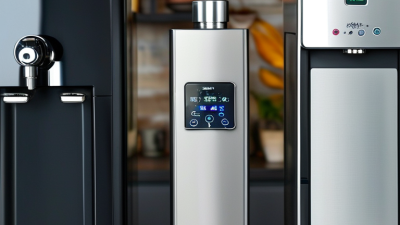
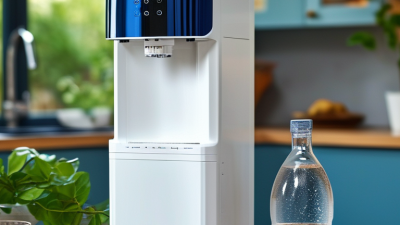
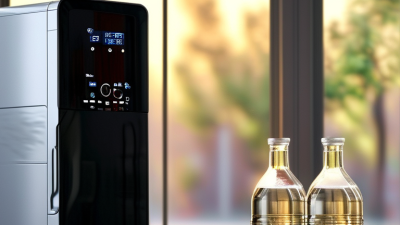
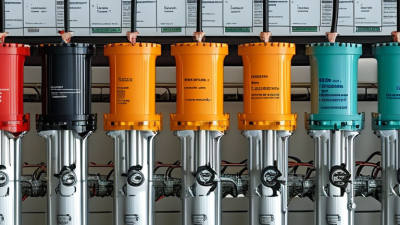
With folks getting more and more worried about water quality these days, a lot of people are on the lookout for solid solutions to ensure their drinking water is safe. One of the top picks out there is the Reverse Osmosis (RO) filter—it's pretty popular for getting rid of impurities and nasty contaminants. Did you know that according to the Water Quality Association, almost 20% of households in the U.S. have some sort of water treatment system in place? And among these, RO filters really stand out because they’re so effective.
Interestingly, the global market for reverse osmosis is expected to hit around $10 billion by 2026—talk about growth! That just shows how important these systems are becoming in everyday water purification. That said, they’re not perfect. Some people worry about the water waste during filtration or losing minerals that are actually good for you. It’s definitely something to think about before making a purchase.
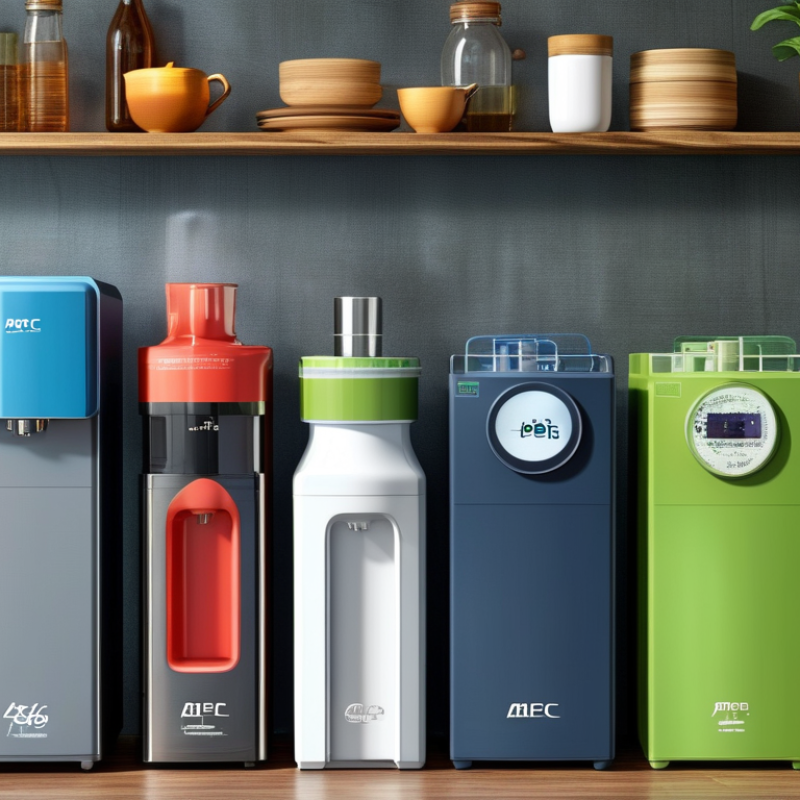
Popular brands like APEC and iSpring have a range of models, each with their own features tailored to different homes and needs. When you're looking into your options, it helps to consider things like how easy it is to install, how long the filters last, and your local water quality. Finding the right balance between effectiveness, cost, and convenience is key to picking the best reverse osmosis system for your home.
2026 Trends in Reverse Osmosis Filter Technology and Design
The latest trends in reverse osmosis filter technology focus on efficiency and sustainability. Filters are becoming more compact, allowing for easier installation in various spaces. Design innovations include intuitive interfaces for monitoring filter performance. The integration of smart technology is also gaining traction, enabling users to track water quality through apps.
Sustainability is at the forefront. Many systems now utilize environmentally friendly materials. This shift is vital as concerns over plastic waste persist. Water waste reduction is another primary goal. Improved membranes are engineered to minimize the amount of water that gets wasted during filtration. User feedback indicates that filters offering easy maintenance and replacement parts are becoming essential features.
Despite advancements, challenges remain. Not all models meet the unique needs of every household. Some consumers report difficulties in understanding the installation process. Effective education on proper usage is necessary. The balance between cutting-edge technology and consumer needs is still a work in progress, especially with options like Pentair Reverse Osmosis Water Filter aiming to cater to diverse requirements.
Understanding the Importance of Water Purity in Home Filtration Systems
Water purity plays a vital role in our daily lives. Contaminated water can lead to serious health issues over time. Proper filtration systems are essential for ensuring that the water we consume is safe and clean. Many people overlook this aspect. They might think tap water is sufficient. However, contaminants can remain even after treatment.
Using reverse osmosis (RO) systems offers a solution. These systems effectively remove various impurities, including heavy metals and microorganisms. They provide a higher level of purification compared to standard filters. Many families today are opting for RO systems due to their reliability and efficiency. Yet, the choice of an appropriate model can be daunting.
There is no one-size-fits-all solution. Factors like household size and water quality impact the decision. Some may find they need extensive filtration for their specific needs. Others may need a simpler setup. The right system can ensure your water quality remains high. Finding balance between cost and effectiveness is part of the journey. It requires research and trial and error to determine what fits best for your lifestyle.
Key Features to Consider When Selecting a Reverse Osmosis Filter
When choosing a reverse osmosis filter, you'll want to focus on several key features. Begin by evaluating the filtration stages. A unit with multiple stages enhances the purification process. Typically, these systems include pre-filters, post-filters, and the RO membrane itself. Each stage contributes to removing different contaminants, ensuring cleaner water.
Consider the water output and recovery rate. Some systems may waste more water during filtration. Ideally, look for a model that balances efficiency and effectiveness. Check the certifications as well; units certified by reputable organizations guarantee that they meet safety and performance standards.
Maintenance aspects are also crucial. Some filters require more frequent changes, which can increase costs over time. Regular upkeep ensures optimal performance. Take the time to familiarize yourself with the product manual, and don’t overlook user reviews. They often highlight both strengths and weaknesses that you might not find elsewhere.
Take a moment to reflect on your specific needs. Each household has different water quality and consumption levels. Assess your situation and adapt accordingly. Invest in a filter that meets your family's requirements rather than settling for just any model. The right choice can lead to significant improvements in your water quality, enhancing your overall health and wellbeing.
Comparative Analysis: Top Reverse Osmosis Filters of 2026
As households increasingly prioritize clean drinking water, reverse osmosis (RO) systems stand out. A recent report by the Water Quality Association indicates that over 60% of U.S. homes have some form of water filtration. In 2026, the choice of RO filters expands significantly. A fundamental feature is the membrane quality. High-quality membranes remove over 95% of common contaminants like lead and chlorine, enhancing water safety.
Consider the efficiency of the system. Current data suggests that market-leading RO systems deliver efficiency rates exceeding 90%. However, some models waste more water during filtration. This wasted water could be as high as 4 gallons for every gallon produced. Identifying models that optimize water use is crucial for eco-conscious consumers.
When selecting a filter, think about maintenance. Some systems have filters that require replacement every 6 months, while others last up to 2 years. Regular maintenance is vital to ensure effective filtration. Scrutinize the maintenance costs involved; they can impact the overall value of your investment. Don't overlook the installation complexity; some systems may require professional help, increasing overall costs.
Cost-Benefit Analysis of Investing in Reverse Osmosis Filters
Investing in a reverse osmosis filter offers several benefits for your home. These filters effectively reduce contaminants like chlorine, lead, and harmful microorganisms. The investment may seem high upfront, but the long-term savings on bottled water and health benefits can outweigh the initial cost. Some homeowners notice a difference in taste and quality almost immediately.
When considering a
Reverse Osmosis Water Filter Under Sink, think about the maintenance costs.
Filters need regular replacement, which can add up. Many users underestimate this ongoing expense. It's essential to weigh the convenience of having clean water at home against potential long-term costs.
Evaluate your water quality before purchasing. Test results can guide your choice, helping you select the right system. Not every filter is suitable for every issue. This misalignment can lead to dissatisfaction and wasted money.
Keeping detailed records of water quality can help track improvements over time.
Environmental Impact of Reverse Osmosis Systems in Water Purification
Reverse osmosis systems are widely used for water purification. However, their environmental impact is often overlooked. The process requires significant energy and can produce waste. For every gallon of purified water, several gallons are wasted during filtration. This poses concerns regarding water conservation, especially in arid regions.
Many people assume reverse osmosis is the best solution without considering alternatives. While these systems effectively remove contaminants, their reliance on energy and water raises questions. Incorporating water-saving technologies can improve their sustainability. Investing in high-efficiency Reverse Osmosis Water Filter Cartridges might help reduce waste.
An informed choice begins with understanding your needs. Research supports the idea that smaller, localized systems may offer less environmental strain. Look for products that minimize waste and enhance water savings. If you opt for reverse osmosis, use water efficiently. Reuse wastewater for irrigation or other non-potable applications. While reverse osmosis systems can purify water, reflecting on their broader impact is essential for responsible consumption.
2026 Best Reverse Osmosis Filter Options for Your Needs
User Reviews and Ratings: Insights into the Best RO Filter Options
User reviews and ratings play a significant role in guiding consumers toward the best reverse osmosis filter options. A report by the Water Quality Association indicates that over 60% of users favor systems based on feedback and ratings. This highlights the importance of peer experiences when choosing water filtration methods. Many customers cite improved water quality as their primary motivation for investing in these systems. They appreciate how reverse osmosis filters can reduce contaminants, including lead and nitrates, providing a sense of safety.
However, user experiences can be mixed. Some reviews mention difficulties in installation or maintenance. While many find the Reverse Osmosis Water Filter Countertop convenient, a portion of users reports complications in the setup process. The need for regular filter changes adds to ongoing costs. Reports show that nearly 30% of purchasers are unaware of full maintenance commitments before buying. This reflects a need for better communication from sellers regarding system upkeep.
Additionally, the variance in performance across models is noteworthy. Not every reverse osmosis system performs equally in removing specific contaminants. Some user reviews highlight dissatisfaction when a product did not meet their expectations. Many recognized the need to research thoroughly before purchasing. Understanding the nuances in filtration capabilities is crucial to making an informed decision.
Exploring the Market Dynamics and Growth Potential of Customizable Pleated Offshore Filter Cartridges in China
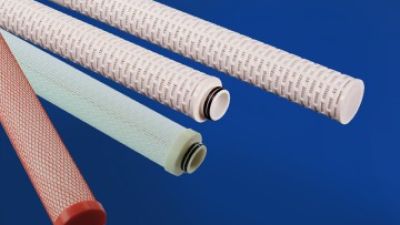
The market for customizable pleated offshore filter cartridges in China is experiencing significant growth, driven by the increasing demand for advanced filtration solutions in offshore injection water treatment systems. These specialized filter cartridges feature an optimized pleated structure, which enhances the effective filtration area, thereby reducing the number of cartridges required for efficient operation. This not only leads to cost savings but also improves the overall performance of the filtration system, making it a preferred choice for many operators in the industry.
Our factory, located in China, produces high-quality offshore pleated filter cartridges that can be tailored to meet diverse operating requirements. We offer two structural variants: the mesh-wrapped type, which provides flexibility and enhanced filtration capabilities, and the rigid support cage type, designed for durability and reliability under varying pressure conditions. These products are manufactured to rigorous standards, ensuring they deliver superior efficiency and meet the specific needs of our clients. As the demand for effective water treatment solutions continues to rise, the adoption of customizable filter cartridges is poised to expand further, reflecting the dynamic market landscape in China.
FAQS
: Focus on filtration stages, water output, and recovery rate. These factors enhance purification.
More stages can remove different contaminants, leading to cleaner water for your home.
Check the system's efficiency rate and water waste during filtration. Aim for balance.
Certified units meet safety and performance standards, ensuring reliable water purification.
Some filters need frequent changes. Regular upkeep avoids costly inefficiencies over time.
Replacement intervals vary. Some need changes every 6 months, while others last 2 years.
Reviews show strengths and weaknesses. They provide insights not available in manuals.
Assess your household's water quality and consumption. Make choices based on specific needs.
Some systems may need professional installation, which could increase costs. Plan accordingly.
Neglecting upkeep can lead to poor filtration and health risks. Regular attention is essential.
Conclusion
The article "2026 Best Reverse Osmosis Filter Options for Your Needs?" explores the latest trends in reverse osmosis filter technology, emphasizing the significance of water purity in home filtration systems. With an increasing focus on health and safety, understanding key features such as purification efficiency and filtration speed becomes essential for consumers.
Additionally, the article provides a comparative analysis of the top reverse osmosis filters available in 2026, highlighting their strengths and weaknesses based on user reviews and ratings. Furthermore, it discusses the cost-benefit analysis of investing in these systems, considering both economic advantages and environmental impacts. Ultimately, the comprehensive insights presented aim to help homeowners make informed decisions regarding their water purification needs, ensuring they select the best reverse osmosis filter for their households.